
Water Leak Detectors Matched to Rooms and Alert Needs 2026
The right water leak detector depends on whether you need remote notifications or a simple local siren. These six options cover compact spaces, wide properties, and whole-home monitoring.

We independently review everything we recommend. When you buy through our links, we may earn a commission. Learn more ›

225 articles published
The right water leak detector depends on whether you need remote notifications or a simple local siren. These six options cover compact spaces, wide properties, and whole-home monitoring.

Replacing existing alarms often leaves homeowners searching for quick-connect harnesses that eliminate messy electrical work. Learn how plug adapters bridge old wiring to modern units while staying compliant with fire safety codes.

Dual sensor smoke alarms protect homes against fast-flaming and slow-smoldering fires using combined sensing technology. Choosing between hardwired interconnectivity and sealed 10-year batteries depends on your home wiring.
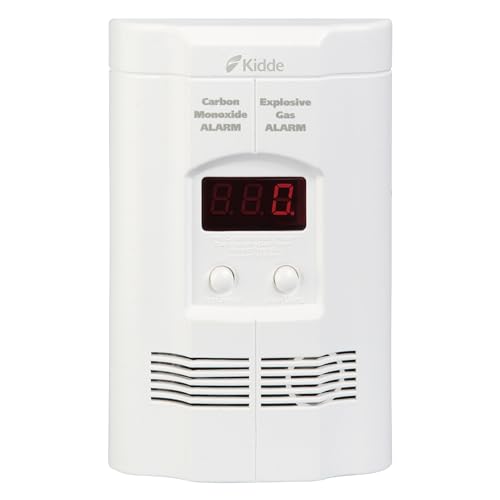
True multi-hazard safety requires understanding how smoke, carbon monoxide, and explosive gases behave differently in room air. Combining ceiling-mounted smoke protection with low-outlet fuel gas monitoring ensures every threat triggers an early alert.

Modern multi-hazard alarms combine smoke and carbon monoxide detection into a single ceiling fixture. Finding the right unit depends on existing wiring and whether your home requires whole-house interconnectivity.

Selecting fire alarms for older adults requires prioritizing vocal warnings and sealed batteries over complex maintenance. These models ensure clear hazard alerts and prevent dangerous ladder falls during routine operation.

Children often sleep through high-pitched alarms, making voice alerts and interconnection essential safety factors. Choosing the right bedroom detector protects deep sleepers while eliminating nighttime false alerts.

Choosing the right bedroom smoke alarm protects sleeping family members from fast-spreading synthetic fires and toxic gases. Compare key differences between interconnected systems, sealed ten-year batteries, and nuisance-reduction features to find the right setup.

Dryer fires present unique risks, but airborne lint and cycle steam frequently trigger false alarms in utility spaces. Choosing the proper sensor technology ensures fast warnings without nuisance chirping every laundry day.
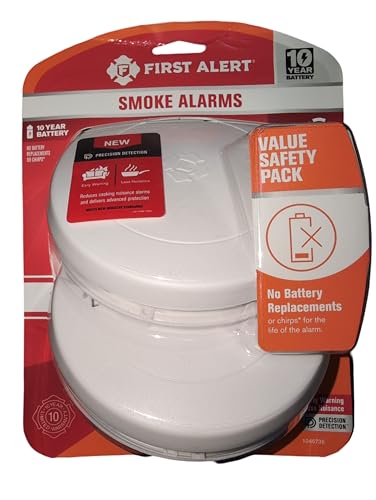
Hallways act as the primary escape path outside sleeping areas, making rapid smoke detection critical. Choosing between hardwired interconnects and sealed ten-year wireless units determines how quickly the entire floor receives an alert.