
Finding the best 4-in-1 smoke detectors means confronting air density physics before trusting a single device. Smoke and carbon monoxide require high ceiling positions, whereas combustible fuel gases demand height-specific placement based on weight. Choosing effective protection means balancing multi-hazard coverage across proper room elevations.
Pros
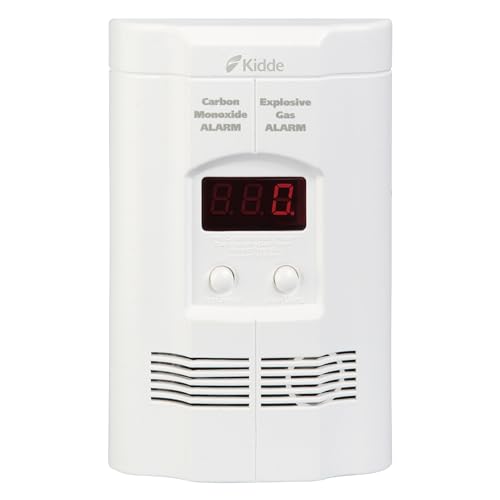
- Digital LED display shows CO levels and gas alerts
- Detects carbon monoxide, natural gas, and propane
- Standard 120V plug-in installation
- Peak level memory logs recent detection events
- 9-volt battery backup during power outages
Cons
- Requires periodic 9-volt battery replacements
- Ties up a standard 120V wall outlet

Pros
- Ten-year sealed lithium battery requires no swaps
- Dual photoelectric and electrochemical sensors
- LCD display shows real-time CO levels
- Certified to UL 217 and UL 2034 standards
Cons
- Standalone unit lacks wireless interconnection
- No Wi-Fi or base station connectivity
Pros
- Plug-in design fits standard 120V outlets
- Detects carbon monoxide plus explosive gas
- Equipped with 9-volt battery backup
- Digital display includes peak level memory
Cons
- Ties up a standard wall outlet
- Relies on replaceable 9-volt backup batteries

Pros
- Photoelectric smoke and electrochemical CO sensors
- Sealed 10-year lithium battery, no replacements needed
- Informative LCD shows live CO levels in PPM
- Certified to UL 217 and UL 2034 standards
Cons
- No wireless interconnect to trigger other alarms
- Lacks Wi-Fi connectivity and base station support

Pros
- Dual carbon monoxide and combustible gas detection
- Direct 2.4 GHz Wi-Fi connection without a hub
- Adjustable alarm thresholds with built-in self-test
- Audible and visual warning alarm indicators
- Supports double-sided tape or hanging installation
Cons
- Exclusively tied to the Tuya app platform
- Supports 2.4 GHz Wi-Fi bands only
Pros
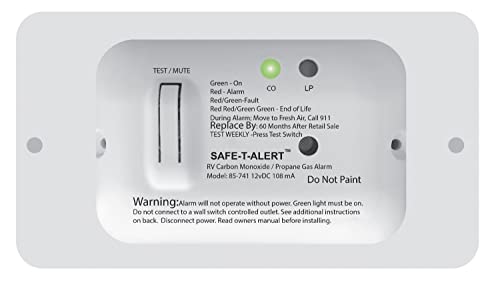
- Dual propane and carbon monoxide gas alarm
- Direct 12-volt power, RV electrical compatible
- Slim, low-profile white housing
- Mounting trim ring included in box
Cons
- Requires 12-volt DC supply, no household AC support
- No smoke or fire detection capability
Why Single Devices Cannot Cover Every Threat
Smoke rises quickly with heated air, requiring detectors to sit high on ceilings. Carbon monoxide mixes evenly throughout the room at approximately the same density as ambient air. In contrast, natural gas rises toward the ceiling, while propane settles along the floor.
A single detector mounted on the ceiling will not sense propane pooling near baseboards. Similarly, an alarm plugged into a low outlet cannot warn sleeping occupants of rising smoke plumes. Reliable protection across the Home Safety & Detection category relies on matching sensors to their physical threat zones.
Sensor Types and Response Reliability
Modern alarms pair photoelectric smoke chambers with electrochemical carbon monoxide sensors to prevent nuisance chirps from cooking steam. Certified units built to UL 217 and UL 2034 standards provide reliable coverage across bedrooms and common hallways.
Combustible gas detection requires catalytic sensors that monitor lower explosive limits for methane and propane. These fuel sensors draw steady power, which is why multi-gas devices typically plug into standard outlets rather than relying solely on compact batteries.
Height Danger: Installing a propane detector near the ceiling renders it ineffective during slow fuel leaks. Propane sinks to the floor, requiring low outlet mounting to sense pooled gas before ignition.
| Hazard Type | Sensor Height | Primary Target |
|---|---|---|
| Smoke | Ceiling or high wall | Smoldering fires |
| Carbon Monoxide | Eye level or ceiling | Incomplete combustion |
| Explosive Gas | Near floor or ceiling | Propane or methane |
Power Demands and Outage Protection
Ceiling smoke alarms run for a decade on internal lithium batteries because optical sensors use minimal electricity. Fuel gas sensors actively heat test elements to measure flammable vapors, consuming far more power each hour.
Because of this power draw, gas alarms run on household current with a 9-volt backup for electrical blackouts. Data from the National Fire Protection Association indicates that heating equipment failures during severe weather outages create heightened carbon monoxide hazards.
Expert Examined
From Jenna Castellano

I frequently see homeowners plug an explosive gas alarm behind a couch or low dresser where natural airflow is blocked. Obstructing the sensor vents prevents ambient gas from reaching the internal chamber until the surrounding room is already hazardous.
Read more about Jenna CastellanoKitchen Clearance: Keep all smoke and gas sensors at least ten feet away from cooking appliances. This buffer prevents steam and regular cooking grease from fouling sensitive sensing chambers.
Whole-Home Alert Coverage
Standalone alarms emit an 85-decibel siren that alerts nearby bedrooms during an emergency. Homes with detached garages or finished basements often integrate localized detectors with broader Home Security Systems to broadcast audible alerts across every level.
Connecting safety hardware to your wireless network lets smart units send push notifications when danger occurs while you are away. Reviewing connected hardware on our Blog helps property owners link environmental alarms into coordinated safety routines.
Matching the Alarm Setup to Your Home
For bedrooms and common hallways, I suggest the X-Sense Smoke Detector and Carbon Monoxide. Its sealed ten-year lithium battery eliminates annual replacements, while dual photoelectric and electrochemical sensors satisfy UL 217 and UL 2034 standards. The digital screen displays real-time carbon monoxide levels alongside battery status, giving you precise readings rather than ambiguous chirps.
If your home uses natural gas heating or propane appliances, I would put the Kidde Carbon Monoxide + Explosive Gas near utility areas. It plugs directly into standard wall outlets and includes a 9-volt battery backup for storms. The digital LED display alternates between carbon monoxide parts per million and an explicit gas warning, while peak level memory records past events.
For recreational vehicles or cabins using direct-current wiring, I point buyers toward the Safe-T-Alert 85 Series Carbon Monoxide Propane Gas. Built for mobile applications, its compact 12-volt chassis mounts close to the floor to detect heavy sinking propane alongside toxic furnace exhaust.
The Bottom Line
The single mistake buyers make is assuming one compact device can monitor every fire and fuel hazard from one location. Smoke rises while heavier gases sink, making single-point installations incapable of providing complete coverage.
If you only do one thing today, install certified smoke and carbon monoxide combination alarms on your ceilings first, then place dedicated gas detectors near fuel appliances. Separating those monitoring layers guarantees early alerts before hazardous vapors accumulate.
FAQs
Can a single detector monitor smoke, carbon monoxide, natural gas, and propane?
While multi-gas sensors exist, physics prevents one location from monitoring all four hazards effectively. Smoke rises to the ceiling, natural gas collects near rafters, carbon monoxide distributes evenly, and propane pools along the floor. Proper home protection requires mounting distinct alarms at the specific heights where each hazard accumulates.
Where should I mount a natural gas versus a propane detector?
Natural gas is lighter than air, so its detectors must be mounted high on the wall, within twelve inches of the ceiling. Propane is heavier than air and sinks immediately, meaning propane monitors must sit low on the wall, roughly six to twelve inches above the floor near fuel appliances.
Do multi-hazard gas and smoke alarms require battery changes?
Ceiling smoke and carbon monoxide combination units typically use ten-year sealed lithium batteries that require zero changes. Explosive gas alarms require continuous wall power due to high-current sensors, but they utilize a 9-volt backup battery that should be replaced annually to survive blackouts.
What certifications should I look for on combination alarms?
Ensure your smoke alarms carry UL 217 certification and carbon monoxide detectors carry UL 2034 certification. Fuel gas monitors should comply with UL 1484 standards for residential explosive gas detection. Reputable third-party certification labels guarantee that the internal sensors respond before atmospheric gas concentrations reach hazardous or explosive thresholds.
Sources
- National Fire Protection Association www.nfpa.org
- U.S. Consumer Product Safety Commission www.cpsc.gov
- UL Solutions Safety Standards www.ul.com