
Installing the best smoke detectors for hallway corridors protects the main escape path outside bedroom doors before smoke reaches sleeping occupants. The primary decision separates standalone sealed-battery units from interconnected alarms that trigger across the entire house. Correct sensor selection prevents steam from nearby bathrooms from causing nuisance midnight alerts.
Pros
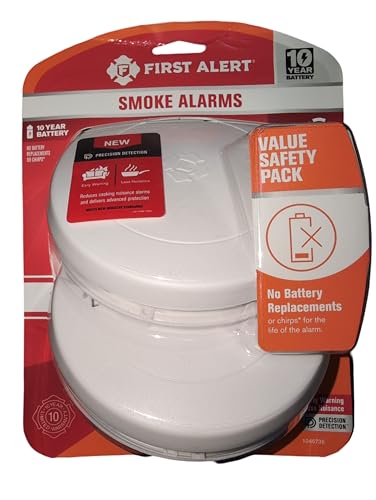
- Sealed 10-year lithium battery eliminates replacements
- Photoelectric sensor reduces cooking nuisance alarms
- Twist-and-lock bracket enables fast ceiling installation
- Two-pack provides protection for multiple rooms
Cons
- Non-replaceable battery requires full unit replacement
- Lacks integrated carbon monoxide sensing

Pros
- Dual-beam photoelectric sensor minimizes nuisance cooking alarms
- Certified to UL 217 10th and UL 2034 5th standards
- Sealed 10-year lithium battery eliminates annual swaps
- Combines photoelectric smoke and carbon monoxide detection
Cons
- No wireless interconnection between separate units
- Sealed battery cannot be replaced after expiration

Pros
- Wireless whole-home interconnect without running new wires
- Sealed 10-year battery eliminates annual replacements
- Dual photoelectric smoke and electrochemical CO sensors
- Certified to both UL 217 and UL 2034 standards
- Integrated LCD screen displays detected CO levels
Cons
- Lacks Wi-Fi connectivity for smartphone alerts
- Cannot integrate into existing hardwired systems

Pros
- Hardwired interconnection links up to 12 units
- Photoelectric sensor reduces nuisance cooking alarms
- Ten-hour silence mode pauses nighttime low-battery chirps
- UL217 listed with a 10-year product lifespan
Cons
- Requires existing line wiring for installation
- Standard 9V backup battery needs periodic replacement
- Does not include carbon monoxide detection

Pros
- Photoelectric sensor targets slow smoldering fires
- Loud alarm horn exceeds 85 decibels
- Bulk 12-pack covers entire households
- Single button handles testing and silencing
Cons
- Standard 9V batteries require annual replacement
- Manufacturer instructions require weekly testing

Pros
- Sealed 10-year lithium battery eliminates annual swaps
- Dual photoelectric and electrochemical sensing
- Wireless interconnect covers up to 18 alarms over 820 feet
- Meets UL 217 and UL 2034 safety standards
Cons
- No Wi-Fi connectivity for app alerts
- Battery operation only with no hardwiring option
Hallway Placement and Airflow Dynamics
Hallways function as central transit zones where smoke gathers before entering bedrooms. Standards from the NFPA require an alarm outside every sleeping area, positioned within twenty-one feet of any bedroom door. Ceiling placement should sit at least four inches away from side walls to avoid dead air spaces where air remains stagnant.
Proximity to bathroom doors presents a major hurdle for hallway detectors. High-humidity steam can easily confuse older ionization chambers, leading homeowners to disable critical units. Selecting photoelectric sensors prevents these false alerts while maintaining prompt response times to slow corridor fires.
Bathroom Steam Interference: Never install a hallway smoke alarm within three feet of a bathroom door containing a shower. Trapped humidity triggers nuisance alarms, tempting residents to remove power supplies.
Interconnection Versus Standalone Coverage
A closed bedroom door can reduce the volume of a hallway alarm by up to twenty decibels. Wireless and hardwired interconnection links every device, ensuring a basement hazard sounds the hallway alarm directly outside bedrooms. Integrating units into your home safety & detection plan guarantees alerts reach everyone promptly.
Hardwired systems rely on a shared traveler wire, whereas wireless interconnect units use radio frequency signals without extra wiring. Homes lacking existing conduit benefit from battery-powered wireless models that link with a single pairing button.
| Alarm System Type | Interconnect Method | Ideal Hallway Setup |
|---|---|---|
| Hardwired Alarms | Physical 3-Wire Cable | Existing Wired Homes |
| Wireless RF Alarms | Radio Frequency Link | Retrofit Multi-Story |
| Standalone Units | Individual Siren Only | Small Single-Story |
Consistent power during utility blackouts is another factor. Hardwired installations rely on internal battery backups, while sealed lithium alarms operate independently for a decade without electrical junction boxes.
Expert Examined
From Jenna Castellano

I frequently notice homeowners mounting alarms right in the corner where the wall meets the ceiling. That junction creates a pocket of dead air where smoke rolls past without entering the sensor. Always keep hallway detectors mounted at least four inches down from the ceiling or centered overhead.
Read more about Jenna CastellanoSensor Types and Dual Detection Standards
Hallway units frequently encounter mixed smoke signatures, from kitchen fumes drifting down the passage to electrical wiring heating inside walls. Dual-beam photoelectric sensors analyze particle density accurately, distinguishing harmless cooking haze from real fire threats. You can read more about residential protection on our blog.
Combining carbon monoxide detection into hallway smoke hardware eliminates the visual clutter of multiple ceiling fixtures. Because carbon monoxide mixes evenly into ambient air, corridor units provide rapid warning before gas builds up near bedrooms. Check our review of the best home security systems to evaluate integrated household monitoring.
Check Sensor Certifications: Look for units certified to UL 217 10th Edition standards. These revised requirements mandate resistance to common cooking smoke while speeding up detection for modern polyurethane foam fires.
Selecting the Right Detector for Your Hallway
For multi-level layouts where bedrooms sit far from utility rooms, I would point you to the X-Sense Interconnected Smoke and CO Detector. Its wireless interconnection triggers every linked unit across your home simultaneously, while the combination of a photoelectric smoke sensor, electrochemical carbon monoxide sensor, and sealed 10-year battery eliminates ladder climbs for maintenance.
If your corridor already has intact wiring boxes linked on a circuit, I suggest installing the SITERWELL Smoke Detector Photoelectric Smoke Alarm. It connects up to 12 alarms through physical wiring, includes a 9V battery backup for power failures, and provides a ten-hour do-not-disturb mode to mute low-voltage chirps until morning.
For simple ranch homes or single-floor rentals needing straightforward smoke coverage, I would put the First Alert 10 Year Photoelectric Smoke Detector 2 outside the bedroom wing. Its twist-and-lock mounting base allows fast installation, and the sealed lithium battery delivers a decade of continuous monitoring without replacement hassle.
The Bottom Line
The single error most buyers make is mounting a standalone alarm in the hallway without interconnecting it to the rest of the house. A closed bedroom door muffles distant alarms, meaning a fire in a living room or basement might go unnoticed until heavy smoke fills the hallway escape path.
If you do only one thing, map the distance between your bedroom doors and order interconnected alarms that cover the passage within code requirements. Mount each unit on the ceiling away from wall junctions, ensuring clear acoustic paths and prompt detection when seconds count.
FAQs
Where is the best place to put a smoke detector in a hallway?
Mount the smoke detector on the ceiling in the center of the hallway, at least four inches away from side walls. Ensure the alarm sits within twenty-one feet of all bedroom doors to meet residential safety guidelines. Keep it at least three feet away from bathroom entrances to prevent steam-induced false triggers.
Should hallway smoke detectors be interconnected?
Yes, interconnected hallway alarms significantly improve escape times. When a detector in a remote room or basement senses smoke, it activates the hallway alarm outside your bedroom. This linked audio alert ensures you wake up before flames or toxic gases block your primary exit route.
Is photoelectric or ionization better for a hallway?
Photoelectric sensors are vastly superior for hallways. They detect smoldering fires common in residential areas quickly while remaining resistant to nuisance alarms from nearby cooking or bathroom steam. Ionization alarms in hallways frequently trigger false sirens and are often disabled by frustrated homeowners.
Do hallway smoke alarms need carbon monoxide sensors?
Combining carbon monoxide sensing into your hallway alarm is highly recommended if you have fuel-burning appliances or an attached garage. Carbon monoxide disperses evenly through ambient air, and a corridor alarm ensures sleeping residents receive early warning before toxic gas builds up inside bedrooms.
Sources
- National Fire Protection Association (NFPA) www.nfpa.org
- U.S. Fire Administration www.usfa.fema.gov
- UL Solutions Safety Standards www.ul.com