
Outdoor Water Leak Detector Choices for Homes in 2026
Outdoor water alarms need to handle moisture, changing water levels, and limited access to power. These six options separate everyday leak sensing from sump, septic, and high-water monitoring.

We independently review everything we recommend. When you buy through our links, we may earn a commission. Learn more ›

243 articles published
Outdoor water alarms need to handle moisture, changing water levels, and limited access to power. These six options separate everyday leak sensing from sump, septic, and high-water monitoring.

Water heater leak detectors range from simple local alarms to automatic shutoff systems. The right choice depends on whether you need an audible warning, remote alerts, or water isolation during an unattended leak.

Automatic shutoff systems differ mainly in sensor coverage, plumbing fit, and how they behave during an outage. These six options help match protection to a washing machine, utility room, water heater, or whole-home main line.
Automatic shutoff systems can stop a small leak before it becomes major water damage. Compare sensor coverage, valve fit, connectivity, and backup power before choosing a model.
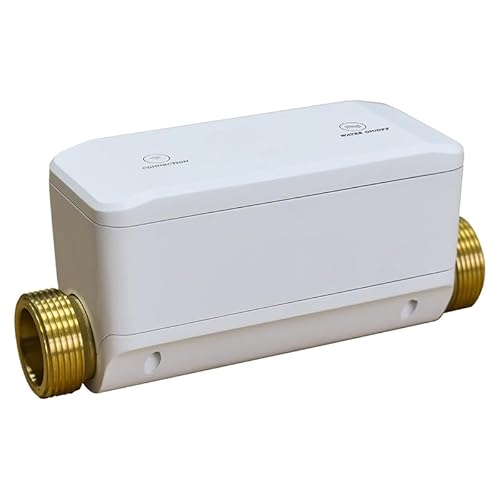
Inline leak protection ranges from simple audible sensors to automatic valves that close the main supply. The right choice depends on whether you need room-level warning, appliance protection, or whole-home control.

The right leak detector depends on whether you need an alert, an automatic shutoff, or both. Compare hub requirements, sensor coverage, valve compatibility, and outage behavior before choosing a system.
The right whole-home leak detector depends on how much of your plumbing you want to monitor and whether remote alerts matter. Compare wired sensors, wireless coverage, automatic shutoff, and power requirements before choosing a system.

Unconditioned attic spaces destroy standard smoke sensors through extreme temperature swings and heavy dust. Selecting the right heat detector or sealed unit ensures early warning without constant false alarms.

Standard smoke alarms fail in unconditioned garages due to exhaust fumes and dust. Learn whether a dedicated heat detector or a sealed combo unit suits your setup.

Airborne particles in workshops and garages frequently trigger nuisance alarms in standard optical detectors. Dual-wavelength sensors and smart calibration offer reliable fire protection without false alarms.