
Shopping for the best water leak detectors for water heater means deciding whether an alarm is enough or the water supply must close automatically. Homeowners with finished basements, rental properties, or frequently empty homes need a different safeguard than someone who only wants a loud local warning.

Pros
- Automatic water shutoff when leaks are detected
- Real-time alerts and remote valve control
- 3/4-inch NPT 150PSI brass full-bore valve
- AC power with four-AA battery backup
Cons
- Four AA backup batteries not included
- Requires GeniLife App for remote control
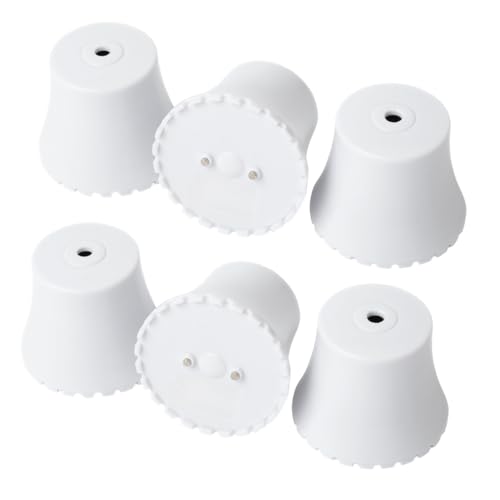
Pros
- No setup, tools, app, or battery installation
- Up to 95 dB alarm at leak source
- Compact size fits tight locations
- Reusable after drying the sensing prongs
Cons
- Factory sealed battery is not user replaceable
- Best for nearby leaks, not whole floor coverage

Pros
- 100dB adjustable alarm
- IP66 waterproof construction
- Up to five-year battery life
- No hub or Wi-Fi required
Cons
- Uses two AAA batteries
- Single-pack coverage requires multiple units

Pros
- Loud 120dB alarm
- Bulk 10-pack for multiple locations
- 37.8-inch cable reaches tight spaces
- Reusable 24K-plated sensor
Cons
- 9V alkaline battery not included
- Alarm continues until water dries or shut off

Pros
- Loud 120dB alarm for immediate alerts
- 37.8-inch cable reaches difficult corners
- Reusable sensor board after drying
- Three-pack covers multiple leak-prone areas
Cons
- 9V alkaline battery not included
- Included cable is under four feet

Pros
- Automatic water shut-off
- Visual and audible leak alarms
- 15-minute installation claim
- BMS relay for alarm notification
- Includes mounting hardware and adhesive pad
Cons
- 3/4-inch Press x Press compatibility required
- Point-of-use coverage, not whole-home shut-off
Alarm Only or Automatic Shutoff
A standalone sensor detects water and alerts anyone close enough to hear it. That design is simple and useful under a water heater pan, but it does not stop the flow. The Topvico units use a remote detection board connected by a cable, which can help when the alarm must stay on a wall while the sensor reaches a low point.
An automatic shutoff kit adds a motorized valve to the response. Zuomeng combines leak detection, an alarm, app alerts, and remote valve control, while FloodStop is designed to close the water supply and leave other household fixtures operational. For a property that may sit empty, shutting the supply is the more meaningful distinction.
Pro Tip: Place the sensor at the lowest practical point in the water heater pan, not on a raised ledge where a small leak can pass underneath.
Match the Sensor to the Installation
Measure the route from the likely leak point before choosing a unit. A 37.8-inch cable gives Topvico sensors flexibility around a heater or sump area, and the cable can be extended with standard electrical wire according to the product details. Compact Flood Buzz and VETOUCH units are easier to place in tight spaces when the alarm body can sit directly beside the source.
Do not assume a sensor under the heater protects every nearby connection. Check the drain pan, supply fittings, discharge piping, and the floor around the tank. The article on where household leaks usually begin can help you identify additional sensor locations.
Before You Mount It: Never place a detector where routine condensation, cleaning water, or a damp concrete floor will create repeated alerts. Also keep the shutoff valve accessible, because an automatic closure does not replace safe inspection of the heater and plumbing.
| Device type | Key distinction | Best placement |
|---|---|---|
| Local alarm | Sound at source | Heater pan or floor |
| Cable sensor | Remote sensing board | Hard-to-reach low point |
| Shutoff kit | Closes water supply | Main heater connections |
Power, Alerts, and Maintenance
Power design matters near a water heater. Zuomeng uses AC power with battery backup, although its four AA batteries are not included. VETOUCH uses two AAA batteries and lists up to five years of battery life, while Topvico uses a 9V alkaline battery that is not included and lists standby operation for up to two years.
Flood Buzz takes a different approach with a factory-sealed battery and a replace-by date on each housing. Its alarm reaches up to 95 dB and can be reused after the prongs are dried. Topvico alarms continue until the water dries or the sensor is turned off, so think about whether someone can reach the unit after an alert.
Expert Examined
From Marcus Bell

I keep sensors slightly away from the heater base when the pan has a known condensation issue. The mistake I see is treating one alarm as complete coverage, so I prefer checking both the pan and the nearby supply connections.
Read more about Marcus BellRemote notifications are useful only when the device has a reliable connection and the app remains configured. For broader emergency planning, review how water sensors shut the water off before assuming every alarm includes a valve.
Which Setup Fits Your Water Heater
I would put the WiFi Water Leak Detector with Automatic Shutoff in a frequently unattended home where remote alerts and automatic closure matter. Its GeniLife App supports real-time leak alerts, remote alarm muting, and valve control, while the AC and battery arrangement adds backup during an outage. The 3/4-inch NPT, 150PSI brass valve is aimed directly at a water heater installation.
I would point you to the FloodStop Water Heater Leak Detector Kit when a point-of-use shutoff with visual and audible alarms is the priority. It is specified for residential and commercial buildings, includes a 3/4-inch press valve, and can connect to building maintenance systems. For a simpler warning without automatic closure, the VETOUCH Water Leak Detector with Loud Alarm is a practical fit beside a heater, especially where a compact IP66 unit, adjustable 100 dB alarm, self-test, and included battery are more useful than app control.
The Bottom Line
The single mistake most buyers make is confusing leak detection with water shutoff. A loud alarm can notify you, but it cannot prevent continuing flow while you are away, and a shutoff system still needs correct placement and accessible plumbing.
If you do only one thing first, inspect the water heater pan and every nearby connection for the lowest likely path. Then choose a local alarm for nearby supervision or an automatic shutoff kit if an unattended leak could spread before anyone responds.
FAQs
Choose a local alarm when someone is usually close enough to respond quickly. Choose an automatic shutoff when the heater is unattended, located above finished space, or presents a substantial flooding risk. A shutoff adds protection that sound alone cannot provide. Place it at the lowest practical point in the drain pan or on the floor where escaping water will collect first. Also consider nearby supply fittings and connections, because one sensor at the tank base may not catch water traveling in another direction. Battery schedules vary by design. VETOUCH lists up to five years with two AAA batteries, Topvico lists up to two years of standby with a 9V alkaline battery, and Flood Buzz uses a sealed battery with a replace-by date. Check the unit’s warning or replacement marking regularly. IP66 describes protection against dust and powerful water jets under specified conditions. It does not mean the detector can be submerged indefinitely or that every installation is suitable outdoors. Placement, battery access, and the manufacturer’s instructions still matter.Should I choose a water alarm or automatic shutoff for a water heater?
Where should a water heater leak sensor be placed?
How often do water leak detector batteries need attention?
What does IP66 mean on a water leak detector?
Sources
- National Fire Protection Association www.nfpa.org
- US Consumer Product Safety Commission www.cpsc.gov
- UL Solutions www.ul.com