
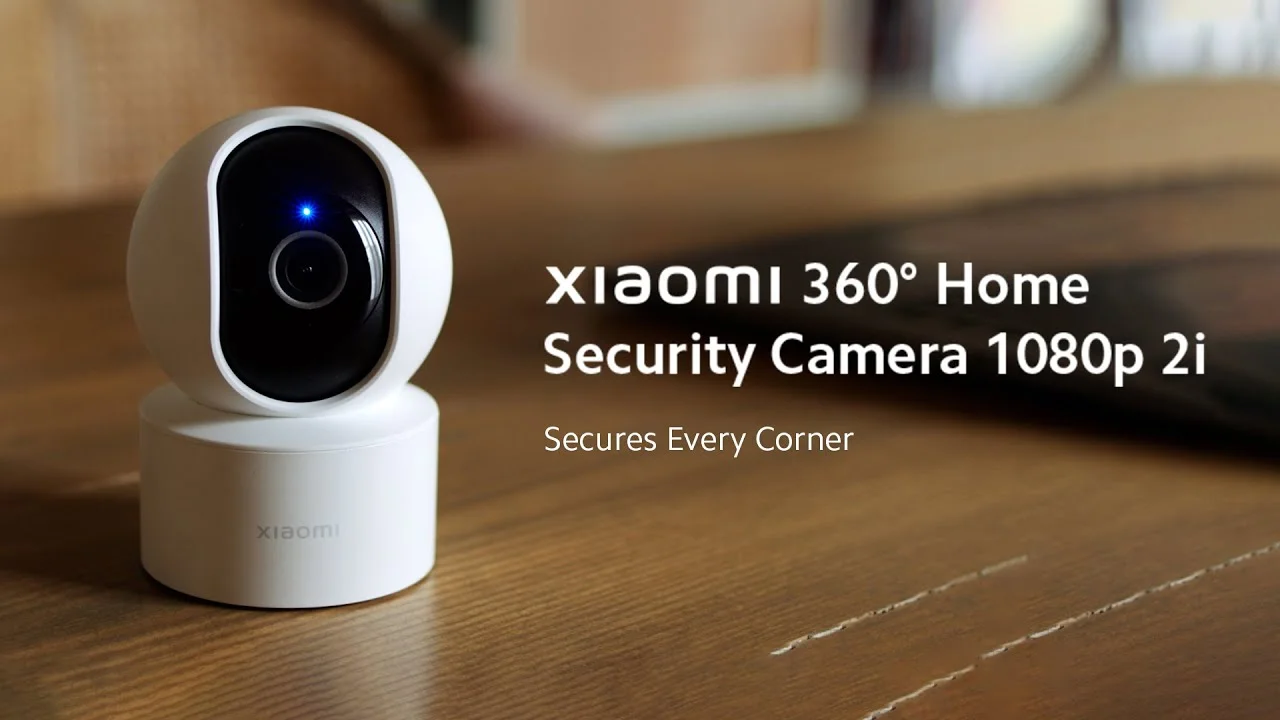
Shopping for the best Xiaomi security cameras starts with one practical split: indoor detail and privacy versus outdoor weather protection and power. Your room, driveway, or porch determines which model makes sense, especially if you want local storage or battery operation.
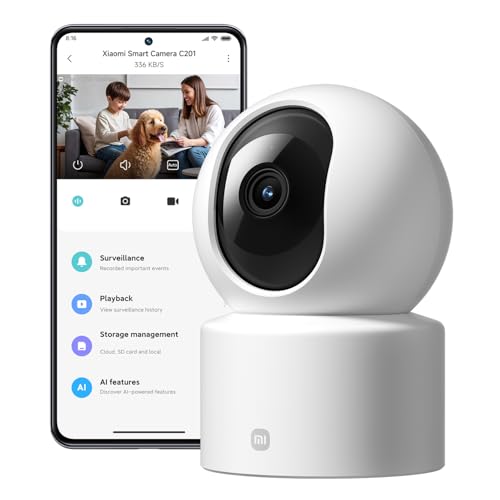
Pros
- Physical lens shield for privacy
- 1080p video with 360-degree coverage
- AI human and pet detection
- Full-color and infrared night vision
Cons
- Indoor use only
- Requires Xiaomi Home app setup

Pros
- 2K/3MP video with full-color night vision
- Physical lens shield for privacy
- Local AI detects people, pets, and baby cries
- 360° horizontal and 107° vertical coverage
Cons
- Indoor use only
- MicroSD card not included

Pros
- 3.5K UHD resolution with full-color night vision
- AI human and pet tracking
- Physical lens shield for privacy
- Dual-band Wi-Fi 6 connectivity
Cons
- Indoor use only
- MicroSD card not included

Pros
- 4MP video with 136° wide view
- Color night vision up to 10 meters
- 10,000mAh battery, up to six months
- IP67 weatherproof outdoor design
Cons
- Optional solar panel sold separately
- Battery life varies with recording frequency

Pros
- 4MP resolution with color night vision
- Local AI human detection and tracking
- IP66 protection for outdoor placement
- MicroSD recording without recurring fees
Cons
- MicroSD card sold separately
- 2.4GHz Wi-Fi only
Match the Camera to Its Location
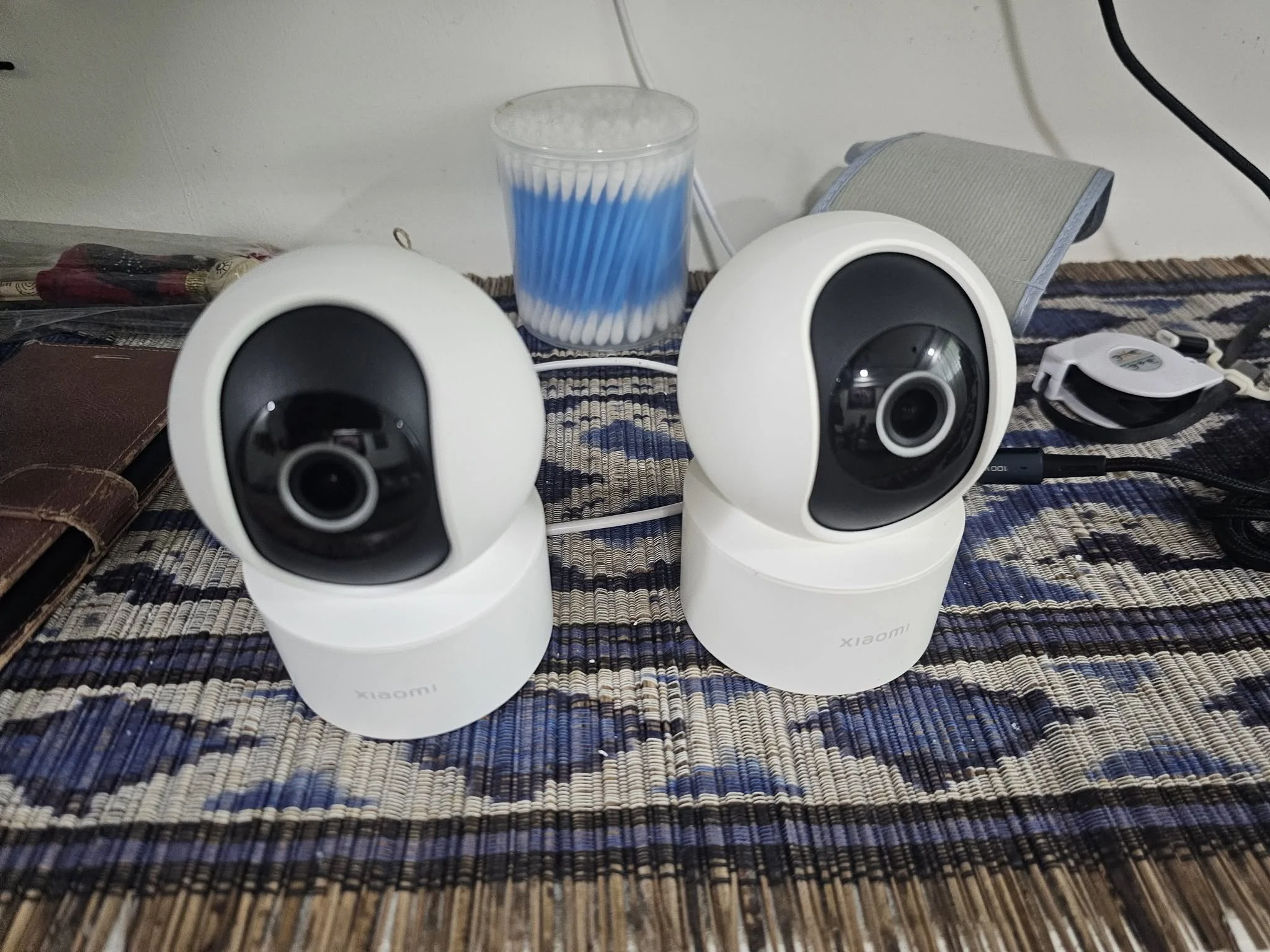
Indoor models are built around a 360-degree view, pan and tilt movement, and a physical lens shield. That shield retracts the lens into the body, so it blocks the view mechanically rather than relying only on an app setting. The C201, C302, and C500 also support two-way audio for checking on family members or pets.
Outdoor coverage requires a different design. The best Wi-Fi safety devices are not automatically suitable for exposed locations, and the same principle applies to cameras. The BW500 carries an IP67 rating and uses a battery, while the CW300 carries IP66 protection and supports either Wi-Fi or wired Ethernet.
Pro Tip: Choose the mounting point before choosing the resolution. A porch camera needs a clear approach angle, while an indoor pan-tilt camera benefits from a central position with fewer obstructions.
Resolution Is Only Part of the Picture
The C201 provides 1080p footage, which can suit a nursery, hallway, or small room. The C302 moves to 2K and adds baby-cry detection, abnormal-sound alerts, custom detection zones, and a virtual fence. The C500 reaches 3.5K with a 6MP sensor, wider vertical movement, and dual-band Wi-Fi 6.
Outdoor cameras trade some indoor pan coverage for a wider fixed scene or weather-ready movement. The BW500 uses a 136-degree view and 2.5K footage, while the CW300 offers 2.5K footage with app-controlled horizontal and vertical pan-tilt. Both provide color night vision, but their storage and power arrangements differ.
| Camera type | Main distinction | Best location |
|---|---|---|
| Indoor C201 | 1080p, privacy shield | Small rooms |
| Indoor C302 | 2K, baby-cry alerts | Nursery or family room |
| Outdoor BW500 | Battery, IP67, 136° | Porch or driveway |
Storage, Connectivity, and Night Coverage
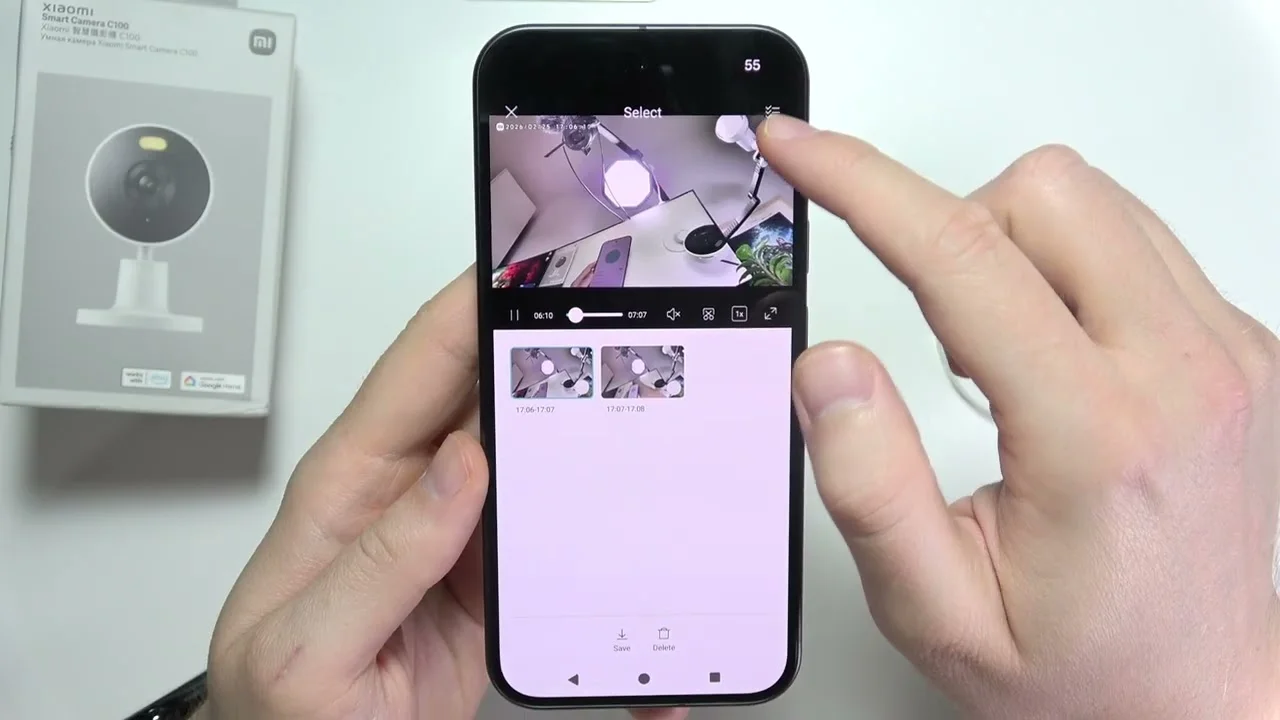
All three indoor cameras support Xiaomi Home setup and voice control through compatible Alexa or Google Assistant devices. The C201 accepts microSD storage or cloud storage, while the C302 and C500 specify microSD support from 8GB to 256GB. The C500 also adds NAS storage and dual-band Wi-Fi 6 for homes with busy wireless networks.
The BW500 includes built-in 8GB storage and can retain up to 40 days of playback under stated conditions, without requiring an SD card for basic monitoring. Its 10000mAh battery is rated for up to six months under limited daily activity, and an optional solar panel can reduce charging interruptions. The CW300 accepts a separate microSD card, cloud storage, or Ethernet alongside 2.4GHz Wi-Fi.
Before You Mount It: Do not treat a battery estimate as a fixed schedule. Frequent motion, cold weather, and repeated recordings can shorten runtime, so keep the camera reachable for charging or choose a wired connection.
Night vision also varies by setting. Indoor cameras use full-color low-light imaging and infrared illumination, while the outdoor models combine white and infrared lights for nighttime color footage. For broader home-safety planning, the smoke detectors for Home Assistant can address a separate risk that camera alerts cannot detect.
Expert Examined
From Ray Okafor

I keep camera placement conservative in busy homes because a wide view can include windows, mirrors, or private areas. The mistake I see is mounting first and adjusting privacy zones later; choose a sightline that needs fewer exclusions from the start.
Read more about Ray OkaforPrivacy Features Need a Clear Plan
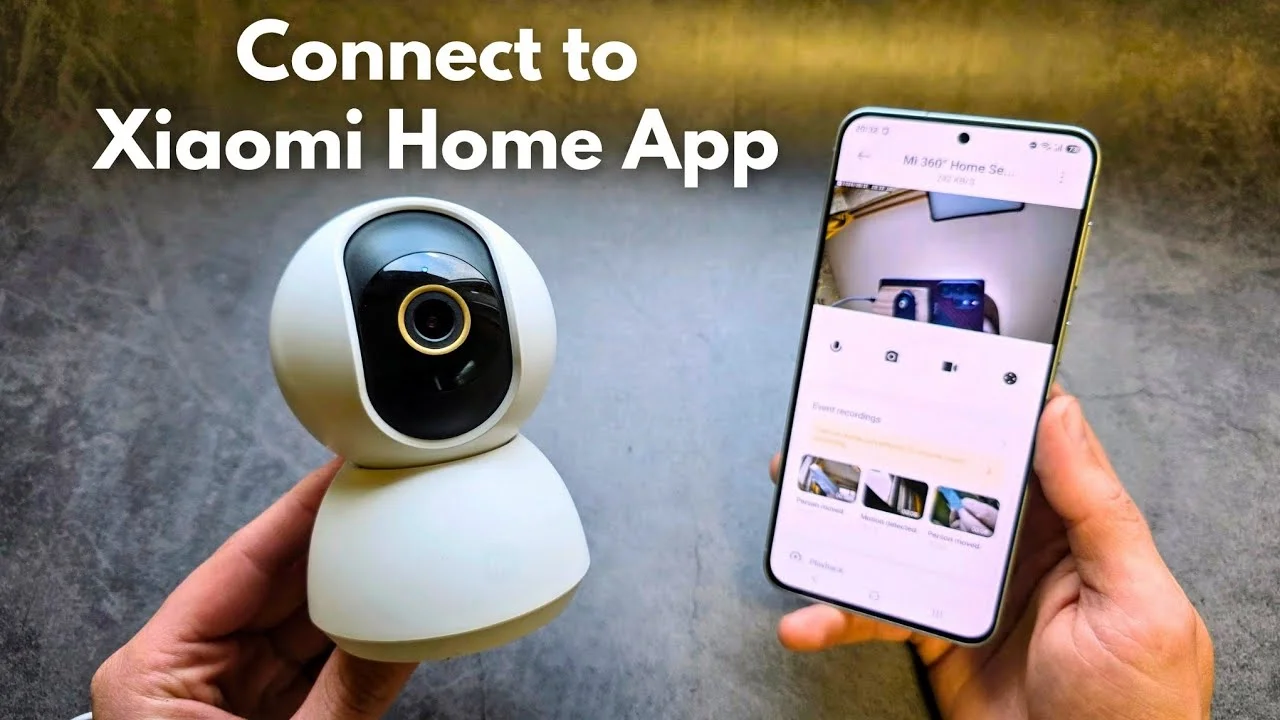
A physical lens shield is the strongest privacy distinction among these indoor choices because the lens retracts into the housing. The C201, C302, and C500 also describe MJA1 security chips and encrypted communication or storage. Local AI processing can help deliver human and pet alerts without making every detection decision remotely.
Outdoor cameras are more exposed to tampering, weather, and changing light. Place them high enough to discourage casual interference, but not so high that battery replacement or maintenance becomes impractical. For additional household planning, the Wi-Fi smoke and carbon monoxide detector options cover hazards that video monitoring may miss.
The U.S. Consumer Product Safety Commission offers broader consumer-safety information, but it does not replace the camera maker’s installation and storage instructions. Keep alerts useful by setting detection zones around the areas that matter rather than monitoring every moving shadow.
Which Xiaomi Camera Fits Your Home
I would point you to the XIAOMI Smart Camera C201 for a smaller indoor room where 1080p, full-color low-light viewing, a physical privacy shield, and pet or human detection cover the essentials. Its Wi-Fi 6 connection and voice-control support make it a sensible fit for an apartment, office, or hallway.
I would choose the XIAOMI Smart Camera C302 for a nursery or family room. Its 2K image, baby-cry detection, abnormal-sound alerts, virtual fence, and custom detection zones give it a more family-focused alert set than the entry indoor model.
For the highest indoor detail, I would put the XIAOMI Smart Camera C500 in a larger room or open living area. Its 3.5K resolution, 6MP sensor, dual-band Wi-Fi 6, NAS option, and 116-degree vertical movement suit buyers who want more image detail and storage flexibility. For an exposed driveway, I would instead choose the BW500 when battery power and IP67 protection matter most.
The Bottom Line
The mistake most buyers make is treating every Xiaomi camera as an interchangeable indoor or outdoor device. The C201, C302, and C500 need an indoor setting, while the BW500 and CW300 are designed for outdoor conditions with weather protection and different power arrangements.
If you only do one thing first, mark the exact viewing area and identify the nearest power or charging access. That single step will narrow the choice between an indoor pan-tilt model, a battery outdoor camera, and an Ethernet-capable outdoor option.
FAQs
The C302 is the most focused nursery option because it includes baby-cry detection, human tracking, pet detection, abnormal-sound alerts, and custom detection zones. Its physical lens shield also lets you block the view when monitoring is not needed. The listed indoor cameras are not described with outdoor weather ratings. Use the BW500 or CW300 for exposed locations because those models specify IP67 or IP66 protection and outdoor-focused features. The BW500 uses a 10000mAh battery and can accept an optional solar panel. The CW300 is described as wireless over 2.4GHz Wi-Fi or wired through Ethernet, so power planning depends on the installation and chosen setup. An IP rating describes protection against solids and water under defined conditions. IP67 and IP66 indicate weather protection, but they do not mean the camera can be placed anywhere without considering mounting, cable entry, exposure, and maintenance.Which Xiaomi camera is best for a nursery?
Can Xiaomi indoor cameras be used outdoors?
Do Xiaomi outdoor cameras need a constant power connection?
What does an IP rating mean for a security camera?
Sources
- U.S. Consumer Product Safety Commission consumer safety information. www.cpsc.gov
- UL Solutions standards and safety information. www.ul.com