
Shopping for the best Wi-Fi thermostats gets easier once you identify the power requirement your HVAC system can support. C-wire needs and smart-home compatibility are the main dividing lines, especially for homeowners who want DIY installation without surprises.
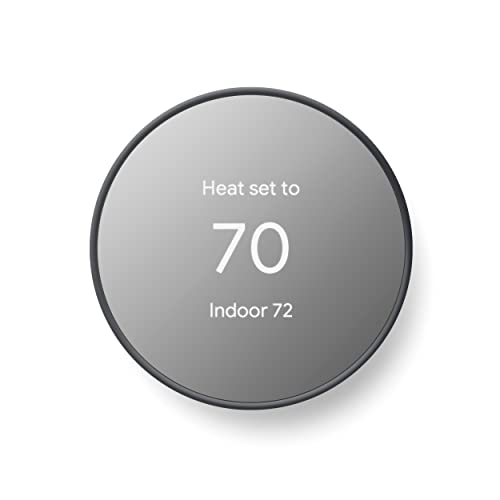
Pros
- ENERGY STAR certified for energy savings
- Remote control from phone, laptop, or tablet
- Programmable schedules in Google Home app
- HVAC monitoring with maintenance alerts
Cons
- C wire may be needed for some systems
- No lock feature for thermostat controls

Pros
- Conventional and heat-pump compatibility
- Matter certified for smart-home integration
- Flexible seven-day scheduling options
- Auto-away and filter reminders
- Indoor humidity display option
Cons
- Requires a 24 VAC C-wire
- Not compatible with 120 to 240V baseboard heat

Pros
- 7-day flexible scheduling
- Geofencing with automatic home and away
- ENERGY STAR certified
- Alexa ready
Cons
- C-wire power adapter required
- Limited with heating-only oil furnaces

Pros
- ENERGY STAR certified
- Common wire not required in most applications
- Alexa compatible with remote access
- Usage reports and maintenance reminders
Cons
- Some applications require a common wire
- HVAC compatibility varies by home

Pros
- Energy Star certified
- Color touchscreen and app control
- Works with Alexa, Google Assistant, and HomeKit
- Compatible with 85% of systems
Cons
- Power Extender Kit sold separately
- SmartSensor sold separately

Pros
- DIY installation with built-in level
- ENERGY STAR certified, saves about 23% on HVAC energy
- Remote control through Android and iOS apps
- Privacy policy excludes selling personal information
Cons
- Some systems require a C-wire or power accessory
- Smart features depend on app and WiFi access
Start With HVAC Compatibility
A thermostat is only a good fit if it matches the equipment behind the wall. The products here cover conventional systems, heat pumps, forced-air equipment, boilers, and other setups, but each model has different limits. Check the manufacturer compatibility information before removing your existing thermostat.
Power is equally important. Google Nest Thermostat – Smart Thermostat for Home and Sensi Smart Thermostat, Wi-Fi, DIY, Alexa can work without a C-wire in most homes, while Honeywell Home T5 Smart Wi-Fi Thermostat and Honeywell Home X2S Smart Wi-Fi Thermostat, White require C-wire power. ecobee Smart Thermostat Essential supports homes without a C-wire through a separately sold Power Extender Kit.
Check Before Wiring: Do not assume that a missing C-wire is harmless for every HVAC configuration. Heating-only, cooling-only, heat-pump, and zone-controlled systems may need a compatible power accessory or a different thermostat choice.
Scheduling and Away Control Matter Most
Everyday savings depend on how the thermostat changes temperature while you are away and when you return. Honeywell Home T5 Smart Wi-Fi Thermostat offers seven-day scheduling, geofencing, auto home and away mode, monthly energy reports, and personalized energy tips.
Google Nest Thermostat – Smart Thermostat for Home creates an energy-efficient schedule in the Google Home app, turns itself down when you leave, and provides Savings Finder suggestions. Sensi Smart Thermostat, Wi-Fi, DIY, Alexa and Sensi Lite Smart Thermostat, WiFi, Alexa, DIY add scheduling, remote access, geofencing, usage reports, equipment alerts, and maintenance reminders.
Smart energy and climate control ideas can help you plan how a thermostat fits into a wider home setup.
| Control style | Power requirement | Useful fit |
|---|---|---|
| App scheduling | C-wire varies | Connected homes |
| Geofencing | C-wire varies | Frequent travelers |
| Auto-away | Model dependent | Variable routines |
Choose the Smart-Home Connections You Need
Platform support can determine whether temperature control feels simple or fragmented. Google Nest Thermostat – Smart Thermostat for Home works with Google Home, Google Assistant, and Matter-certified voice assistants. ecobee Smart Thermostat Essential works with Apple HomeKit, Google Assistant, and Alexa.
Honeywell Home X2S Smart Wi-Fi Thermostat, White is Matter Certified and also supports Amazon Alexa, Google Assistant, and Apple HomeKit. Its app can provide filter reminders, indoor humidity information, flexible scheduling, and auto-away control. Matter support is intended to make device integration across compatible platforms more consistent, while the exact experience still depends on your chosen smart-home system.
For broader home-safety planning, you can also review Wi-Fi smoke and carbon monoxide detectors so climate control and life-safety devices are considered separately.
FYI: ENERGY STAR certification indicates an energy-efficiency qualification, but it does not guarantee identical savings in every home. Your schedule, HVAC equipment, insulation, and household routine affect results.
Installation Details That Affect Daily Use
DIY installation is most approachable when the thermostat includes clear instructions and accommodates the existing wall location. Sensi Smart Thermostat, Wi-Fi, DIY, Alexa and Sensi Lite Smart Thermostat, WiFi, Alexa, DIY include a built-in level and step-by-step app instructions, while Sensi also fits the same space as a traditional thermostat to reduce patching and painting.
Maintenance features are useful after installation. Google Nest Thermostat – Smart Thermostat for Home can monitor HVAC operation and send alerts when something seems wrong, while Sensi models provide equipment alerts, usage reports, and filter reminders. Honeywell Home X2S Smart Wi-Fi Thermostat, White also offers a filter reminder and optional humidity display.
Expert Examined
From Jenna Castellano

I keep the wiring photo and the old thermostat labels together before changing anything. The mistake I see is choosing by app features first, then discovering that the HVAC system needs a C-wire or falls outside the model’s compatibility range.
Read more about Jenna CastellanoFor safety information around household electrical and heating equipment, the US Consumer Product Safety Commission is a useful public resource.
Which Thermostat Fits Your Home
I would point you to Z-Wave home-safety planning separately from thermostat selection, because the thermostat decision should start with HVAC compatibility. For a Google-centered home, I would choose Google Nest Thermostat – Smart Thermostat for Home when remote control, Google Home scheduling, automatic away behavior, HVAC monitoring, and Matter voice support are the priorities.
I would put Sensi Smart Thermostat, Wi-Fi, DIY, Alexa in a home where privacy protection, DIY setup, traditional thermostat dimensions, usage reports, and broad everyday control matter. Its C-wire is not required in most applications, which can simplify replacement planning.
For a lower-cost Honeywell Home option with flexible programming, I would point you to Honeywell Home X2S Smart Wi-Fi Thermostat, White. It supports conventional and heat-pump configurations within its stated limits, works with major platforms through Matter, and adds humidity, filter, auto-away, and display controls. Choose it only after confirming the required C-wire and system compatibility.
The Bottom Line
The single mistake most buyers make is treating Wi-Fi access as proof that a thermostat will work with their HVAC system. C-wire requirements, heat-pump support, heating-only limitations, and platform compatibility deserve attention before appearance or app features.
If you only do one thing first, photograph your current wiring and confirm your HVAC type against the selected model’s compatibility information. That check narrows the choice quickly and helps prevent an installation that needs an unexpected accessory.
FAQs
Start with the equipment type and wiring, then check whether the model supports your conventional system, heat pump, boiler, or other configuration. Confirm C-wire requirements before purchase, since some systems need a compatible power accessory. Not always. Google Nest Thermostat – Smart Thermostat for Home, Sensi Smart Thermostat, Wi-Fi, DIY, Alexa, and Sensi Lite Smart Thermostat, WiFi, Alexa, DIY can work without one in most homes, while some Honeywell Home models require C-wire power. Use the existing thermostat location when it accurately represents the home’s comfort conditions and follows the equipment manufacturer’s installation instructions. Confirm wiring and system compatibility before removing the old unit, especially with heat pumps or zone-controlled equipment. ENERGY STAR certification identifies products that meet an energy-efficiency standard. It does not promise the same household savings for everyone, because results depend on schedules, HVAC equipment, insulation, and how the home is used.How do I choose a smart thermostat for my HVAC system?
Do Wi-Fi thermostats need a C-wire?
Where should a smart thermostat be installed?
What does ENERGY STAR certification mean on a thermostat?
Sources
- US Consumer Product Safety Commission www.cpsc.gov
- ENERGY STAR www.energystar.gov