
Shopping for the best weatherproof smart locks means matching the lock’s outdoor rating to your door, then choosing between built-in Wi-Fi, Thread, or a hub. You’ll get the most value by focusing on battery access, emergency power, and the entry method your household will actually use.

Pros
- Six entry methods, including fingerprint recognition
- Apple Home Key via iPhone or Apple Watch
- Thread support for Apple Home connectivity
- Stores up to 100 fingerprints and passcodes
Cons
- Remote access requires a Thread-enabled hub nearby
- Uses eight AA alkaline batteries
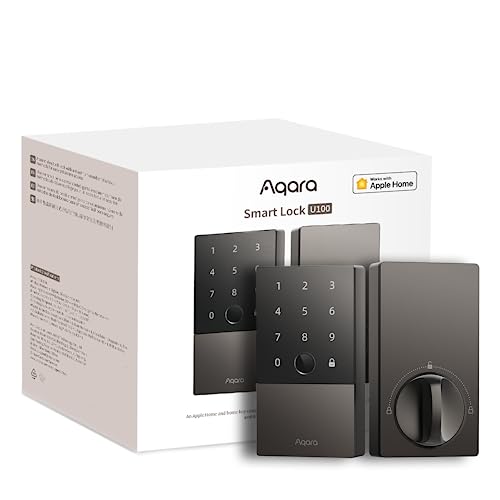
Pros
- Apple Home Key with iPhone and Apple Watch
- Fingerprint reader stores up to 50 prints
- Four AA batteries last up to 8 months
- IP65 zinc-alloy body, emergency USB-C charging
Cons
- Aqara Zigbee hub required for remote passwords
- NFC card sold separately

Pros
- Eight entry methods, including fingerprint and voice
- 0.2-second fingerprint recognition
- Built-in 2.4GHz Wi-Fi, no hub needed
- IP65 weatherproof matte black finish
Cons
- Requires eight AA batteries, not included
- Supports 2.4GHz Wi-Fi only

Pros
- 99.9% palm vein recognition accuracy
- Recognition in just 0.6 seconds
- 10,000mAh battery lasts up to 8 months
- Built-in Wi-Fi, no bridge required
Cons
- Rechargeable battery needs periodic charging
- 750mAh backup battery is non-removable

Pros
- Apple Home Key and Thread support
- Fingerprint, keypad, app, and key entry
- Up to 100 fingerprints and passcodes
- IP65 weatherproof construction
Cons
- Remote access requires a nearby Apple hub
- Uses eight AA alkaline batteries

Pros
- Apple Home Key support with iPhone and Apple Watch
- Touchscreen keypad with temporary and one-time passwords
- IPX5-rated zinc alloy lock body
- Rekeyable cylinder supports an existing five-pin key
Cons
- Aqara hub required for remote access features
- NFC card sold separately
Start With the Weather Rating
Five of these models specify IP65 protection, including both ThorBolt X1 versions, the Aqara U100 and U50, the Veise VE027-K, and the eufy FamiLock E34. The Aqara U50 lists IPX5 instead, so it still addresses water exposure but provides less detail about dust protection in its rating.
Weather resistance does not eliminate fit checks. Confirm your door thickness, deadbolt dimensions, and latch alignment before ordering. ThorBolt lists compatibility with doors from 1-3/8 to 1-3/4 inches, while Veise lists 1-3/8 to 2 inches, so the replacement process is not identical across the group.
Pro Tip: Check the existing deadbolt and door thickness before removing hardware. A weather rating cannot compensate for a lock that does not fit the door correctly.
Choose the Connection That Fits Your Home
ThorBolt X1 and the Aqara models suit households already using Apple Home Key. ThorBolt communicates with Apple Home over Thread, while Aqara uses Matter over Thread and can connect with Google Home or Alexa through an Aqara Zigbee hub. Remote access requirements differ, so check whether your existing home hub supports the chosen setup.
Veise and eufy take a simpler route for remote control because each has built-in Wi-Fi. Veise does not require a hub for its 2.4GHz connection, and eufy does not require a bridge for Wi-Fi control. The eufy model also connects with Apple Home, Google Home, Alexa, and SmartThings through Matter.
| Connection type | Main access method | Best fit |
|---|---|---|
| Thread or Matter | Home Key or keypad | Apple households |
| Built-in Wi-Fi | App or voice control | Remote access |
| Hub-dependent | Password automations | Existing smart homes |
If you are weighing hub requirements more broadly, the explanation of what a smart lock bridge does can help clarify which features may depend on extra hardware.
Battery Planning Matters at the Door
ThorBolt claims up to one year from eight AA alkaline batteries, giving it the longest stated battery period in this group. Veise uses eight AA batteries for up to 240 days, while Aqara U100 uses four AA batteries for up to eight months and U50 uses four AA batteries for up to six months.
Aqara includes USB-C emergency charging, and the U50 also supports rekeying so an existing five-pin key may remain useful after a locksmith adjusts the cylinder. Eufy uses a rechargeable 10,000mAh battery with a 750mAh backup battery, which may appeal if you prefer rechargeable power over replacing AA cells.
Before You Mount It: Do not treat a mechanical key, emergency charging port, or backup battery as a substitute for routine maintenance. Keep the access method you depend on available and check battery status in the relevant app.
Expert Examined
From Marcus Bell

I keep seeing smart-lock problems begin with door alignment rather than software. I would first make sure the deadbolt moves freely by hand, then install the electronic hardware and set auto-lock only after the latch operates smoothly.
Read more about Marcus BellFor broader access planning, review key lock boxes versus smart locks before deciding how visitors and emergencies should be handled. A smart lock can add convenience, but every household still needs a dependable fallback.
Which Lock Fits Your Door
I would point Apple Home households toward the ThorBolt X1 Smart HomeKit Keyless Entry when a long AA battery interval and fingerprint access matter. It supports Home Key, Thread, Siri, app access, passcodes, and traditional keys, while its stated fit covers many standard US and Canada deadbolts.
I would choose the Aqara Smart Lock U100, Apple Home Key for a household that wants Apple Home plus fingerprint access, local encrypted data, emergency USB-C charging, and a stated operating range from -31°F to 151°F. It is also the stronger Aqara choice when up to 50 fingerprints are useful.
For a door where remote control without a hub is the priority, I would consider the Veise VE027-K WiFi Smart Deadbolt Locks with 2. Built-in Wi-Fi, temporary and scheduled passwords, activity alerts, voice control, and automatic locking make it practical for busy households, while IP65 protection addresses exposed entry points.
The Bottom Line
The most common mistake is choosing an outdoor smart lock by its IP label alone. Door compatibility, battery format, emergency access, and the need for a hub can matter just as much once the lock is installed.
If you do only one thing first, measure the door and inspect the existing deadbolt. Then select the connection and entry methods that match your home, rather than paying for features your household will not use.
FAQs
Fingerprint, keypad, app, Apple Home Key, and traditional keys each suit different households. Fingerprint access avoids carrying a phone, while Home Key is convenient for Apple users. A mechanical key or emergency charging option adds a fallback when batteries are depleted. The listed models specify IP65 or IPX5 protection, but you should still confirm the door fit and installation instructions. Weather resistance does not correct a misaligned deadbolt or protect against every installation error. Battery life varies by model and power system. ThorBolt states up to one year with eight AA alkaline batteries, while Aqara and Veise state shorter periods, and eufy uses a rechargeable battery system. Check the app or lock alerts regularly. IP65 indicates a stated level of protection against dust and water jets. It does not mean the lock is designed for immersion, and the rating should be considered alongside door fit, placement, and the manufacturer’s instructions.Which entry method is best for a weatherproof smart lock?
Can a smart lock stay on an exposed exterior door?
How often do smart-lock batteries need attention?
What does IP65 mean on a smart lock?
Sources
- UL Solutions and Product Safety Standards. www.ul.com
- US Consumer Product Safety Commission and Home Safety. www.cpsc.gov