
Shopping for the best smart thermostats for propane furnace starts with confirming the furnace’s control wiring, not comparing app features. The key split is 24V conventional compatibility and C-wire power, especially for households replacing an older wall thermostat.

Pros
- 7-day scheduling for Home, Sleep, and Away
- Phone app control from anywhere
- Family members can share control
- Capacitive touchscreen controls
- Supports electric baseboard, boiler, and heat pump
Cons
- IP20 rating limits environmental protection
- No battery details listed

Pros
- Conventional and heat-pump compatibility
- Matter certified for smart-home integration
- Flexible seven-day scheduling options
- Auto-away and filter reminders
- Indoor humidity display option
Cons
- Requires a 24 VAC C-wire
- Not compatible with 120 to 240V baseboard heat
Pros
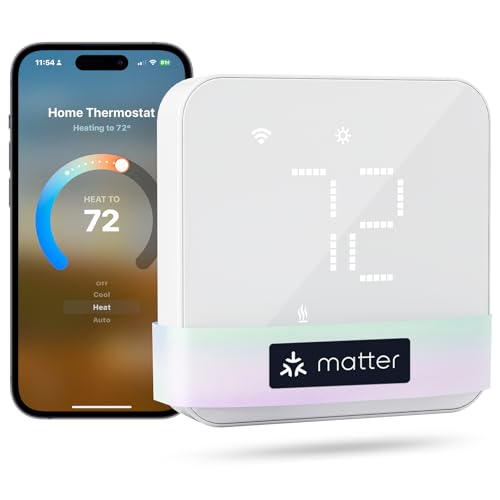
- Matter support for major smart-home platforms
- Flexible 24/7 heating and cooling schedules
- Remote app and voice control
- Smart alerts for filters and malfunctions
Cons
- C-wire may be required and is not included
- Not compatible with electric baseboard heaters

Pros
- Smartphone app enables remote temperature changes
- Alexa and Google Assistant voice control
- 3.5-inch full-color responsive touchscreen
- Supports single- and multi-stage HVAC systems
Cons
- C-wire required for steady power
- C-wire converter purchased separately

Pros
- Energy Star certified
- Works with conventional systems and heat pumps
- Free C-wire adapter included
- Remote control through iOS and Android app
Cons
- Not compatible with mini split systems
- Remote features depend on the mobile app

Pros
- Works with 95% of 24VAC residential systems
- Remote temperature and schedule management
- 3.5-inch full-color touchscreen display
- Alexa and Google Assistant voice control
Cons
- Requires a C-wire for continuous power
- C-wire converter purchased separately
Match the Thermostat to the Furnace
Propane furnaces generally belong to the conventional forced-air category, so the thermostat must support the home’s actual heating and cooling stages. Honeywell Home X2S supports forced air using gas, oil, or electric heat, while meross lists furnace and boiler support among compatible HVAC systems.
Cielo Smart Thermostat Eco for Central HVAC is specified for most 24V systems and includes gas, electric, oil, and hot water compatibility. SITERWELL models also describe compatibility with standard 24VAC residential systems, including gas-fueled equipment and single or multi-stage heating.
Do not assume that a thermostat described as smart will work with every propane setup. Verify the existing terminals, heat stages, cooling equipment, and required common wire before removing the old control. For broader home automation advice, the site’s smart thermostat category is a useful reference point.
Before You Mount It: A missing or incompatible C-wire arrangement can leave a thermostat without steady power. Confirm the furnace control board and thermostat wiring before buying, and use a qualified HVAC professional if the terminals or system type are unclear.
C-Wire Power and App Control
Four products make the C-wire requirement especially important. Honeywell Home X2S requires a C-wire, meross requires one for some wiring configurations, and both SITERWELL models require continuous C-wire power. Cielo includes a C-wire adapter, which may simplify installation in a home without a common wire.
Remote control is useful for adjusting a schedule before you arrive, changing settings while away, or protecting pets and pipes from uncomfortable conditions. Yechiry 7 Days Programmable Touchscreen adds app control, family sharing, and daily Home, Sleep, and Away schedules, though its listed applications emphasize electric baseboard, gas boiler, and heat pump systems rather than explicitly naming propane furnaces.
| Device type | Key power detail | Best fit |
|---|---|---|
| 24V conventional | C-wire may be required | Gas or propane furnace |
| 24V with adapter | Adapter included | Homes without C-wire |
| Smart app thermostat | Wi-Fi and schedules | Remote HVAC control |
App compatibility also varies. Honeywell Home X2S is Matter Certified and works with Alexa, Google Assistant, and Apple HomeKit. Meross supports Matter platforms including Apple Home, Amazon Alexa, Google Home, Home Assistant, and Samsung SmartThings.
Schedules, Comfort, and Household Controls
A propane furnace thermostat should make routine temperature changes simple rather than forcing constant manual adjustments. Honeywell Home X2S offers seven-day, five-two, five-one-one, one-week, or non-programmable scheduling, plus auto-away and filter reminders.
Meross provides flexible scheduling for home, away, and sleep periods, along with usage tracking and alerts for filter life or system malfunctions. Cielo adds preset schedules, vacation mode, energy-use patterns, and support for multiple smart home services.
Pro Tip: Before installation, photograph the old thermostat wiring and write down each terminal label. Then compare those labels with the new thermostat’s compatibility instructions instead of matching wires by color alone.
Touchscreen design may matter if several people adjust the temperature locally. SITERWELL’s two listed models use a 3.5-inch full-color touchscreen and offer PIN-protected settings, while Yechiry uses capacitive touch controls and supports sharing control with family members.
Expert Examined
From Marcus Bell

I keep seeing homeowners focus on voice assistants while overlooking the furnace terminals. The safer approach is to identify the heating system and C-wire situation first, then choose the app and scheduling features that fit the household.
Read more about Marcus BellFor related smart-home planning, you can also review the site’s Home Assistant device coverage when deciding how much platform integration matters.
Which Thermostat Fits Your Furnace
I would point propane-furnace owners toward Honeywell Home X2S Smart Wi-Fi Thermostat, White when the home has a C-wire and conventional forced-air equipment. Its gas compatibility, flexible scheduling, auto-away function, humidity display option, and Matter support make it a practical match for households already using major smart-home platforms.
I would choose Cielo Smart Thermostat Eco for Central HVAC for a 24V system where the missing C-wire is the main installation concern. The included adapter, gas compatibility, vacation mode, energy-use patterns, and broad integration support address both setup and remote-management needs.
For a home with several heating or cooling stages, I would consider SITERWELL Smart Thermostat Programmable Home Wifi. Its stated support for single and multi-stage systems, gas-fueled equipment, auxiliary heat, and emergency heat gives that household more configuration flexibility, while the touchscreen and three-year warranty add practical appeal.
The Bottom Line
The most common mistake is buying based on Wi-Fi, voice control, or touchscreen design before confirming that the thermostat supports the propane furnace’s 24V wiring and heating stages.
If you do one thing first, inspect the existing thermostat and furnace control-board terminals, confirm whether a C-wire is available, and then compare that information with the manufacturer’s compatibility requirements.
FAQs
Will a smart thermostat work with a propane furnace?
A thermostat can work with a propane furnace when its compatibility covers the home’s conventional 24V forced-air configuration and heating stages. Confirm the wiring and system requirements before installation because smart features do not guarantee compatibility.
Does a propane furnace thermostat need a C-wire?
Many Wi-Fi thermostats require a C-wire for continuous power, including several models in this comparison. Cielo includes a C-wire adapter, while other products specify a C-wire requirement or note that some wiring configurations need one.
Where should a thermostat be mounted?
Use the existing thermostat location only after confirming the wiring and system connections are suitable. Avoid changing the location without professional advice, because the thermostat needs a representative indoor temperature for reliable scheduling and control.
What does Matter Certified mean on a thermostat?
Matter Certified indicates compatibility with the Matter smart-home standard. On Honeywell Home X2S, that supports integration with platforms such as Alexa, Google Assistant, and Apple HomeKit, while meross lists several Matter-compatible platforms as well.
For general electrical product safety information, consult UL Solutions and follow the thermostat manufacturer’s installation instructions.
Sources
- UL Solutions www.ul.com
- US Consumer Product Safety Commission www.cpsc.gov