
Replacing outdated fire alarms with the best Kidde smoke detectors requires choosing between interconnected hardwired lines and standalone ten-year sealed batteries. Homeowners with existing ceiling junction boxes need interconnected units, whereas homes without pre-run wiring depend on sealed lithium power. Sorting this power format out immediately ensures code compliance and rapid alerting.

Pros
- Sealed 10-year lithium battery eliminates annual swaps
- Photoelectric sensor engineered for living areas
- Hush feature quickly silences nuisance alarms
- End-of-life chirp alerts when replacement is needed
Cons
- Non-replaceable battery requires complete unit disposal
- Lacks carbon monoxide detection capabilities
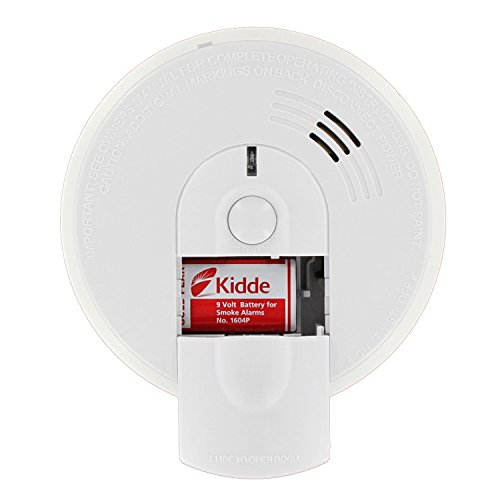
Pros
- Front-loading door for easy battery replacement
- Nine-volt battery backup sustains power during outages
- Pre-stripped harness wiring speeds up installation
- Hush control button silences nuisance alarms
- Rotatable 360-degree bracket aids ceiling alignment
Cons
- Requires an existing hardwired electrical connection
- Standard 9V battery requires periodic replacement
- Lacks integrated carbon monoxide detection

Pros
- Built-in 10-year battery eliminates low-battery chirping
- Tested to meet UL 217 10th Edition standards
- Sensing technology reduces nuisance cooking and steam alarms
- Loud 85 dB alarm with visual red LED alert
Cons
- Lacks integrated carbon monoxide detection
- Non-replaceable battery requires complete unit disposal

Pros
- Hardwired with built-in 10-year battery backup
- Spoken voice warnings paired with 85 dB siren
- Tested to UL 217 10th Edition safety standards
- Wired interconnect triggers all linked Kidde alarms
Cons
- Requires existing 120V electrical wiring
- Detects smoke only, no carbon monoxide sensor

Pros
- Sealed 10-year lithium power cell
- No annual battery replacement required
- Battery operation needs no existing hardwiring
- Living area specific placement design
Cons
- Smoke only, no carbon monoxide detection
- Sealed unit cannot take replacement batteries

Pros
- Dual ionization smoke and electrochemical CO sensors
- 120V hardwired setup with 10-year sealed lithium backup
- Interconnects with up to 24 compatible Kidde devices
- UL certified with 10-year limited manufacturer warranty
Cons
- Requires hardwired 120V wiring for primary power
- Prone to false alarms from cooking or shower steam
Hardwired Interconnects Versus Standalone Sealed Units
Modern residential codes require interconnected alarms so that an alarm triggered in a basement instantly alerts occupants upstairs. Models with AC wiring harnesses tie into existing 120-volt circuits, synchronizing every unit across the traveler wire. When planning broader home safety and detection updates, checking your junction boxes beforehand reveals whether your ceiling already contains this wiring.
For homes built before multi-station wiring mandates, standalone sealed units eliminate pulling cables through finished plaster during home safety updates. A built-in ten-year lithium battery operates continuously without replacement chores or late-night low-battery chirps. Once mounted, the internal battery powers the device until the sensor reaches its end of life.
Junction Box Check: Turn off the breaker and drop an existing ceiling alarm to inspect the wiring harness; three wires indicate an interconnect system, while two wires provide power only.
Sensor Types and Nuisance Alarm Resistance
Cooking smoke and bathroom steam cause most accidental activations, leading many residents to silence alarms improperly. The UL Solutions 217 10th Edition standard requires modern detectors to distinguish between smoldering materials, polyurethane fires, and kitchen vapor. Units meeting this standard evaluate particle signatures before activating, reducing nuisance alarms during routine meal preparation.
Photoelectric sensors recognize larger particles from smoldering upholstery quickly, long before open flames appear. Ionization detectors react faster to flaming paper or grease fires. Selecting combination units or placing the proper sensor in each zone ensures balanced fire detection throughout the property.
| Power Source | Interconnect Support | Best Ceiling Location |
|---|---|---|
| 120V Hardwired | Wired loop syncs all | Hallways and new builds |
| 10-Year Battery | Standalone single station | Retrofits without ceiling wiring |
| Hardwire Plus Battery | Whole-home synchronized alerting | Modern bedrooms and corridors |
Expert Examined
From Marcus Bell

The mistake I see most often is mounting an ionization detector right outside a steamy bathroom doorway, leading to frequent false alarms and removed batteries. I keep photoelectric units at least ten feet away from high-humidity areas to preserve quiet reliability.
Read more about Marcus BellInterconnect Networking and Voice Warning Features
A standard siren can disorient occupants during sudden nighttime emergencies, especially children who sleep through high-frequency tones. Voice warning systems supplement the 85-decibel alarm by verbally declaring fire through the speaker. Connecting these units alongside broader home security systems creates an immediate warning network across the entire floor plan.
Hardwired interconnect networks allow up to twenty-four compatible devices to communicate across a single traveler wire. When one detector spots smoke, every connected horn sounds throughout the structure. Guidance from the NFPA emphasizes that synchronized alarms provide essential escape time for distant bedrooms.
Mixing Alarm Brands: Do not mix different alarm manufacturers on the same hardwired interconnect loop. Incompatible communication voltages between different brands can damage internal circuit boards or prevent the traveler wire from triggering remote alarms during a real emergency.
Matching Kidde Detectors to Your Floor Plan
For homes with pre-wired ceiling boxes, I point homeowners toward the Kidde Smoke Detector, Hardwired & 10-Year Battery. Operating on 120V AC with a ten-year battery backup, it connects with other alarms on the traveler wire and announces fire with clear voice warnings alongside an 85-decibel siren. It meets UL 217 10th Edition standards to resist nuisance cooking steam, making it ideal for central hallways or properties tying into the best home security systems.
If you live in an older home without ceiling wiring, I would put the Kidde Smoke Detector, 10-Year Battery-Powered in your rooms. Sold in a three-pack, this standalone unit provides continuous ten-year sealed lithium operation without battery swaps. Its advanced sensing technology helps distinguish real smoke from cooking steam, and it sounds an 85-decibel alarm with a red LED warning light.
When you want dual protection against smoke and gas hazards, I suggest the Kidde Hardwired Smoke Detector. It combines an ionization sensor for invisible fire particles with an electrochemical CO sensor on a 120V wired line, supported by a ten-year backup and a silence button.
The Bottom Line
The most common mistake is buying battery-only smoke alarms for ceilings that already have working hardwired interconnect cables. Giving up synchronized alerting leaves distant rooms isolated if an emergency starts on another floor.
Before ordering new equipment, take down an existing ceiling unit to verify whether you have a three-wire hardwired harness or a simple battery bracket. Matching your purchase to your home wiring ensures code-compliant protection and straightforward installation.
FAQs
How long do Kidde ten-year sealed battery alarms actually last?
Sealed lithium models operate continuously for ten years from installation before the internal sensor degrades. When the unit reaches its end of life, it emits an audible chirp every thirty seconds to alert you that the entire device must be replaced. You never open the casing or swap internal batteries during that operational decade.
Can I replace a hardwired smoke alarm with a battery-powered model?
Building codes generally prohibit downgrading hardwired fixtures to battery-only units if the home was built with pre-wired junction boxes. While battery units provide reliable individual coverage, abandoning the interconnect wire prevents other alarms on the circuit from sounding together during a fire event.
What causes Kidde alarms to trigger false alarms near kitchens?
Cooking grease, high heat, and steam produce airborne particles that can scatter optical light beams inside photoelectric chambers or disrupt ionized fields. Newer models meeting the UL 217 10th Edition standard feature advanced sensing algorithms designed specifically to distinguish common cooking aerosols from genuine home fire events.
Can different Kidde smoke alarm models be interconnected together?
Yes, Kidde hardwired alarms sharing compatible interconnect wiring protocols can connect across the same multi-station loop. This allows you to combine smoke-only alarms, combination smoke and carbon monoxide detectors, and voice-alert units on a single traveler wire system throughout the structure.
Sources
- National Fire Protection Association www.nfpa.org
- UL Solutions Standards www.ul.com
- U.S. Consumer Product Safety Commission www.cpsc.gov