
Choosing the best doorbell cameras for direct sunlight means paying attention to glare control before chasing resolution. The main split is between cameras with HDR and app-based alerts, and simpler monitor systems, so your choice depends on how bright the entrance gets and whether you need remote viewing.

Pros
- 2K HD video with 166-degree wide view
- No subscription for alerts and playback
- HDR night vision up to 10 meters
- MicroSD storage support up to 128GB
Cons
- 2.4 GHz Wi-Fi only
- Built-in battery is non-removable

Pros
- PIR human-shape detection
- 1080P video with IR night vision
- Wireless installation, no wiring needed
- IP65 weather protection
Cons
- Limited to 2.4GHz WiFi
- Cloud storage details not specified
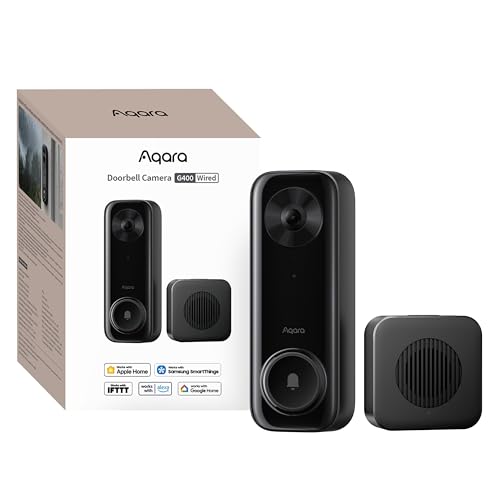
Pros
- 2K video with 165-degree head-to-toe view
- Local person and zone intrusion detection
- HomeKit, Alexa, Google, and SmartThings support
- PoE or 8–24V wired power options
Cons
- Requires wired power or PoE installation
- HomeKit needs iCloud+ and an Apple home hub

Pros
- 2K HDR head-to-toe video
- Package, person, pet, and vehicle detection
- Wired or wireless installation
- Two-way audio with quick replies
Cons
- Paid plan required for advanced detection
- Wireless setup requires rechargeable battery upkeep

Pros
- No subscription, WiFi, or app required
- 4.3-inch IPS indoor monitor
- Two-way audio and wake-up
- IP65 waterproof outdoor unit
Cons
- Indoor monitor must stay plugged in
- MicroSD card required for video recording

Pros
- No WiFi, app, or subscription required
- 4.3-inch indoor IPS monitor
- 170° wide-angle view with LED lighting
- IP65 outdoor protection
Cons
- Monitor needs to stay plugged in
- Walls and metal doors reduce range
Why Bright Entrances Need More Than High Resolution
Sunlight striking the lens can create a bright patch that hides facial details, even when the camera advertises HD or 2K video. HDR is especially relevant because it is designed to adjust across different lighting conditions. The BOIFUN Video Doorbell Camera and Arlo Video Doorbell 2K (2nd Gen) both specify HDR, while the other models emphasize standard HD video, night vision, or monitor viewing.
Field of view also matters on a sunny porch. A wider view can keep visitors and packages inside the frame when glare affects part of the image. BOIFUN lists a 166° view, while the TKMARS and Winnes systems list 170° views, and Aqara provides a 165° head-to-toe view.
Placement can help any camera, but avoid pointing the lens directly toward the strongest part of the sky or a reflective wall. If you need help correcting an awkward angle, these video doorbell angling instructions explain why a downward view can improve visitor framing.
Pro Tip: Aim the camera across the approach path rather than straight into the sun, then check whether faces remain visible during the brightest part of the day.
Power and Connectivity Shape the Choice
Sun exposure does not replace a reliable power plan. BOIFUN, Arlo, Winnes, and TKMARS use rechargeable battery designs, while Aqara supports PoE or existing 8–24V wiring. Taishixing uses a wireless 2.4GHz setup and includes a chime, making it a straightforward option where wiring is inconvenient.
App-based models are better suited to shoppers who want alerts and live viewing away from home. BOIFUN provides human detection, motion alerts, two-way audio, and local microSD support without requiring a subscription for essential features. Arlo keeps live streaming and basic alerts available without a subscription, but its advanced features require a paid plan after the included trial.
The Winnes and TKMARS systems take a different route by connecting the outdoor unit to an indoor monitor without home Wi-Fi or an app. That can be useful for an apartment, senior household, or entrance where you mainly want to see and speak with the visitor from inside.
| Device type | Key sunlight feature | Best placement |
|---|---|---|
| HDR app doorbell | HDR image processing | Bright connected porch |
| Wired smart doorbell | 2K head-to-toe view | Fixed wired entrance |
| Monitor doorbell | Indoor screen viewing | Apartment or low Wi-Fi |
Weather Protection and Storage Details
Direct sunlight usually arrives with outdoor exposure, so the weather rating deserves equal attention. Aqara, Taishixing, Arlo, Winnes, and TKMARS specify IP65 protection for dust and water resistance. BOIFUN describes outdoor operation, a built-in anti-theft alarm, and support for microSD cards up to 128GB.
Local storage can reduce dependence on cloud plans, but the formats differ. Aqara supports continuous recording to a microSD card up to 512GB and can back up footage to a compatible NAS. Taishixing includes an SD card, while Winnes and TKMARS save ring-triggered photos internally and support TF cards for video.
Before You Mount It: Do not assume a weather rating makes every power connection weather-safe. Follow the installation instructions for the chosen power method, and keep indoor monitors plugged in where required.
Sun glare is not the only source of poor footage. A dirty lens can soften faces and make bright areas bloom, so follow these steps for cleaning a doorbell camera lens safely before changing settings or replacing the unit.
Expert Examined
From Marcus Bell

I keep an eye out for doors that face a bright driveway or afternoon sky because the camera may capture plenty of light but too little useful detail. The mistake I see is choosing a wide view without checking where the sun sits during visitor hours, so I would first adjust the viewing direction and then compare image features.
Read more about Marcus BellMatching the Doorbell to Your Entrance
I would put the BOIFUN Video Doorbell Camera on a bright porch where you want a wide view, HDR night vision, human detection, and essential features without a required subscription. Its 2.4GHz-only connection is worth checking against your router location, but the wide field of view and HDR are useful priorities for a sunlit entrance.
I would point you to the Aqara Doorbell Camera G400 with Chime, Wired/PoE when stable power and smart-home integration matter more than a battery installation. It supports 2K head-to-toe video, 2.4GHz and 5GHz Wi-Fi 6, PoE or 8–24V wiring, local detection, and IP65 protection. Apple households should note that HomeKit Secure Video requires iCloud+ and a home hub.
For a home that does not need Wi-Fi or smartphone alerts, I would choose the TKMARS Wireless Doorbell Camera No Subscription No. Its included 4.3-inch monitor, 170° view, LED illumination, local photos, and IP65 outdoor unit suit an apartment or household where visitors should appear on an indoor screen. The connection should be checked at the planned mounting locations before permanent placement.
The Bottom Line
The most common mistake is treating resolution as the answer to direct sunlight. A 2K label cannot guarantee useful faces if the lens points into glare, so HDR, viewing direction, field of view, and the entrance’s power conditions deserve equal attention.
If you only do one thing first, watch the doorway during its brightest visitor period and identify where the sun enters the frame. Then choose between an HDR app doorbell, a wired smart model, or a monitor-based system that matches how you actually want to receive visitors.
FAQs
HDR can help a camera handle different lighting conditions, making it a useful feature for entrances with bright areas and shaded faces. It does not remove the need for sensible placement, because direct glare can still affect the image if the lens points toward the sun. Avoid aiming the lens directly at the strongest light source when possible. Positioning the camera across the visitor’s approach can reduce glare and keep faces inside the useful part of the frame, while a downward angle may help with packages and close visitors. Battery models require attention to charge level and motion activity, regardless of sunlight. BOIFUN states that actual battery life varies with usage and environment, while TKMARS lists approximately two months depending on use and environmental conditions. IP65 indicates protection against dust and water exposure for the outdoor unit, according to the product specifications. It does not describe image quality, glare handling, battery life, or whether every installation connection is protected from weather.Are HDR doorbell cameras better for direct sunlight?
Should a doorbell camera face the sun?
Do battery doorbell cameras need more maintenance in sunlight?
What does IP65 mean on a video doorbell?
Sources
- UL Solutions and the UL Standards www.ul.com
- National Fire Protection Association and Home Safety www.nfpa.org