
Shopping for the best energy star smart thermostats means checking the wiring before comparing apps or screens. C-wire requirements, HVAC compatibility, and the way you want schedules to adapt will decide which model fits your home. These picks suit homeowners choosing among Sensi, Honeywell Home, ecobee, and vine models.

Pros
- 7-day schedules with 8 periods
- Alexa and Google Assistant compatible
- Energy Star certified
- Temperature alerts and filter reminders
Cons
- C-wire required for installation
- Compatibility check needed before purchase

Pros
- 7-day flexible scheduling
- Geofencing with automatic home and away
- ENERGY STAR certified
- Alexa ready
Cons
- C-wire power adapter required
- Limited with heating-only oil furnaces

Pros
- ENERGY STAR certified
- Common wire not required in most applications
- Alexa compatible with remote access
- Usage reports and maintenance reminders
Cons
- Some applications require a common wire
- HVAC compatibility varies by home

Pros
- Energy Star certified
- Color touchscreen and app control
- Works with Alexa, Google Assistant, and HomeKit
- Compatible with 85% of systems
Cons
- Power Extender Kit sold separately
- SmartSensor sold separately

Pros
- DIY installation with built-in level
- ENERGY STAR certified, saves about 23% on HVAC energy
- Remote control through Android and iOS apps
- Privacy policy excludes selling personal information
Cons
- Some systems require a C-wire or power accessory
- Smart features depend on app and WiFi access
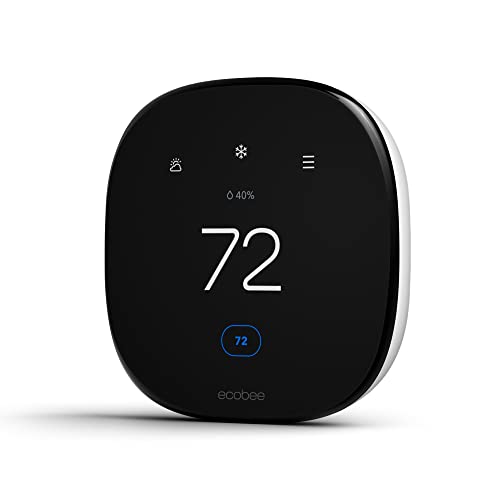
Pros
- Up to 26% potential annual energy savings
- Built-in occupancy sensing adjusts comfort automatically
- Power Extender Kit included for homes without C-wire
- Works with Alexa, Google Assistant, and HomeKit
Cons
- SmartSensors for room-by-room comfort sold separately
- HVAC compatibility should be confirmed before installation
Start With HVAC Compatibility
A smart thermostat is only useful if it can control your heating and cooling system. The vine model requires a C-wire and supports several 24V systems, including conventional equipment, boilers, and heat pumps. Honeywell Home also calls for a C-wire power adapter, so check the existing wiring before ordering.
Sensi offers the easiest path for many homes because its C-wire is not required in most applications. Sensi Lite follows a similar approach, although heating-only, cooling-only, and heat-pump systems may need a C-wire or compatible power accessory. ecobee Smart Thermostat Essential can use a separately sold Power Extender Kit, while the Enhanced includes a Power Extender Kit for homes without a C-wire.
Check the Wiring First: A missing C-wire is not a minor detail. Turn off HVAC power, photograph the existing terminal connections, and use the manufacturer compatibility checker before removing the old thermostat.
For a broader look at connected climate products, the Smart Thermostats category keeps related options together. You should still confirm your exact system because compatibility percentages and supported configurations differ by model.
Match Automation to Your Routine
All six products provide some form of remote or scheduled control, but their automation styles differ. vine provides seven-day scheduling with eight periods, Auto Home and Away mode, alerts, filter reminders, and Alexa or Google Home support. Honeywell Home adds geofencing, monthly energy reports, personalized tips, and optional utility demand-response participation.
Sensi and Sensi Lite combine flexible scheduling, remote access, geofencing, and usage reports. Their app-focused approach suits households that want familiar thermostat controls without a more elaborate comfort system. ecobee Enhanced adds occupancy sensing, learning, humidity adjustments, and optional SmartSensors for room-by-room prioritization.
| Automation style | Key differentiator | Best fit |
|---|---|---|
| Scheduled | Seven-day programming | Predictable routines |
| Location-based | Geofencing control | Changing schedules |
| Occupancy-based | Room sensing | Uneven comfort |
ENERGY STAR certification indicates that the thermostat meets an efficiency standard for the product category, but it does not promise identical savings in every home. The thermostat still needs an appropriate schedule and correctly configured HVAC equipment. The ENERGY STAR program explains how its certification fits into energy-conscious purchasing.
Choose the Right Smart-Home Connection
Voice compatibility is broad across this group, but the exact ecosystem matters if you already use automations. vine works with Alexa and Google Home, while Honeywell Home is Alexa-ready. Sensi and Sensi Lite support Alexa, and both ecobee models work with Alexa and Google Assistant. ecobee also supports Apple HomeKit, with the Enhanced adding SmartThings support.
Screen preference and privacy can also influence the choice. Sensi keeps a traditional thermostat shape with buttons and a built-in level, while ecobee Essential uses a color touchscreen. Both Sensi models state that personal information is not sold to third parties, which may appeal to households that want connected control with a clearer privacy position.
Pro Tip: Before installation, write down your current schedule and take a clear photo of every wire terminal. That makes it easier to restore the original setup if your system needs a different power arrangement.
Expert Examined
From Jenna Castellano

I keep seeing thermostat projects stall because the buyer checks the app features but not the HVAC terminals. The safer approach is to identify the system type and C-wire situation first, then compare scheduling and voice controls among compatible models.
Read more about Jenna CastellanoIf you are also improving connected safety devices, the site’s Wi-Fi smoke and carbon monoxide detector coverage can help you think through how different devices fit into your home network.
Which Thermostat Fits Your Home
I would point you to Sensi Smart Thermostat, Wi-Fi, DIY, Alexa when you want straightforward installation and a familiar button layout. Its C-wire is not required in most applications, and it includes flexible scheduling, remote access, usage reports, alerts, and maintenance reminders. It is also the stronger match if privacy is a central concern because the listed features state that Sensi does not sell personal information to third parties.
I would choose ecobee Smart Thermostat Enhanced for a larger home where rooms do not warm evenly. Its built-in occupancy sensing, humidity adjustments, included Power Extender Kit, and optional SmartSensors give it the most room-aware approach in this group. For a simpler ecobee setup, ecobee Smart Thermostat Essential is a sensible fit when a color touchscreen, Apple HomeKit, Alexa, and Google Assistant matter more than occupancy features.
The Bottom Line
The single mistake most buyers make is treating C-wire support as a minor installation detail. vine and Honeywell Home require specific power arrangements, while Sensi and ecobee provide different solutions for homes without a C-wire.
If you only do one thing first, identify your HVAC system and photograph the thermostat wiring with the power turned off. Then use the matching compatibility checker before choosing the model with the scheduling, voice, and room-sensing features you actually need.
FAQs
Sensi and Sensi Lite work without a C-wire in most applications, although some system types still need one or a compatible power accessory. ecobee Essential can use a separately sold Power Extender Kit, while ecobee Enhanced includes one. No. Compatibility varies by model and by the number of heating, cooling, auxiliary, or emergency stages. Check the manufacturer’s compatibility information against your HVAC terminals before installation. It means the product meets the ENERGY STAR efficiency requirements for its category. Your actual savings depend on your HVAC equipment, schedule, settings, and household use, so certification is not a guaranteed savings amount. The listed models provide remote control through a manufacturer app, although available ecosystems differ. Voice control also varies, with Alexa, Google Assistant, Google Home, Apple HomeKit, and SmartThings support distributed across the products. Several models provide filter reminders, alerts, usage reports, or equipment notifications. These features can help you remember routine HVAC care, but they do not replace professional service when the system has a fault.Which smart thermostat is best for a home without a C-wire?
Do all smart thermostats work with heat pumps?
What does ENERGY STAR certification mean for a thermostat?
Can I control these thermostats remotely?
What maintenance reminders do smart thermostats provide?
Sources
- ENERGY STAR program and certified products. www.energystar.gov
- US Department of Energy energy efficiency information. www.energy.gov