
Shopping for the best smart locks for cold weather means looking beyond app features and checking how the lock handles exposure, batteries, and emergency access. The key split is whether you need weatherproof exterior hardware or an indoor retrofit, especially if winter conditions are severe.

Pros
- Six entry methods, including fingerprint recognition
- Apple Home Key via iPhone or Apple Watch
- Thread support for Apple Home connectivity
- Stores up to 100 fingerprints and passcodes
Cons
- Remote access requires a Thread-enabled hub nearby
- Uses eight AA alkaline batteries

Pros
- Installs inside without replacing existing deadbolt
- Remote control through Yale Access app
- Unlimited virtual keys for shared entry
- Included Yale Connect for door control
Cons
- Requires an existing compatible deadbolt
- Uses four AA batteries
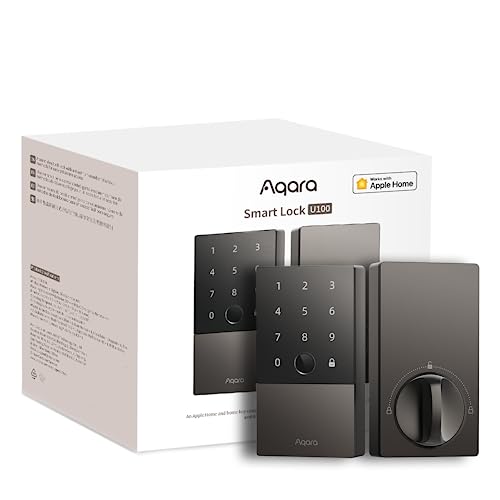
Pros
- Apple Home Key with iPhone and Apple Watch
- Fingerprint reader stores up to 50 prints
- Four AA batteries last up to 8 months
- IP65 zinc-alloy body, emergency USB-C charging
Cons
- Aqara Zigbee hub required for remote passwords
- NFC card sold separately

Pros
- Up to 200 customizable access codes
- Remote app control with activity timestamps
- Backlit tactile keypad for nighttime use
- BHMA Grade 3 and IP54 rated
Cons
- AA batteries require periodic replacement
- Remote features use Wi-Fi and the app

Pros
- Apple Home Key and Thread support
- Fingerprint, keypad, app, and key entry
- Up to 100 fingerprints and passcodes
- IP65 weatherproof construction
Cons
- Remote access requires a nearby Apple hub
- Uses eight AA alkaline batteries

Pros
- Apple Home Key support with iPhone and Apple Watch
- Touchscreen keypad with temporary and one-time passwords
- IPX5-rated zinc alloy lock body
- Rekeyable cylinder supports an existing five-pin key
Cons
- Aqara hub required for remote access features
- NFC card sold separately
Weather ratings matter at the door
A lock mounted on the outside of an entry door faces rain, blowing snow, dust, and repeated temperature changes. The ThorBolt X1 models and Aqara U100 carry IP65 ratings, while the Aqara U50 carries IPX5 and the Tapo DL100 carries IP54. Those ratings describe resistance to water and particles, not a promise that every installation will perform identically in a harsh climate.
The Aqara U100 and U50 list operating ranges reaching down to -31°F, which gives them a clearly stated cold-temperature specification. The Yale Approach Smart Wi-Fi Deadbolt Retrofit is different because it installs inside the door and keeps the existing deadbolt and key as a backup, reducing exterior electronics exposure.
Pro Tip: Before mounting an exterior keypad, check that the door closes squarely and that the latch does not drag. Extra resistance can make a motor work harder, regardless of the weather rating.
Battery planning for winter
Cold weather can make battery planning more important than app convenience. The ThorBolt X1 models use eight AA alkaline batteries and list up to one year of battery life, while the Aqara U100 uses four AA batteries with up to eight months listed and the U50 lists up to six months.
The Tapo DL100 lists up to 200 days in Wi-Fi mode or 300 days in Bluetooth mode, uses four AA batteries, and includes USB-C emergency power. Aqara also provides USB-C emergency charging, so you should confirm the port remains reachable after installation. Keep spare batteries indoors rather than leaving them in a freezing vehicle.
Expert Examined
From Marcus Bell

I keep the battery compartment and emergency port easy to reach, because winter maintenance becomes frustrating when a lock is installed behind a storm-door frame or tight trim. The mistake I see is choosing a location for appearance first and discovering later that battery changes require removing hardware.
Read more about Marcus BellAccess methods during outages
Cold weather often arrives with storms, outages, and gloves that make small buttons awkward. Fingerprint access is offered by the ThorBolt X1 and Aqara U100, while the Tapo DL100 uses tactile buttons and the Yale retrofit keeps the original key available. Multiple methods give you a better fallback than relying on one phone connection.
Remote access also depends on the connection setup. ThorBolt remote access through Apple Home requires a Thread-enabled Apple home hub within 33 feet, and Aqara remote passwords require an Aqara Zigbee hub. For broader context on hub requirements, see what a smart lock bridge does.
| Lock type | Cold-weather detail | Best placement |
|---|---|---|
| Exterior keypad | IP rating and temperature range | Exposed entry door |
| Indoor retrofit | Existing deadbolt remains | Sheltered interior side |
| Wi-Fi model | Battery use varies by mode | Door with stable signal |
Use a mechanical key or local code as a deliberate backup, not as an afterthought. A separate key-storage plan can also help, but avoid placing a spare where snow, rain, or easy visibility makes it ineffective. These spare-key placement ideas cover the common mistakes.
What the certifications and ratings tell you
IP ratings address protection from water and solid particles, while BHMA Grade 3 describes a residential security and durability level. The Tapo DL100 and both Aqara models identify BHMA Level 3 or Grade 3 compliance in their product details. That does not replace checking door alignment, strike-plate condition, or the manufacturer’s installation requirements.
For door hardware terminology, review why the strike plate matters. A strong lock can still perform poorly if the bolt meets a misaligned opening or the frame has loosened.
Do Not Ignore the Frame: A weatherproof lock cannot compensate for a swollen door, loose screws, or a strike plate that prevents the bolt from seating fully.
Which Lock Fits a Cold-Weather Home
I would point you to the Aqara Smart Lock U100, Apple Home Key for an exposed entrance where a stated -31°F operating range, IP65 rating, fingerprint access, and USB-C emergency charging matter. Its four AA batteries and local encrypted fingerprint storage also make the feature set practical for a household that wants several entry methods.
I would choose the ThorBolt X1 Smart HomeKit Keyless Entry for an Apple-focused home that values Home Key, Thread support, fingerprint entry, and a listed one-year battery life. For a sheltered door where you want to preserve the existing deadbolt, the Yale Approach Smart Wi-Fi Deadbolt Retrofit is the more fitting choice because it installs inside and keeps physical keys available.
The Bottom Line
The mistake most cold-climate buyers make is treating an IP rating as the entire winter specification. Battery format, stated operating temperature, emergency charging, door alignment, and whether the electronics sit outside all matter just as much.
If you do one thing first, inspect the door location and write down the lowest temperature and exposure it will face. Then choose a model whose weather rating, power plan, and backup access match that exact entrance.
FAQs
A fingerprint reader can provide fast entry without remembering a code, while a keypad remains useful when gloves, wet fingers, or changing fingerprints create recognition issues. Models with several access methods give you more practical backups. An exterior-rated lock may still benefit from shelter from direct precipitation and drifting snow. Keep the keypad, battery compartment, and emergency charging port accessible, and follow the installation requirements for the specific model. Check the app status regularly and inspect the battery compartment before the coldest part of the season. Replace batteries according to the lock’s alerts and keep compatible spares indoors. IP65 indicates protection against dust and water jets from the stated test conditions. It does not describe battery performance, impact resistance, door alignment, or guaranteed operation at every outdoor temperature. No. BHMA Grade 3 addresses residential hardware performance, while an IP rating addresses protection from water and particles. Check both ratings separately when the lock will face winter exposure.Should I choose a fingerprint lock or keypad for cold weather?
Do smart locks need a cover in winter?
How often should I check smart lock batteries in winter?
What does an IP65 rating mean on a smart lock?
Does BHMA Grade 3 mean a lock is weatherproof?
Sources
- UL Solutions and Door Hardware Standards. www.ul.com
- National Fire Protection Association and Home Safety. www.nfpa.org
- U.S. Consumer Product Safety Commission and Home Safety. www.cpsc.gov