
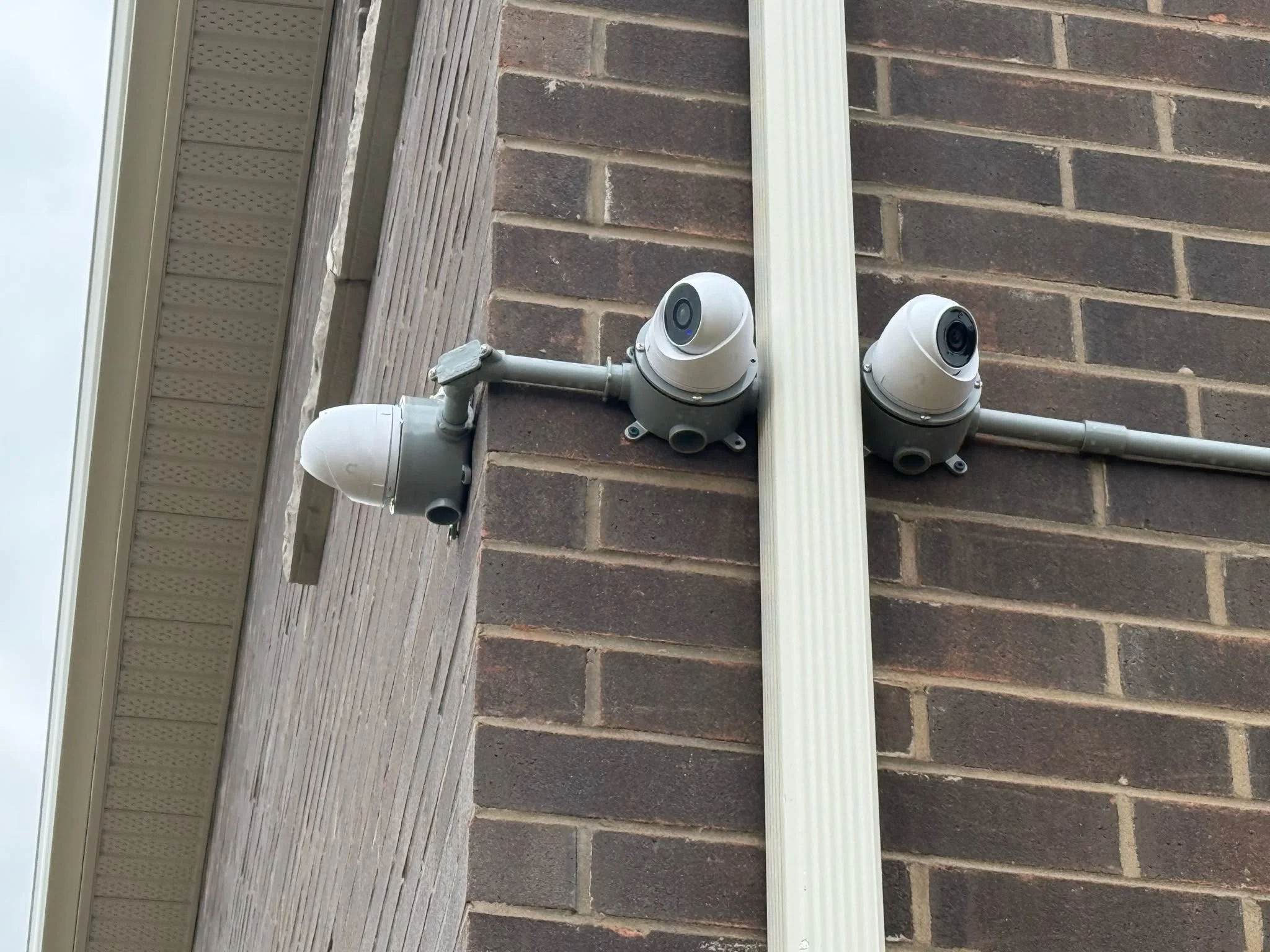
Shopping for the best ubiquiti security cameras usually starts with one practical choice: do you need broad outdoor coverage, discreet indoor mounting, or maximum detail at night? The right model depends on the scene, cable route, and level of weather or tamper resistance your property requires.
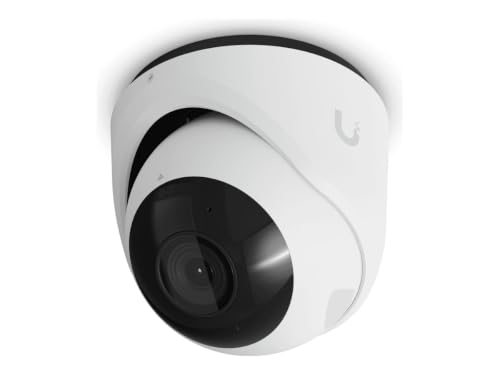
Pros
- High 3864 x 2160 4K video resolution
- Infrared night vision reaching up to 98 feet
- Integrated face detection feature
- Ceiling mount design for overhead coverage
Cons
- Fixed lens provides no optical zoom adjustment
- Requires a direct DC power source

Pros
- 2K HD recording at 30 frames per second
- High-resolution 5MP CMOS image sensor
- Flexible three-axes adjustment mount
- Infrared night vision up to 10 meters
Cons
- IPX4 rating provides only splash resistance
- Narrow 84.4-degree viewing angle limits coverage

Pros
- 2K HD video capture at 30 FPS with 5MP sensor
- IK08 vandal-resistant enclosure protects the lens
- Wide 102.4-degree viewing angle for broad coverage
- Infrared night vision illuminates out to 10 meters
Cons
- Requires UniFi Protect application for management
- IPX4 weather resistance protects against splashes only

Pros
- Sharp 4K video recording at 30 FPS
- Onboard face and license plate recognition
- Infrared night vision reaches 98 feet
- Weatherproof IP66 rated exterior casing
Cons
- Requires a wired PoE network connection
- Fixed focal length prevents optical zoom
- Modest IK04 tamper and impact rating

Pros
- Sharp 4K video at 30 frames per second
- IK10 vandal resistance and IP66 weatherproof build
- Infrared night vision reaches up to 98 feet
- AI detection for people, vehicles, and license plates
- Single-cable Power over Ethernet installation
Cons
- Requires UniFi Protect for system management
- Requires dedicated wired PoE network connection
- Gang box and flush mounts sold separately

Pros
- PoE setup delivers power and data over one cable
- Crisp 2K resolution at 30fps with 5MP sensor
- Smart detection identifies people, vehicles, and animals
- Three axis mounting for wall, ceiling, and pole
Cons
- IP55 weather rating provides modest outdoor splash protection
- Requires wired Ethernet cabling with PoE power
- IR night vision range limited to 30 feet
Match Resolution to the Scene
Resolution matters most where you need to distinguish details at a distance. The 4K models in this selection provide 8MP imagery, while the 2K options use 4MP or 5MP sensors and can still suit entrances, side paths, and smaller rooms.
A wide field of view can reduce the number of cameras needed, but it may show less detail on a distant subject. The G6 Turret and G6 Dome offer 4K resolution, while the G5 Dome and G5 Bullet models focus on 2K coverage with 30 FPS video.
Night vision is another dividing line. Several cameras provide infrared visibility up to roughly 30 m or 98 ft, while the G5-Bullet and G5 Dome specify infrared range up to 10 m. Match that distance to the area between the mounting point and the subject, not the total size of your yard.
Pro Tip: Aim the camera at the approach path, not directly at a bright lamp or reflective wall. This helps preserve useful contrast after dark.
Choose the Right Housing and Mount
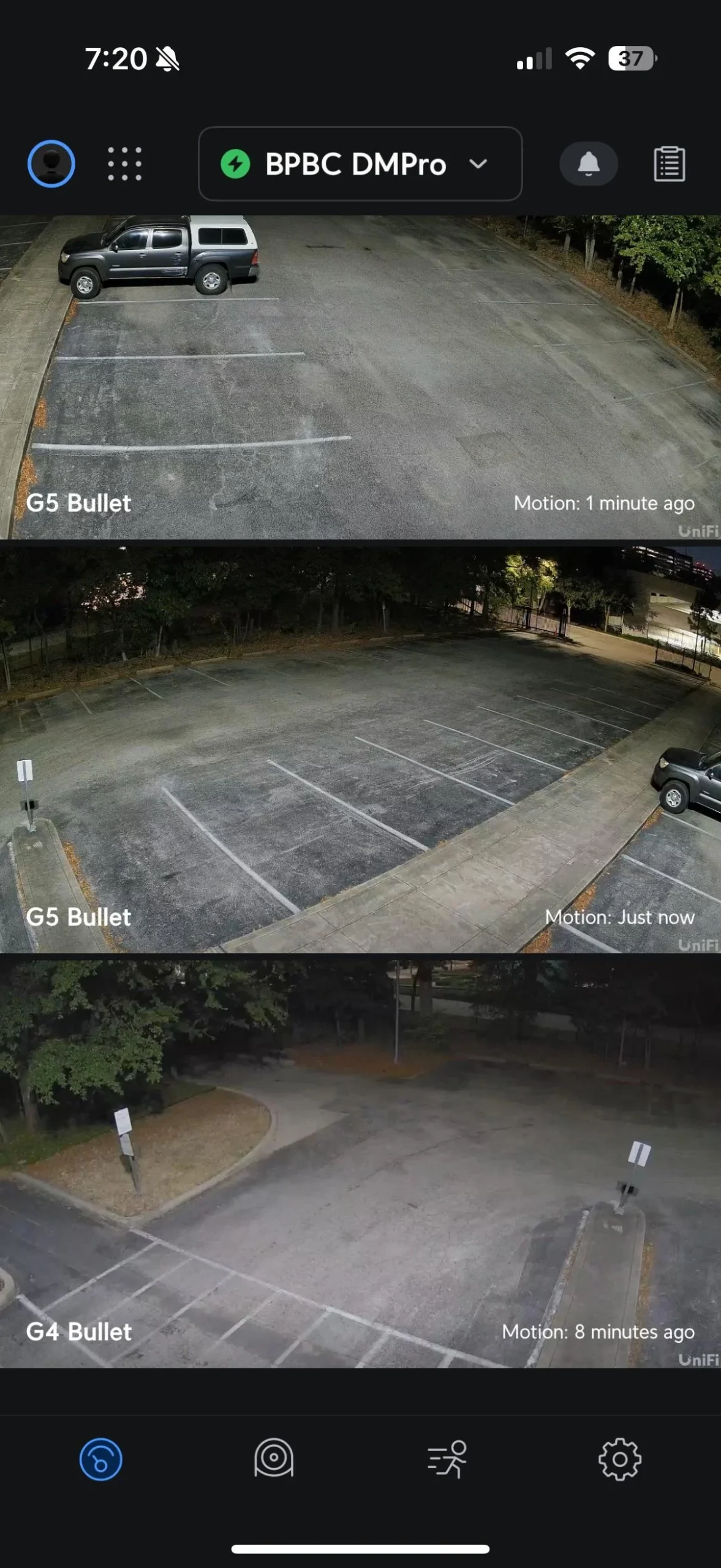
Turret and dome designs work well where you want a compact ceiling or wall installation. The G6 Turret includes three-axis adjustment, IP66 weatherproofing, and IK04 tamper resistance. The G6 Dome adds IK10 vandal resistance, IP66 protection, and included ceiling and wall mounts.
For exposed locations, an enclosure rating gives you a clearer basis for placement. IP55, IPX4, and IP66 indicate different levels of protection, while IK ratings address resistance to mechanical impact. The meaning of security camera status lights can also help you interpret what the camera is doing after installation.
| Camera style | Key protection | Suitable location |
|---|---|---|
| G6 Dome | IP66, IK10 | Exposed entryway |
| G6 Turret | IP66, IK04 | Outdoor wall or ceiling |
| G5 Bullet | IP55, IK04 | Indoor or outdoor path |
Do not treat weather resistance as permission to place a camera anywhere. Keep the lens clear of roof runoff, aim away from direct glare, and confirm that the supplied mounting method suits the surface.
Before You Mount It: A PoE camera needs a suitable Ethernet route and compatible power equipment. Plan the cable path first, because a convenient camera position is not useful if the network connection cannot reach it safely.
Plan PoE, Network, and Surveillance Coverage
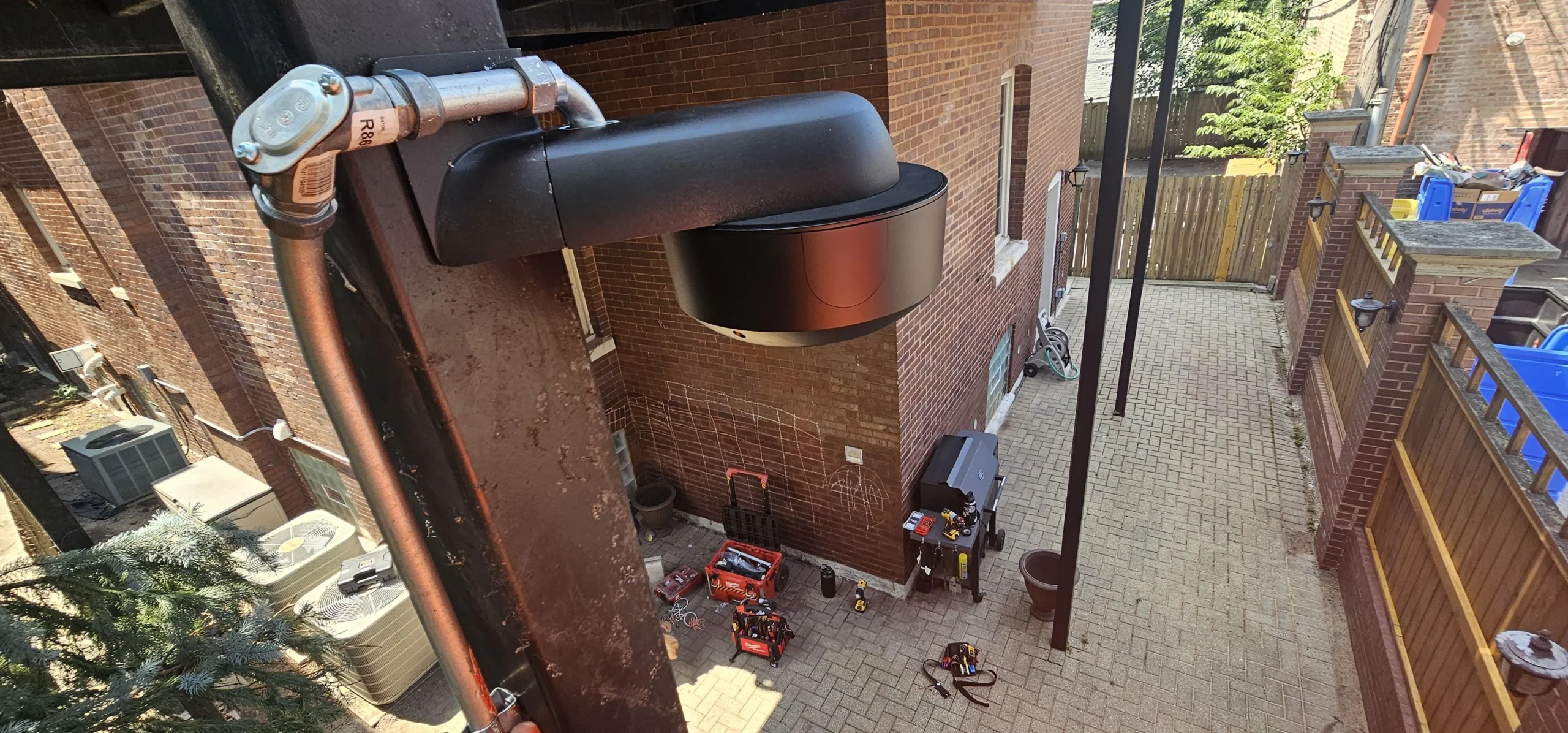
Every model in this selection is intended for networked surveillance, and several specify PoE as the power method. PoE can simplify installation by carrying power and data over one Ethernet cable, but it still requires an appropriate network connection and a practical route to the mounting point.
Think in zones rather than simply counting cameras. One unit may watch a porch, another a driveway, and a third a rear gate. If you need recorded footage across several locations, understanding how an NVR differs from a DVR can clarify the storage setup before you buy additional equipment.
Expert Examined
From Marcus Bell

I keep seeing homeowners mount cameras too high, then discover that faces and vehicle details occupy only a small part of the image. I would rather see a slightly lower, protected position with a clear approach angle than a distant view that shows plenty of pavement but little useful detail.
Read more about Marcus BellSmart detection features may help narrow attention to people, vehicles, animals, faces, or license plates, depending on the model. They should support a sensible camera position rather than compensate for glare, excessive distance, or a blocked field of view.
Which Camera Fits Your Property
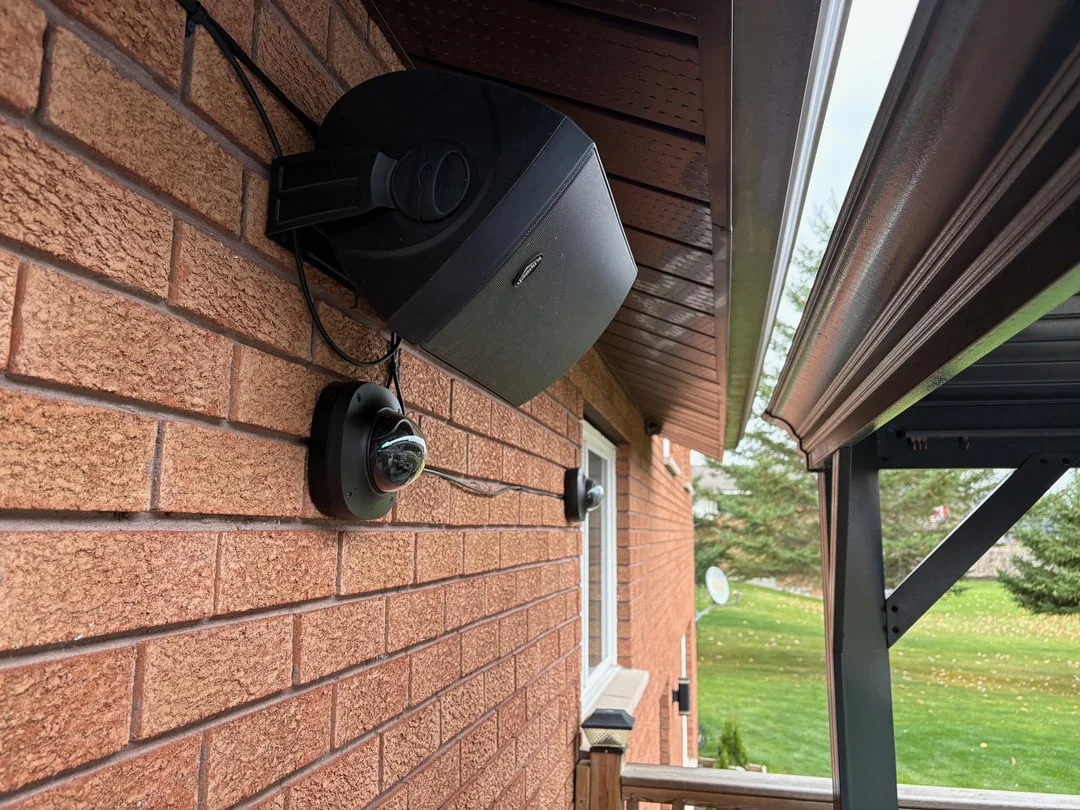
I would point you to the Ubiquiti UniFi G6 8 Megapixel 4K Network Camera when remote surveillance and long-range night visibility are priorities. It offers up to 3864 x 2160 resolution, infrared night vision up to 98.43 ft, a fixed lens, and a ceiling-mount design.
For an exposed entrance where impact resistance matters, I would choose the Ubiquiti UniFi G6 Dome 4K PoE Camera. Its 8MP 4K image, AI smart detection, 30 m infrared range, IK10 rating, IP66 housing, and included wall and ceiling mounts make its strengths easy to match to that setting.
I would reserve the Ubiquiti UniFi G5 Bullet 2K HD PoE Indoor/Outdoor for a multi-zone plan that needs three cameras. Its 2K video, 84.4-degree view, 30-foot infrared range, IP55 enclosure, and included wall, ceiling, and pole adapters suit paths and perimeter areas.
The Bottom Line
The mistake most buyers make is choosing by resolution alone. A 4K camera cannot compensate for a poor angle, an obstructed lens, excessive distance, or a cable route that does not support the installation.
If you do only one thing first, sketch the areas you need to see and mark each camera’s likely distance from the subject. Then compare infrared range, field of view, housing protection, mounting flexibility, and PoE access against those marked zones.
FAQs
Which Ubiquiti camera type suits an outdoor entrance?
A turret or dome camera with weather and impact ratings is usually the better fit for an exposed entrance. The G6 Turret and G6 Dome both provide 4K resolution and long-range infrared visibility, while their enclosure ratings support more demanding outdoor placement.
How far can these cameras see at night?
Night vision varies by model. Some G6 cameras specify infrared visibility up to about 30 m or 98 ft, while the G5-Bullet and G5 Dome specify up to 10 m, so match the stated range to the distance between the camera and the subject.
What does PoE mean for installation?
PoE means power over Ethernet, allowing one Ethernet cable to carry network data and electrical power to a compatible camera. You still need suitable network equipment and a safe cable route to the mounting location.
What do IP and IK ratings mean?
An IP rating describes protection against dust and water, while an IK rating describes resistance to mechanical impact. Higher ratings can suit more exposed locations, but they do not replace careful mounting, aiming, and cable protection.
Sources
Sources
- UL Solutions security and safety information. www.ul.com
- US Consumer Product Safety Commission home safety information. www.cpsc.gov