
Homeowners comparing the best security camera systems for home often struggle to balance constant false alerts with patchy Wi-Fi coverage across their perimeter. Deciding between a continuous wired recording hub and a modular wireless alarm setup resolves that friction before drilling a single hole.

Pros
- 1TB local storage, no monthly cloud fees
- Color night vision up to 32 feet
- Human and vehicle detection with Smart Search
- IP66 weatherproof cameras with audio
Cons
- Wired installation required
- Four-channel DVR limits camera expansion

Pros
- 1080p Full HD video
- Color night vision up to 32 feet
- IP66 weather-resistant cameras
- Red and blue deterrent lights
Cons
- Wired installation required
- Four-channel system limits expansion
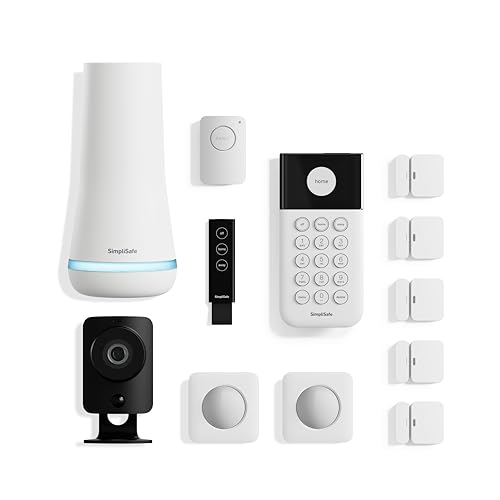
Pros
- Motion sensors cover 35 feet, pet-safe under 60lbs
- Wired camera includes stainless steel privacy shutter
- Panic button features discreet silent alert mode
- Integrates with Alexa and Google Assistant
Cons
- Emergency police dispatch requires paid monitoring subscription
- Indoor security camera requires wired power connection
- Monitoring services and hardware supported only in the US
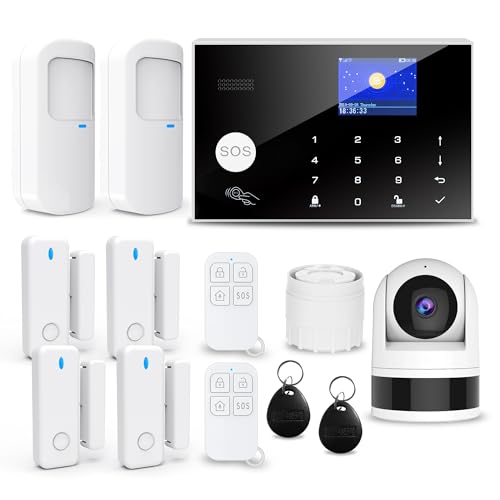
Pros
- Extensive 13-piece security kit
- Supports up to 100 sensors
- Dual WiFi and 2G connectivity
- Includes remote control and camera
Cons
- Requires legacy 2G network support
- Extensive initial installation time

Pros
- Eight IP67 weatherproof outdoor cameras
- Pre-installed 1TB drive for local storage
- AI human and vehicle motion detection
- Three selectable night vision lighting modes
Cons
- Fully wired setup requires extensive cable runs
- Camera resolution tops out at 1080p

Pros
- Pre-installed 1TB HDD for continuous recording
- AI human and vehicle motion detection
- IP67 weatherproof rating on outdoor cameras
- Infrared night vision reaches up to 100 feet
- DVR storage expandable up to 10TB
Cons
- Wired setup requires running physical video cables
- Bundled cameras provide 1080p instead of 3K
- Night footage limited to black and white
Wired DVR Storage Versus Wireless Event Monitoring
Wired kits use physical cables to feed every video stream directly into a central hard drive. Learning what is an NVR and how it differs from a DVR helps clarify why these systems record nonstop without consuming residential internet bandwidth. A dedicated one-terabyte drive stores days of continuous footage locally without requiring monthly cloud fees.
Wireless setups emphasize interior coverage and rapid sensor dispatch instead of constant video streams. These platforms rely on contact switches and motion sensors to trigger brief clips or alarms, fitting smaller residences that cannot accommodate running coaxial cables through walls.
Pro Tip: Mount outdoor bullet cameras at least nine feet above the ground to keep cables out of reach while retaining clear facial angles.
Night Vision Capabilities and Visual Deterrence
Standard infrared LEDs produce clear black-and-white video in total darkness across long distances. Modern systems supplement infrared with bright white spotlights to generate full color up to thirty-two feet, preserving essential details such as vehicle paint and jacket colors.
Certain outdoor cameras introduce flashing red and blue lights to actively discourage trespassers before entry occurs. Deciding what security camera lights indicate allows you to schedule visual warnings during overnight hours while keeping quiet monitoring active during daylight.
Expert Examined
From Marcus Bell

The mistake I see most often is pointing spotlight cameras directly at reflective siding or gutters. The bright glare bounces straight back into the lens, washing out night recordings right when you need detail.
Read more about Marcus Bell| Architecture | Night Feature | Best Placement |
|---|---|---|
| Wired DVR Kit | Color Spotlights | Driveways and Gates |
| Extended DVR | 100ft Infrared | Large Open Yards |
| Wireless Sensor | Indoor Shutter | Hallways and Living Rooms |
Detection Filters and Weatherproofing Standards
Older motion sensors triggered recordings whenever tree branches swayed or insects crossed the lens. Current on-device artificial intelligence isolates human silhouettes and vehicle shapes, filtering out environmental movement so you only review genuine security events.
Exterior surveillance hardware requires robust weather ratings to handle seasonal rain and freezing conditions. An IP66 or IP67 enclosure ensures dust and moisture cannot penetrate the internal housing, which supports long-term evidentiary value as noted in security camera footage admissibility standards during legal disputes. Radio frequency stability also complies with standards from the FCC for consumer hardware.
Check Local Audio Laws: Recording exterior audio requires caution because state wiretap laws often restrict capturing spoken conversations without consent from all parties.
Matching Systems to Your Floor Plan
For detached houses with extensive perimeters, I would point you toward the ANNKE Home Wired Camera Security System. Its eight weatherproof cameras deliver comprehensive coverage, while the three night modes give you complete control over spotlight use along property lines.
If you need an active perimeter shield for a tight driveway or storefront, I suggest the Swann 1080P Wired Security Camera System. The integrated red and blue warning lights create an immediate psychological barrier against intruders, backed by reliable continuous local storage on its pre-installed hard drive.
For renters or owners who prioritize interior entry monitoring over exterior wiring projects, I recommend the SimpliSafe 12 Piece Wireless Home Security System. It combines pet-friendly motion sensors and entry triggers with an indoor camera featuring a mechanical privacy shutter. You can also explore broader multi-room setups through dedicated home security systems designed for comprehensive intrusion monitoring.
The Bottom Line
The single mistake most buyers make is purchasing high-resolution hardware without verifying the physical cable path back to the recorder. Running wires through exterior walls and attics takes careful planning, and discovering inaccessible pathways after purchase leads to uninstalled gear.
If you only do one thing today, map out every entry point around your property and measure cable runs before placing an order. Knowing your mounting surfaces and lighting conditions ensures your chosen hardware delivers usable footage immediately.
FAQs
Do wired security camera systems require an internet connection?
Wired DVR systems record continuously to their internal hard drive without an internet connection. An active network connection is only necessary if you want to stream live footage or receive push notifications on your phone.
What is the difference between IP66 and IP67 weather ratings?
Both ratings offer total protection against dust. IP66 hardware withstands high-pressure water jets and heavy rain, whereas IP67 equipment can endure complete temporary water submersion up to one meter without leaking.
Can motion sensors tell the difference between people and pets?
Modern optical systems use onboard artificial intelligence to analyze shapes and movement paths, filtering out small animals. Wireless interior sensors generally rely on pet-immune thresholds calibrated for animals under sixty pounds.
How far does color night vision reach on outdoor cameras?
Color night vision requires supplemental illumination from built-in spotlights or external floodlights, usually reaching up to thirty-two feet. Beyond that distance, cameras switch to infrared illumination for black-and-white monitoring up to one hundred feet.
Sources
- Federal Communications Commission www.fcc.gov
- UL Solutions Standards www.ul.com