
Modern best residential security cameras have evolved far beyond basic motion alerts, now offering AI detection and local storage options that eliminate recurring cloud fees. You likely already know the perimeter you need to protect, so the real challenge is deciding between hardwired power for reliability or solar setups for installation flexibility.

Pros
- Pre-installed 3TB drive with no monthly fees
- Eight 5MP cameras expandable to ten channels
- IP66 waterproof rating withstands -13°F to 122°F
- AI human detection filters pet false alerts
Cons
- Wired plug-in power required at camera locations
- One-way audio lacks two-way talk capability
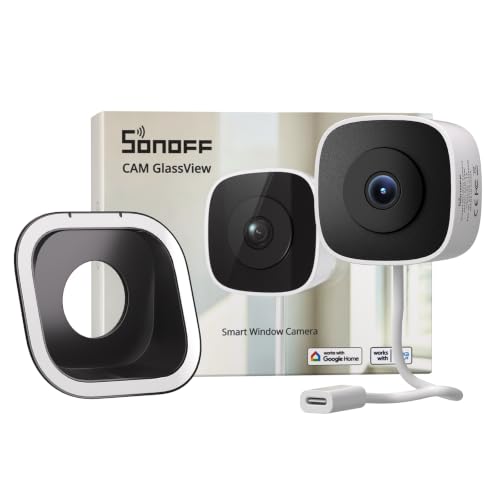
Pros
- No-drill, stick-on installation
- 2K video with color night vision
- Local web console, RTSP, and ONVIF
- Up to 128GB microSD storage
Cons
- Requires indoor window-glass placement
- Needs a power connection
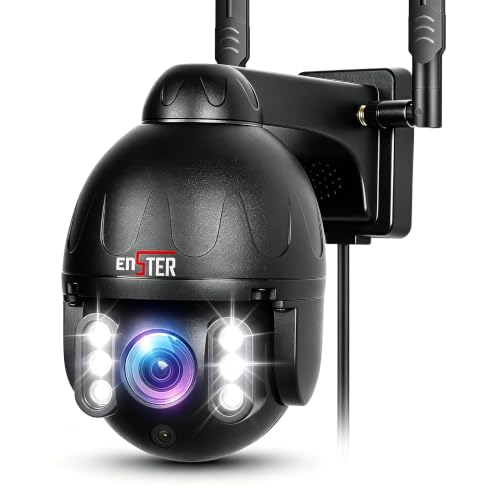
Pros
- 150-foot full-color night vision via 6 LEDs
- Dual-band 2.4G and 5G Wi-Fi transmission
- All-metal IP66 weatherproof exterior casing
- 355-degree pan and 90-degree tilt with 4X zoom
Cons
- App controls restricted to the CamHiPro platform
- Local storage requires buying a separate micro SD card
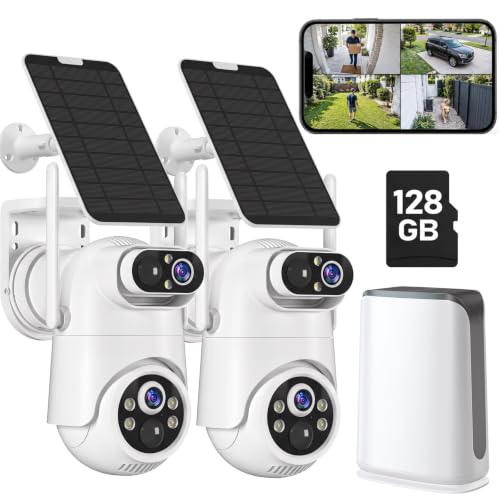
Pros
- Dual PIR sensors with AI human recognition
- 128GB encrypted local storage, no subscription
- 5W solar panel and 8000mAh battery
- 2.5K 4MP video with color night vision
Cons
- WiFi only, no 4G or LTE support
- App required for zones and sensitivity settings

Pros
- No-drill glass installation with three brackets
- 2K resolution with Starlight color night vision
- Dual-band 2.4GHz and 5GHz Wi-Fi
- Standard ONVIF and RTSP compatibility
Cons
- MicroSD card not included
- Cloud storage requires paid subscription
- Offline AP hotspot range limited to 15 meters

Pros
- 4MP resolution for detailed daytime footage
- Full-color night vision up to 65 feet
- 8000mAh battery with detachable 5W solar panel
- Remote pan, tilt, and digital zoom
- AI human detection with adjustable sensitivity
Cons
- Pairs only with Carltec's home hub system
- Maximum four cameras per homebase
Powering Your Surveillance Strategy
Hardwired systems typically offer more stability for continuous monitoring. If you need a setup that records 24/7 to a local hard drive, look for options like the Hiseeu 5MP Home Security Camera System Outdoor.
Battery and solar configurations provide greater flexibility for detached garages or property lines where running power cables is impractical.
FYI: These systems often utilize a central hub to manage connectivity and storage, helping to keep your footage on-site rather than in the cloud.
| Type | Power Source | Best For |
|---|---|---|
| Wired NVR Kit | Plug-in | 24/7 Coverage |
| Window Unit | Plug-in | Rental Units |
| Solar Wireless | Battery/Panel | Detached Areas |
Through-Glass vs. Exterior Mounting
Choosing between an interior window camera and a dedicated outdoor model changes your installation requirements. For apartment dwellers, mounting a camera on the inside of a window avoids the need for permanent drilling or exterior wiring, which can complicate terms if you ever need to determine if your security equipment stays or goes during a move.
However, exterior models like the ENSTER 2.4/5G Security Camera Outdoor provide a wider field of view and fewer reflections.
Before You Mount It: If you opt for an indoor window camera, you must ensure your chosen model handles glass reflections effectively to avoid blinding the sensor at night, which can render the device useless in the dark.
AI Detection and Data Management
Modern surveillance focuses on distinguishing true threats from passing wildlife or moving tree branches. You should prioritize models that feature human detection algorithms, as these significantly reduce the volume of false push notifications sent to your phone.
Some users ask about advanced analytics like facial recognition, but effective human detection is usually sufficient for identifying potential intruders.
Expert Examined
From Marcus Bell

I find that most homeowners set their motion zones too broad. I always narrow my zones to cover specific entry points, like the front door or side gate, to avoid getting pinged for every passing car or neighbor’s pet.
Read more about Marcus BellChoosing the Right Setup
I would point you to the Hiseeu 5MP Home Security Camera System Outdoor if you have a large property and require consistent, 24/7 recording without relying on a cloud subscription. The NVR kit approach is the most reliable method for those who want their data stored locally on a dedicated hard drive.
For those living in apartments or rental homes where you cannot drill holes, I would put the Ediloca 2K Window Camera for Home Security at the top of your list. It mounts securely to the glass, providing a clear view of your entryway or common areas while keeping the setup completely non-intrusive.
If you need to cover a detached garage, fence line, or garden area, I would recommend the Carltec 4MP Outdoor Security Cameras Solar Powered. The wire-free design and solar charging capability mean you do not have to worry about running electrical lines to areas that lack a nearby outlet, ensuring you get coverage exactly where you need it most.
The Bottom Line
The most common mistake buyers make is failing to check their Wi-Fi signal strength at the intended mounting location. Cameras that rely on wireless signals often underperform if they are installed at the edge of your network’s range, leading to dropped footage and connectivity errors.
If you only do one thing, perform a speed test at the installation site before securing the mount. Ensuring your network signal is robust prevents the frustration of needing to relocate your hardware after the initial installation is complete.
FAQs
Can I use these cameras without the internet?
Most modern systems require an initial internet connection for setup and app pairing. However, many NVR kits and units with local SD card storage can continue to record locally even if your internet goes offline, allowing you to access footage later.
What is the benefit of an IP66 rating?
An IP66 rating means the device is fully protected against dust and can withstand powerful water jets, such as heavy rain. This is essential for any camera mounted on an exterior wall without overhead shelter.
How does local storage improve privacy?
Local storage keeps your video files on a physical hard drive or SD card inside your home rather than sending them to a third-party server. This reduces the risk of data breaches and eliminates the need for monthly cloud subscription fees.
Can I mix and match different brands of cameras?
Mixing brands is difficult unless all devices support universal protocols like ONVIF or RTSP. Stick to the same ecosystem or brand whenever possible to ensure the app, alert system, and storage protocols work together correctly.
Sources
- US Consumer Product Safety Commission www.cpsc.gov
- UL Solutions www.ul.com