
Running the best hardwired security cameras eliminates the battery recharges and dropped signals that plague Wi-Fi gear. The real divide is between modern Power over Ethernet systems and older coaxial DVR setups. Property owners wanting continuous recording without paying cloud subscriptions get the most dependable coverage from these physical lines.

Pros
- 180-degree panoramic dual-lens coverage
- Detailed 8MP video at 20fps
- Accurate human and vehicle motion detection
- 100-foot smart color night vision
- IP67 weatherproof rated housing
Cons
- Two-way audio requires specific Anpviz NVR
- PoE switch or power supply not included
- No Mac or Linux software support

Pros
- Eight 4K pan-tilt cameras with auto-tracking
- Pre-installed 2TB hard drive for continuous recording
- Three night vision modes including color spotlights
- Two-way audio built in with zero subscription fees
- NVR expandable up to 16 total channels
Cons
- Expanding past eight cameras requires a separate PoE switch
- Wired installation requires routing network cables to each spot

Pros
- Eight 4K 8MP dome cameras included
- Pre-installed 4TB hard drive for 24/7 recording
- Smart shape detection filters out animals and shadows
- Plug-and-play PoE setup using single network cables
- 16-channel NVR supports storage expansion up to 16TB
Cons
- Requires physical ethernet cable runs for each camera
- Best viewing clarity requires a separate 4K monitor

Pros
- Dual lens 4K and 2K cameras
- Expandable storage up to 16TB
- AI motion tracking and auto zoom
- No monthly subscription fees
- Weatherproof IP65 bullet cameras
Cons
- Requires wired PoE ethernet setup
- Installation requires app update
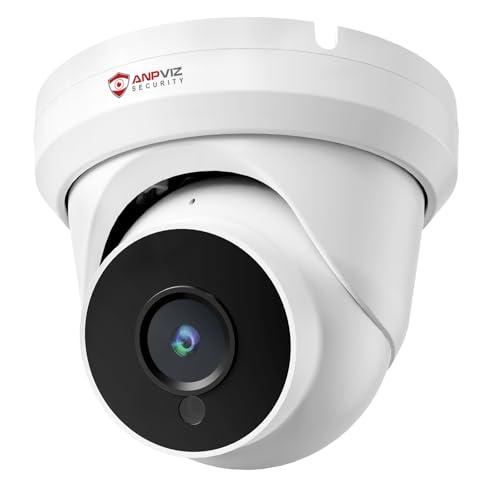
Pros
- 4MP resolution at 2560x1440 and 25fps
- PoE delivers power and data over single cable
- Wide 110-degree field of view with 2.8mm lens
- IP66 waterproof rated full metal enclosure
- Works with Blue Iris, NAS, and ONVIF NVRs
Cons
- Night vision range limited to 50 feet
- Requires wired Ethernet cable, no Wi-Fi option

Pros
- Pre-installed 1TB HDD for continuous recording
- AI human and vehicle motion detection
- IP67 weatherproof rating on outdoor cameras
- Infrared night vision reaches up to 100 feet
- DVR storage expandable up to 10TB
Cons
- Wired setup requires running physical video cables
- Bundled cameras provide 1080p instead of 3K
- Night footage limited to black and white
Power Delivery and Cable Architecture
Hardwired surveillance depends on two primary cabling standards: Power over Ethernet (PoE) and coaxial BNC wiring. PoE systems use Cat5e or Cat6 ethernet cables to carry both electricity and high-bandwidth digital video through a single jacket. Older analog systems split video transmission over coaxial copper and require separate 12-volt power supply wires to every camera location.
Installing ethernet cable offers significant advantages for modern 4K resolutions and smart detection feeds. Ethernet lines run up to 328 feet without signal degradation, whereas analog coaxial lines often introduce video noise over long exterior spans. Understanding what is an NVR and how is it different from a DVR clarifies why ethernet-based network video recorders dominate newer residential builds.
| System Type | Cable Standard | Best Location |
|---|---|---|
| PoE IP | Cat6 Ethernet | Soffits and Attics |
| Analog DVR | Coaxial BNC | Pre-wired Basements |
| Dual-Lens PoE | Cat6 Ethernet | Wide Driveways |
Hardware standards governed by the FCC ensure these digital transmitters do not generate harmful interference across your home network. Opting for PoE also lets you insert network switches between your router and cameras, reducing clutter around your central recording hardware.
Camera Housing and Exterior Mounting
Outdoor cameras face driving rain, baking sun, and freezing temperatures that degrade cheap plastics over time. Dome cameras provide compact profiles that resist physical tampering and vandalism along low entryways. Turret and bullet cameras offer simpler aim adjustments and position lenses away from glass domes that might trap glare from infrared illuminators.
Condensation Risk: Never mount outdoor bullet cameras upside down without adjusting the sunshield, as water can pool near the cable grommet and breach the internal housing.
Check the weather rating before drilling through your exterior walls. Units carrying an IP66 rating repel intense water spray, while IP67 enclosures survive temporary submersion and fine dust penetration. Positioning lenses out of direct sunlight prevents sensor burnout and preserves daytime color balance. You can also monitor your gear status by learning what do the lights on a security camera mean during night operation.
Expert Examined
From Marcus Bell

I keep seeing homeowners drill massive holes through brick because they forgot that ethernet connectors detach. Pull bare cable from the inside out and crimp your RJ45 modular plug at the mounting block to keep exterior wall holes tiny and watertight.
Read more about Marcus BellResolution, Sensor Angles, and Storage Load
Higher resolution demands substantially greater local storage when recording around the clock. An eight-camera 4K setup running continuous video can fill a 2TB hard drive in just a few days if you use older compression formats. Modern systems utilize H.265 compression to shrink file sizes by roughly half compared to legacy formats without reducing sharpness.
Wide-angle lenses capture massive fields of view but spread pixels thinner across the scene. A standard 2.8mm lens offers a 110-degree panorama suitable for backyards, while dual-lens hardware stitches two video sensors together for a full 180-degree sweep. Pairing high resolution with on-device intelligence helps determine do security cameras have facial recognition or basic person detection.
Pro Tip: Format surveillance hard drives directly through your recorder menu rather than a computer to ensure proper sector alignment for non-stop writing.
Matching Hardwired Systems to Your Property
For extensive grounds needing complete perimeter tracking, I would point you to the Hiseeu 4K PoE Security Camera System 8pcs PoE PTZ. It packs eight motorized cameras with 350-degree pan and 90-degree tilt tracking, paired with a pre-installed 2TB hard drive and an expandable 16-channel recorder.
If your priority is covering a broad driveway or street frontage without blind spots, I recommend the Anpviz 4k 8MP Wired Dual Lens PoE IP Camera. Its 180-degree panoramic view replaces two conventional cameras, while active red and blue deterrent lights alert approaching visitors. For budget-friendly standalone coverage on an existing network recorder, the Anpviz 4MP PoE IP Turret Security Wired Camera delivers crisp 1440p footage inside a rugged IP66 metal enclosure.
The Bottom Line
The single mistake most buyers make is underestimating the storage capacity needed for 24/7 recording across multiple 4K cameras. A tiny hard drive forces the recorder to overwrite vital security events after only a few days of activity.
If you only do one thing, map your cable runs through the attic or crawlspace before purchasing any hardware. Knowing where you can realistically drop ethernet cables dictates whether you need four panoramic lenses or eight standard fixed cameras from the wider security cameras marketplace.
FAQs
Do hardwired security cameras record without internet?
Yes. Hardwired PoE and DVR systems record directly to an internal hard drive without an active internet connection. You only need internet access if you plan to view live video feeds or receive push notifications on your smartphone.
Can you splice cut ethernet security camera cables?
You can splice ethernet lines using junction boxes or inline keystone couplers, but running a fresh uninterrupted cable is far more reliable. Splicing outdoor wiring increases electrical resistance and invites moisture damage over time.
What gauge wire is best for PoE cameras?
Solid copper Cat6 cable with 23 AWG or 24 AWG conductors works best for Power over Ethernet installations. Avoid copper-clad aluminum wire because it generates excessive heat under continuous power loads.
How far can you run a hardwired security camera?
Standard PoE network cables carry power and video up to 328 feet (100 meters) from the recorder or switch without signal amplifiers. Analog coaxial lines can extend up to 500 feet but suffer from image noise.
Sources
- Federal Communications Commission www.fcc.gov
- National Fire Protection Association www.nfpa.org