
Shopping for the best zigbee smart thermostats starts with identifying the heating equipment, not the app you prefer. The key split is between wall thermostats, radiator valves, and electric floor-heating controls, so your choice depends on the room and the compatible hub already in your home.
Pros
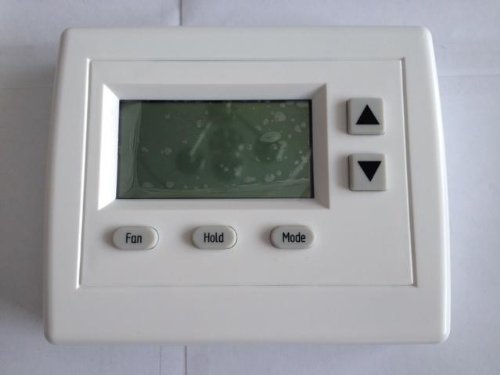
- Programmable thermostat format
- Zigbee connectivity
- Listed Xfinity, Comcast, and Time Warner compatibility
- Lightweight 0.9-pound design
Cons
- Not a smoke or carbon monoxide alarm
- Limited specifications in the listing

Pros
- SmartThings, SwannOne, and Almond compatibility
- Personalized installation and wiring instructions
- Simple LED screen with limited icons
- Supports scheduling and remote control
Cons
- Compatible hub required for scheduling
- Additional ZigBee platform support is pending

Pros
- 5+1+1 weekly programming
- Manual and programmable modes
- Alexa voice control
- Child lock and power-off protection
Cons
- Zigbee hub required, sold separately
- Designed for water heating and boilers
Pros
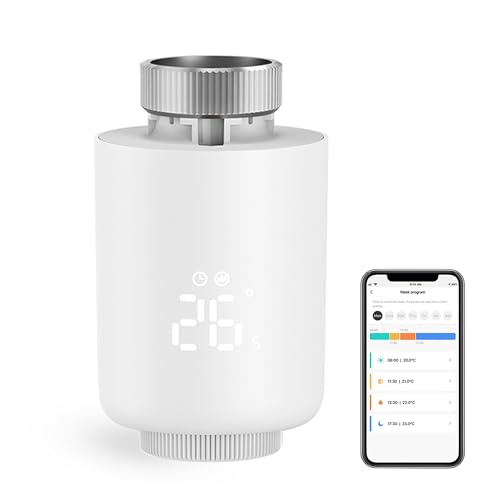
- Tuya and Smart Life app control
- Alexa and Google Home voice control
- 5+2, 6+1, and 7-day schedules
- Temperature range from 5°C to 45°C
Cons
- Tuya Zigbee hub required separately
- Setup depends on a compatible smart-home system

Pros
- Battery-powered installation, no separate AC wiring
- Smart Life/Tuya app remote control
- Voice assistant compatibility
- 5+2, 6+1, or 7-day scheduling
Cons
- Battery-dependent rather than AC-powered
- Requires Zigbee-compatible smart-home setup

Pros
- 0.5°C temperature accuracy
- 5 to 35°C adjustable range
- Seven-day schedule with six daily phases
- App and Alexa remote control
Cons
- Zigbee hub required and sold separately
- Made for electric floor heating systems
Match the thermostat to the heating system
A wall-mounted thermostat makes the most sense when you need to control a central heating or cooling setup. The Smart Thermostats category is useful for checking the difference between general room controls and equipment-specific devices before you buy.
The Zigbee ecosystem matters because several products require a hub sold separately. Zen Thermostat – ZigBee Edition works with SmartThings, SwannOne, and Securifi Almond systems, while the ngnsky programmable model and both Tuya-focused options need a compatible Zigbee hub for remote features.
Pro Tip: Confirm the thermostat’s heating-system type and hub requirement before removing your existing control.
Hub compatibility changes the ownership experience
Zen Thermostat – ZigBee Edition is the clearest choice for households already using one of its named connected-home hubs. Its interactive installation guide creates personalized wiring instructions, and its display uses icons only when needed.
The ngnsky programmable wall thermostat adds Alexa voice control, weather and humidity information, child lock, power-off protection, and a Smart Life app after hub connection. ChicBosom Smart Thermostat for Tuya Zigbee also uses Smart Life or Tuya, supports voice assistants, and avoids a separate AC power supply because it is battery-powered.
| Device type | Key control feature | Best fit |
|---|---|---|
| Wall thermostat | Hub-based remote control | Central heating zones |
| Radiator valve | Room-level temperature | Radiators and pipes |
| Floor thermostat | 5 to 35°C range | Electric floor heating |
Power and scheduling deserve close attention
Battery operation can simplify placement, but it creates a maintenance responsibility. ChicBosom is explicitly battery-powered, whereas the other product descriptions focus on wiring, hub connection, or a particular heating installation rather than stating a battery format.
Scheduling is broad across this group, but the formats differ. The ngnsky programmable thermostat offers 5+1+1 scheduling with six periods per day, the radiator valve supports 5+2, 6+1, and 7-day options, and the electric-floor model supports automatic programming or 5+1+1 scheduling with six phases daily.
Before You Mount It: Do not assume a Zigbee connection makes an incompatible heating system safe to control. Match the product’s stated use, and follow the wiring or installation instructions for your equipment.
Expert Examined
From Ray Okafor

I keep seeing smart-home purchases fail at the compatibility step rather than the app step. The practical fix is to identify the heating hardware first, then confirm the hub and power arrangement before choosing a faceplate or mounting location.
Read more about Ray OkaforUseful features depend on the room
A radiator valve is a room-by-room solution rather than a general replacement for every thermostat. SENCKIT’s valve offers vacation, comfort, automatic, manual, and energy-saving modes, plus window-opening and child-lock functions, making its feature set suited to rooms that need separate schedules.
For electric floor heating, the ngnsky model is more narrowly targeted. It offers 0.5°C accuracy, a 5 to 35°C adjustable range, Tuya Zigbee gateway support, app control, Alexa compatibility, and a white LCD display designed to sit into the wall.
Readers comparing connected safety devices may also want to review Zigbee smoke detectors for Home Assistant to understand why device and hub compatibility should be checked across the whole home.
Which thermostat fits your home
I would point you to Zen Thermostat – ZigBee Edition if your home already uses SmartThings, SwannOne, or a compatible Securifi Almond hub and you want a simple display with guided wiring instructions. Its scheduling and remote-control features depend on that connected-home hub, so it is not the right choice for a hub-free setup.
I would choose Smart Thermostat Radiator Valve for a room where radiator-level control matters more than replacing a central wall thermostat. Its Tuya hub requirement, weekly schedules, temperature range, and room-focused modes make the intended use clear.
For electric floor heating, I would select Zigbee Smart Thermostat for Electric Floor. It is specifically described for that system, supports Tuya Zigbee gateway control, and combines app, voice, scheduling, and temperature-range features in one wall unit.
The Bottom Line
The mistake most buyers make is treating Zigbee as proof that every thermostat works with every heating system or hub. These products are divided by equipment type and ecosystem, with radiator valves and electric-floor controls serving very different roles from general wall thermostats.
If you only do one thing first, identify the heating system and write down the hub you already own. Then choose the model whose stated system, app, and power arrangement match those details.
FAQs
A wall thermostat suits a broader central heating or cooling control point, while a radiator valve is intended for room-level adjustment at the radiator. Choose based on the hardware you need to control, not only the Zigbee label. Several do. Zen requires a compatible connected-home hub for scheduling and remote control, while the ngnsky and SENCKIT options specify a Zigbee hub sold separately. Confirm the ecosystem before purchase. ChicBosom Smart Thermostat for Tuya Zigbee is described as battery-powered and does not need a separate AC power supply. The other listings do not provide the same battery detail, so check their installation requirements before ordering. No. Zigbee describes the wireless connection, not a safety certification. The supplied product information does not list a certification for these models, so ask the manufacturer for applicable documentation before installation.Should I choose a wall thermostat or radiator valve?
Do these Zigbee thermostats need a hub?
Which model is battery-powered?
Does Zigbee mean the thermostat is safety certified?
Sources
- National Fire Protection Association www.nfpa.org
- UL Solutions www.ul.com
- US Consumer Product Safety Commission www.cpsc.gov