
Shopping for the best wireless security cameras means deciding whether sharper footage, longer battery life, or subscription-free storage matters most. This selection suits homeowners placing cameras around doors, driveways, porches, and backyards.

Pros
- Crisp 2K resolution with 4x digital zoom
- Up to two-year battery life with included AAs
- Weather-resistant IP-65 housing handles rain and dust
- Noise-canceling two-way audio for clear speech
Cons
- Requires separate Sync Module, not included in box
- Person and vehicle alerts require a paid subscription

Pros
- Built-in 5200mAh rechargeable battery
- Night vision reaches 33 feet in darkness
- AI detection separates people from cars and pets
- Two-way audio communication via smartphone
Cons
- Cloud storage sold separately
- Pre-roll recording requires cloud subscription
- Restricted to 2.4GHz Wi-Fi networks

Pros
- Two-year life from included AA lithium cells
- 1080p HD live view with infrared night vision
- Dual-zone enhanced motion detection
- Built-in two-way audio via smartphone app
Cons
- Sync Module required and sold separately
- Person detection requires an optional subscription

Pros
- 2.5K video with color night vision
- AI human and motion detection
- Wireless battery-powered installation
- IP65 weatherproof housing
Cons
- 2.4GHz Wi-Fi only, no 5GHz support
- MicroSD card sold separately
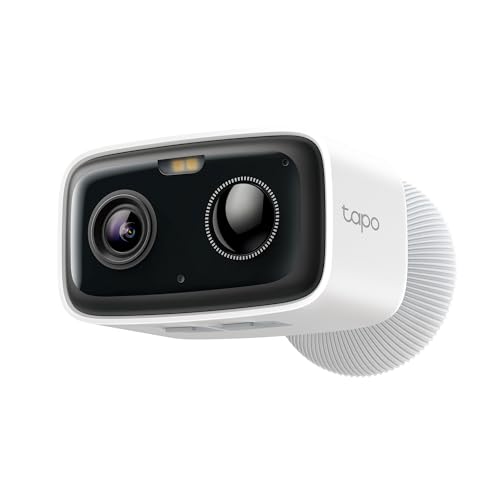
Pros
- Up to 180-day life from 5200mAh rechargeable battery
- On-device person detection without monthly fees
- Local video storage on microSD cards up to 512GB
- IP65 weather-resistant casing for outdoor durability
Cons
- MicroSD card not included in the box
- Google streaming restricted to Chromecast and Nest displays

Pros
- On-device AI detection without extra monthly fees
- Snap-on magnetic mount with ball-joint positioning
- Local microSD storage supported up to 128GB
- Color night vision with spotlight up to 33 feet
Cons
- No Alexa, Google Home, or HomeKit support
- Incompatible with 5GHz Wi-Fi networks
- MicroSD card not included in the package
Match the Camera to the Area
Start with the view you need rather than the advertised resolution. A driveway or backyard may benefit from 2K detail, color night vision, and a wide-angle lens, while a smaller porch may only need clear 1080p video and reliable motion alerts.
Wireless does not mean every model works with every network. SensForge 2.5K Wireless Security Camera and Dzees 2K Wireless Security Camera Outdoor support 2.4GHz Wi-Fi only, while the Wynoxian 1080P Outdoor Wireless Security Camera also uses optimized 2.4GHz connectivity. Check your router location before mounting.
Weather resistance matters for exposed locations. Blink Outdoor 2K+ (newest model), Tapo 1080p Outdoor Wireless Security Camera, Dzees 2K Wireless Security Camera Outdoor, and SensForge 2.5K Wireless Security Camera list IP65 protection, which is intended for resistance to dust and water exposure, not submersion.
Pro Tip: Place the camera high enough to discourage tampering, but keep faces and packages within the useful viewing area. Confirm the live view before tightening the mount.
Battery Life Versus Maintenance
The stated battery range varies widely. Blink Outdoor 2K+ (newest model) and Blink Outdoor 4 – Wireless smart security camera advertise up to two years with included AA Energizer lithium batteries, though both require a Sync Module sold separately.
Tapo 1080p Outdoor Wireless Security Camera uses a rechargeable battery rated for up to 180 days under typical use. Dzees 2K Wireless Security Camera Outdoor lists up to three to six months per charge, and Wynoxian 1080P Outdoor Wireless Security Camera has a rechargeable 5200mAh battery. Frequent motion can increase charging needs.
| Battery approach | Stated runtime | Useful placement |
|---|---|---|
| AA lithium | Up to two years | Areas hard to reach |
| Rechargeable | Up to six months | Accessible outdoor walls |
A magnetic mount can make repositioning and charging easier, but it can also be easier to remove. SensForge and Dzees both use magnetic mounting approaches, so place them where the camera remains secure and the charging routine is practical.
Before You Mount It: Do not assume the camera includes every accessory needed for operation. Blink models listed here require a Sync Module sold separately, while storage cards for some other cameras are also separate purchases.
Storage and Smart Alerts
Storage affects both privacy and ongoing maintenance. Tapo supports local microSD storage up to 512GB and optional cloud storage, while Dzees supports a microSD card up to 128GB and does not require a subscription for core AI detection.
Blink Outdoor 4 – Wireless smart security camera offers cloud storage through an optional plan and local backup through compatible Sync Module equipment and a USB drive or MicroSD card. Blink Outdoor 2K+ (newest model) offers person and vehicle notifications with an optional subscription plan.
Smart detection can reduce alerts caused by ordinary movement, but you still need sensible motion zones. Dzees identifies people, pets, packages, and vehicles, while Tapo provides person detection without a subscription. For broader context on recognition features, see how security cameras handle facial recognition.
Expert Examined
From Dana Whitfield

I keep cameras aimed away from branches, reflective surfaces, and busy sidewalks because those areas create unnecessary alerts. The mistake I see most often is mounting first and adjusting the detection zone later, so I set the view and alert boundaries before finalizing the hardware.
Read more about Dana WhitfieldFor footage that may matter after an incident, save clips promptly and understand whether they remain locally stored or depend on a cloud plan. The rules around security camera footage can also depend on how recordings were obtained and preserved.
Which Camera Fits Your Home
I would put Blink Outdoor 2K+ (newest model) at a driveway or side entrance when sharper 2K video, low-light color, four-times zoom, and long AA battery life are priorities. Its IP65 design adds useful protection for exposed outdoor placement, but remember to budget space and equipment for the required Sync Module.
I would point you to Tapo 1080p Outdoor Wireless Security Camera for a homeowner who wants person alerts without a subscription and prefers local microSD storage. Its Alexa and Google Assistant compatibility also suits a home already using supported smart displays.
For a flexible mounting spot, I would choose Dzees 2K Wireless Security Camera Outdoor. The magnetic base, 2K color night vision, free AI detection, and local storage make it useful for a porch or garage, provided your network supports 2.4GHz Wi-Fi and you do not need Alexa, Google Home, or Apple HomeKit compatibility.
The Bottom Line
The biggest mistake is treating all wireless cameras as equally simple to install. Battery type, network band, storage method, weather exposure, and required accessories can change the daily ownership experience more than resolution alone.
If you only do one thing first, inspect the mounting location and confirm its Wi-Fi band before choosing a model. Then select the camera whose battery and storage setup you can maintain without moving the goalposts later.
FAQs
A camera with sharper resolution, a wide viewing angle, and useful night vision can make driveway details easier to see. Consider 2K models when identifying packages or vehicles matters, and confirm that the camera can maintain a suitable connection from the mounting location. Mount it high enough to reduce casual tampering while keeping the entry path, faces, and delivery area visible. Avoid aiming directly at bright lights, reflective surfaces, or moving branches, and check the live view before securing the mount. It depends on the battery design and how often motion triggers recordings. The products listed range from stated runtimes of up to two years with AA lithium batteries to several months with rechargeable batteries, so choose an accessible mounting point for regular maintenance. IP65 indicates protection against dust and water jets under specified conditions. It does not mean the camera should be submerged, so use the listed weather rating as one part of placement planning rather than as permission to expose the device to standing water.Which camera type works best for a driveway?
Where should I mount an outdoor wireless camera?
How often do wireless security cameras need charging?
What does IP65 mean on a security camera?
Sources
- UL Solutions www.ul.com
- US Consumer Product Safety Commission www.cpsc.gov