
Choosing the best water leak detectors for basement protection means matching the sensor reach to the places water may first appear. A compact probe suits a water heater or floor drain, while a wired or extended probe makes more sense near a sump pump or hidden pipe. Renters, homeowners, and property managers can use the same decision points.
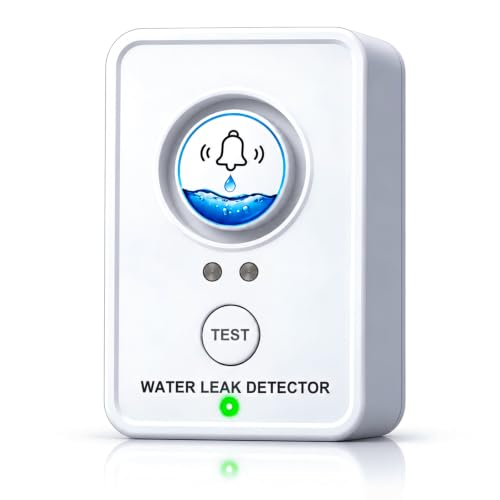
Pros
- 100dB siren for fast water alerts
- Four volume levels, including mute
- Compact placement under sinks and appliances
- Up to five-year battery life
Cons
- Requires two AAA battery replacements
- Mute mode provides visual alerts only

Pros
- 120dB alarm with four adjustable volume levels
- Top drip sensor catches overhead leaks
- Four bottom probes detect floor flooding
- Low-battery alert with flashing red indicator
Cons
- Requires two AAA batteries
- Alarm rating differs between title and features

Pros
- Five-pack covers multiple leak-prone areas
- Detachable 5-foot extension probe
- Adjustable alarm volume up to 120dB
- Low-battery LED and audible alert
Cons
- Uses two AAA batteries per detector
- Longer probe extensions sold separately

Pros
- Loud 120dB alarm
- Bulk 10-pack for multiple locations
- 37.8-inch cable reaches tight spaces
- Reusable 24K-plated sensor
Cons
- 9V alkaline battery not included
- Alarm continues until water dries or shut off

Pros
- 100dB alarm for audible leak warnings
- Front and rear water-sensitive probes
- Wireless placement with no installation required
- Over two years standby time
- IP66 waterproof ABS and stainless steel build
Cons
- 2 AAA batteries require periodic replacement
- Mute function requires pressing the alarm button

Pros
- Loud 120dB alarm for immediate alerts
- 37.8-inch cable reaches difficult corners
- Reusable sensor board after drying
- Three-pack covers multiple leak-prone areas
Cons
- 9V alkaline battery not included
- Included cable is under four feet
Start With the Basement’s Leak Paths
Place a detector where water will collect first, not where it is easiest to see later. Good locations include beside a water heater, below exposed pipes, near a washing machine, next to a floor drain, and at the sump pump. A detector on a dry shelf may stay silent while water spreads across the floor.
Probe style matters in a basement because leaks do not all arrive from the same direction. Top drip probes can catch water falling from a pipe or faucet, while bottom probes respond to floor moisture and accumulating floodwater. A cable probe lets the alarm remain in a reachable position while the sensing board sits in a narrow or awkward space.
For broader placement advice, review where water leaks start in a house. That information can help you decide whether one alarm belongs under an appliance, beside plumbing, or at a low point in the room.
Pro Tip: Place the sensing contacts at the lowest practical point, but keep the alarm body where you can reach its controls and battery compartment.
Match Probe Reach to the Equipment
Standalone units with contacts on the alarm body are convenient for open floors and small spaces. The Water Leak Detector Alarm measures 85 by 53 by 29 millimeters and uses dual metal probes, making that format useful under sinks, beside toilets, or next to a basement appliance.
For a sump pump, pit edge, or hidden corner, a detachable or cabled probe can be easier to position. STECHRO includes a 5-foot extension probe, while Topvico includes a 37.8-inch cable and says the cable can be extended beyond 150 feet with standard electrical wire, which is not included.
| Sensor format | Main strength | Basement placement |
|---|---|---|
| Body probes | Simple floor detection | Open floor areas |
| Extension probe | Reaches narrow spaces | Sump pump or pit |
| Cable sensor | Separates alarm unit | Remote corners |
A cable does not automatically mean remote notification. These products are standalone alarms, so you need to be close enough to hear the siren. For a basement separated from living areas, choose a louder setting and place the alarm where sound can travel.
Keep the Sensor Accessible: Do not bury the sensing board under insulation, boxes, or stored belongings. A covered probe may miss rising water, and a blocked alarm may be difficult to silence or inspect.
Battery Life and Alarm Controls Matter
Most of these detectors use AAA batteries, while both Topvico models use a 9V alkaline battery that is not included. Battery choice affects setup, so check the required format before placing several alarms around the basement. METAK and STECHRO also provide low-battery alerts, which can reduce the chance of leaving an inactive unit in service.
Alarm volume is another practical distinction. METAK and STECHRO advertise up to 120dB with adjustable levels, while the Lyjinbc unit offers a 100dB siren with four sound levels, including mute. Mute can be useful near a bedroom, but a silent detector depends on its flashing indicator being noticed.
I keep battery compartments and sensor contacts easy to reach because stored items tend to migrate around basement equipment. The mistake I see is treating a detector as a set-and-forget device instead of checking its indicator, contacts, and battery at regular intervals.
Expert Examined
From Dana Whitfield

I keep one clear path around every alarm so water can reach the contacts and I can inspect the unit quickly. The mistake I see is placing boxes in front of a detector after installation, so mark the location and leave the sensor visible.
Read more about Dana WhitfieldFor wider basement planning, consider how a sump pump alarm works alongside a water detector. A leak sensor can identify water at the floor, but the right placement still determines how early it sounds.
Which Detector Fits Your Basement
For broad coverage across a home, basement, RV, or property with many risk points, I would choose the . The ten-pack supplies multiple alarms, and each has a 37.8-inch cable, a 120dB alarm, adhesive mounting options, and a 9V battery design. It is especially suited to property managers or owners who want several fixed detection points.
For one compact location, I would consider the . Its small body, dual metal probes, four sound levels, and included AAA batteries fit a simple placement beside a water heater, washing machine, or basement pipe.
The Bottom Line
The biggest mistake basement buyers make is choosing a loud alarm without considering whether its sensor can reach the first place water will collect. A 120dB siren cannot compensate for a probe positioned away from a sump pit, hidden corner, or low floor area.
Start by walking the basement after plumbing, appliances, and stored items are in place. Mark the lowest and hardest-to-reach leak points, then select body probes, an extension probe, or a cable sensor based on those locations.
FAQs
Floor probes suit open areas where the alarm can sit directly beside a likely leak. A cable or extension probe is more practical when the sensing point is inside a narrow space, near a sump pump, or separated from the place where you need to reach the controls. Place it beside a water heater, exposed pipe, washing machine, floor drain, or sump pump where water could collect first. Keep the sensing contacts uncovered and accessible, and avoid placing the alarm behind boxes or other stored items. Check the battery indicator and sensor contacts on a regular household maintenance schedule. Replace the required AAA or 9V battery when indicated, and keep metal contacts clean and dry so the detector can respond when water reaches them. A standalone detector only alerts you to water according to the product features provided. It does not automatically close a supply valve, so you should know how to shut off the water main before a basement leak occurs. IP66 is a protection rating associated with resistance to dust and powerful water jets under specified conditions. It does not mean the detector can be submerged indefinitely, so follow the product instructions and keep the alarm body out of standing water.Should a basement leak detector use floor probes or a cable sensor?
Where should I place a water detector in a basement?
How often should I check the batteries and contacts?
Does a water leak detector shut off the water supply?
What does IP66 mean on a water detector?
Sources
- US Consumer Product Safety Commission www.cpsc.gov
- UL Solutions www.ul.com
- NFPA www.nfpa.org