
Choosing the best under sink water leak detectors means matching the alert method to your home, especially whether you need a phone notification or a sound at the cabinet. Renters, homeowners, and property managers each need a placement plan that catches slow drips before water reaches flooring.

Pros
- Supports up to 24 WD61 sensors
- 328-foot maximum transmission range
- Top drip and bottom flood detection
- Adjustable alarm volume up to 120dB
Cons
- Gateway supports 2.4GHz WiFi only
- Requires TUYA Smart App for alerts
Pros
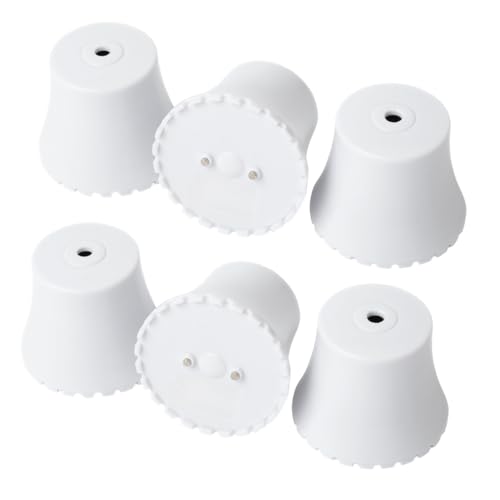
- No setup, tools, app, or battery installation
- Up to 95 dB alarm at leak source
- Compact size fits tight locations
- Reusable after drying the sensing prongs
Cons
- Factory sealed battery is not user replaceable
- Best for nearby leaks, not whole floor coverage
Pros
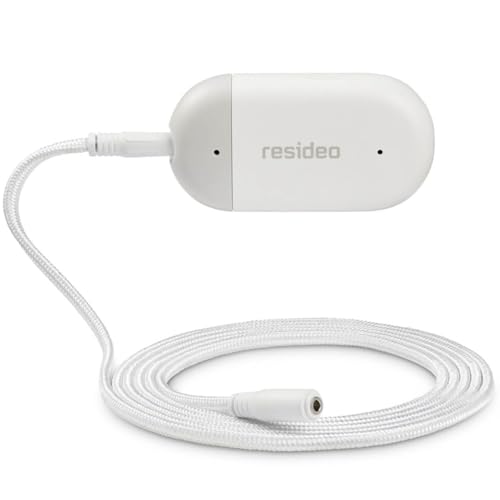
- Water-sensing cable detects leaks along its entire length
- Push and email notifications for remote alerts
- 100-decibel alarm with LED status lights
- Extendable sensor coverage up to 500 feet
Cons
- Only a 5-foot cable is included
- Requires the separate L5 valve for automatic shutoff

Pros
- Five-pack covers multiple leak-prone areas
- Detachable 5-foot extension probe
- Adjustable alarm volume up to 120dB
- Low-battery LED and audible alert
Cons
- Uses two AAA batteries per detector
- Longer probe extensions sold separately

Pros
- Loud 120dB alarm
- Bulk 10-pack for multiple locations
- 37.8-inch cable reaches tight spaces
- Reusable 24K-plated sensor
Cons
- 9V alkaline battery not included
- Alarm continues until water dries or shut off

Pros
- Loud 120dB alarm for immediate alerts
- 37.8-inch cable reaches difficult corners
- Reusable sensor board after drying
- Three-pack covers multiple leak-prone areas
Cons
- 9V alkaline battery not included
- Included cable is under four feet
Start With the Leak Path
Under a sink, water may drip from a faucet connection, supply line, drain, or filter. A floor sensor works well for water that spreads beneath the cabinet, while a cable or probe can reach behind plumbing and into narrow corners. Keep the sensing surface flat and accessible for drying.
Do not place an alarm where stored items can push it away from the likely drip path. For broader household coverage, use additional units near toilets, water heaters, washing machines, and sump pumps. The article on where water leaks start in a house can help you map higher-risk locations.
Place for the First Drip: Put the sensing contacts at the lowest point where water would collect, not on a shelf or cabinet wall.
Choose the Alert Style for the Room
A standalone alarm is straightforward for a kitchen cabinet or bathroom because it sounds at the leak location. Flood Buzz Water Leak Alarms for Homes uses a sealed factory-installed battery and produces up to 95 dB. Topvico models provide 120 dB alarms, with cable sensors suited to distant corners and rising water near a sump pump.
A connected detector is more useful when you may be away from home. WiFi Water Leak Detector for Home with App Alert uses a 2.4GHz gateway and TUYA Smart App notifications, while the Resideo CHW3610W8001 WiFi Water Leak Detector adds freeze and humidity alerts, email and mobile notifications, and a 5-foot cable sensor.
| Device type | Main alert | Suitable placement |
|---|---|---|
| Standalone alarm | Local sound | Cabinet or bathroom |
| WiFi detector | Phone notification | Home or vacation property |
| Cable probe | Remote sensing point | Sump pump or tight space |
WiFi equipment also adds setup requirements. The METAK gateway does not support 5GHz WiFi, and its gateway expands only with WD61 sensors. Confirm your network and compatible sensor model before mounting multiple units.
Before You Mount It: A phone alert is not a substitute for a nearby audible alarm if nobody will receive notifications during an outage or connectivity problem. Keep a local alarm in high-risk areas and inspect its power source.
Power, Resetting, and Coverage
Battery format affects maintenance. The Flood Buzz unit has a factory-sealed battery that is not user-replaceable and includes a replace-by date. Topvico units use a 9V alkaline battery, while the STECHRO five-pack uses two AAA batteries per detector and provides a low-battery indication.
Reusable sensing is valuable under a sink because a small drip can recur. Flood Buzz can be wiped dry after activation, and the Topvico sensor board is designed to work again after drying. Resideo also requires the cable sensor to be completely dry before reconnecting it.
Expert Examined
From Jenna Castellano

I keep the sensing point visible rather than burying it behind cleaning supplies. The mistake I see most often is placing the alarm beside the plumbing instead of at the low point where the first drops will gather, then forgetting to check the battery or reset condition.
Read more about Jenna CastellanoFor an overview of sump-related alerts, see what a sump pump alarm does. A detector warns you, but it does not automatically stop the water. If you need shutoff action, understand whether water sensors shut the water off before assuming an alarm controls a valve.
Matching the Alarm to Your Kitchen
I would put WiFi Water Leak Detector for Home with App Alert under a sink in a home where remote phone notifications matter. Its gateway can pair with up to 24 WD61 sensors, and its top drip sensor plus bottom flood probes cover both falling drops and water on the cabinet floor.
I would point renters or anyone who wants immediate placement toward Flood Buzz Water Leak Alarms for Homes. It needs no app, tools, or battery installation, and its compact body fits behind toilets, below dishwasher kick plates, and inside cabinet corners.
For a property with several utility points, I would choose Topvico Water Leak Detector Alarm, 120dB. The 10-pack supports broad placement, its 37.8-inch cable reaches difficult areas, and the cable can be extended with standard electrical wire when a sump pump or water heater needs a distant sensing point.
The Bottom Line
The most common mistake is selecting an alarm by decibel rating alone. A loud sensor in the wrong spot can miss a slow drip, while a quieter unit placed at the collection point can alert you sooner. Match the sensor shape, cable reach, and alert method to the actual plumbing layout.
If you only do one thing first, inspect the cabinet with a flashlight and identify the lowest place water can collect. Put the sensing contacts there, keep the alarm reachable for maintenance, and add a second detector at another high-risk connection rather than relying on one device for the whole home.
FAQs
A floor sensor suits water that spreads across the cabinet base. A cable probe is better when the likely leak is behind plumbing or in a narrow, hard-to-reach area. Place either sensing surface at the lowest point where water will gather first. Place it beneath supply-line connections, filters, and drain fittings, but keep its sensing contacts on the cabinet floor or another low collection point. Do not bury it under stored items, since movement can block contact with water or make maintenance difficult. Battery needs depend on the device design. Check replace-by dates for sealed units, watch low-battery indicators on models that provide them, and use the specified battery type. After an alarm, dry the sensor fully and reset or reconnect it as directed. A detector generally provides an audible or connected alert, but the products listed here do not state that they include an automatic shutoff valve. A separate water-control system is needed for shutoff action, so do not assume an alarm stops the leak. A certification mark should identify an applicable safety standard and an organization responsible for evaluating the product. Check the packaging and manufacturer documentation for the exact mark rather than treating every symbol as proof of the same protection. UL Solutions explains its role at UL Solutions.Should I use a floor sensor or cable probe under a sink?
Where should a water leak detector go under a sink?
How often do water leak detector batteries need attention?
Does a water leak detector shut off the water automatically?
What does a safety certification on a detector mean?
Sources
- US Consumer Product Safety Commission www.cpsc.gov
- UL Solutions www.ul.com
- National Fire Protection Association www.nfpa.org