
Installing the best smoke and CO detectors prevents the clutter of dual ceiling mounts while maintaining rapid response to both smoldering fire and invisible gas leaks. The core split in this category separates standalone sealed-battery units from interconnected alarms that sound throughout the entire property. Homeowners must balance local building codes with the wiring infrastructure already inside their walls.

Pros
- Built-in 10-year lithium battery eliminates replacements
- Photoelectric sensor cuts down on cooking false alarms
- Electrochemical sensor provides dedicated carbon monoxide detection
- Meets UL 217 and UL 2034 safety certification standards
Cons
- No wireless interconnection to alert other rooms
- Lacks Wi-Fi or base station connection support

Pros
- Wireless interconnection, sounds all units together
- Sealed 10-year battery, zero replacements needed
- Photoelectric smoke and electrochemical CO sensors
- Built-in LCD display for readings
- UL 217 and UL 2034 certified
Cons
- No Wi-Fi support, no mobile alerts
- Battery-only operation, not compatible with hardwiring

Pros
- Sealed 10-year lithium battery needs no replacements
- Bilingual English and French 85dB voice alerts
- Dual-wave sensing reduces kitchen false alarms
- Certified to UL 217 and UL 2034 standards
Cons
- Standalone design lacks multi-room interconnectivity
- Permanently sealed battery cannot be replaced
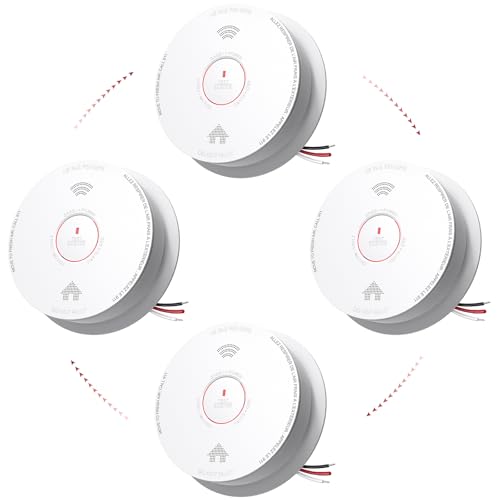
Pros
- Photoelectric dual-wave sensor reduces cooking false alarms
- Bilingual voice alerts for smoke and carbon monoxide
- Hardwired interconnection links up to 18 detectors
- Sealed 10-year backup battery avoids annual replacements
- UL 217 and UL 2034 certified
Cons
- Requires hardwired electrical connections for installation
- Hardwired interconnect only, lacks wireless linking

Pros
- UL 217 10th Edition certified smoke sensing
- Electrochemical sensor reads CO up to 2000 ppm
- Sealed 10-year battery eliminates annual replacements
- Loud 85dB horn with silence button
Cons
- Non-replaceable battery requires replacing the whole unit
- Not hardwired for existing electrical junction boxes

Pros
- Sealed 10-year lithium battery eliminates annual swaps
- Dual-beam photoelectric sensor minimizes false cooking alarms
- UL 217 10th Edition and UL 2034 5th Edition certified
- Loud 85 dB audible siren with flashing LED alert
Cons
- No wireless interconnectivity to link units together
- Sealed battery cannot be replaced once depleted
Interconnection Versus Standalone Coverage
Standalone alarms operate independently, sounding an internal siren only when smoke or carbon monoxide reaches that specific sensor. These self-contained units suit single-level apartments or compact homes where a hallway siren is audible from any bedroom. In multi-story layouts, standalone alarms leave sleeping areas vulnerable to hazards starting in basements or distant utility spaces.
Interconnected systems eliminate that delay by sounding every alarm across the house when one unit detects danger. Modern wireless models communicate across radio frequencies without new wiring, while hardwired versions tie into standard residential electrical lines. Guidance from the home safety detection sector and the National Fire Protection Association recommends placing alarms on every level and outside all sleeping areas.
Interconnect Compatibility: Never mix different brand lines on an existing hardwired interconnect loop. Incompatible communication voltages between manufacturers can damage circuit boards or prevent interconnected sirens from triggering during an emergency.
Sensing Technology and False Alarm Resistance
Modern combination units pair photoelectric smoke sensors with electrochemical carbon monoxide sensors. Photoelectric chambers detect light scattered by large smoke particles, responding rapidly to smoldering furniture fires. Electrochemical sensors track carbon monoxide concentrations through chemical reactions, registering toxic gas from minor levels to severe hazards.
Cooking smoke frequently causes nuisance alarms, tempting residents to disconnect their units. Upgraded dual-wave optical sensors differentiate harmless kitchen vapor from genuine fires. These chambers comply with updated standards from UL Solutions, preventing nuisance chirps without compromising fire detection.
Expert Examined
From Jenna Castellano

I frequently see homeowners mount combo alarms directly outside bathroom doors, where hot shower steam degrades electrochemical sensors over time. Keep your detectors at least three feet away from bathroom entries and ten feet from primary cooking appliances to prevent unnecessary chirping.
Read more about Jenna CastellanoPower Configurations and State Safety Mandates
State regulations heavily influence which alarm types you can install. Multiple states mandate ten-year sealed lithium batteries to eliminate annual battery replacements. These sealed detectors run continuously for a full decade before sounding an automated end-of-life alert to signal replacement.
Hardwired units remain standard for newer construction, drawing continuous grid power with battery backup for outages. Reviewing compatible home security systems alongside life-safety devices ensures comprehensive coverage. Verifying local fire codes before purchasing prevents costly renovation delays.
| Power System | Interconnect Style | Ideal Placement |
|---|---|---|
| Sealed Battery | Standalone Unit | Single-story homes and apartments |
| Wireless Battery | Radio Interconnect | Multi-level homes without wiring |
| AC Hardwired | Wired Interconnect | New construction and remodels |
Placement Clearance: Mount ceiling detectors at least four inches away from side walls to avoid the dead air space where smoke fails to circulate promptly.
Choosing the Right Units for Your Floor Plan
For multi-level households lacking pre-existing interconnect cables, I would point you to the X-Sense Interconnected Smoke and CO Detector. Its wireless radio network triggers alarms simultaneously across separate floors, ensuring a basement hazard wakes sleeping occupants upstairs. The sealed decade-long lithium battery eliminates seasonal battery swaps and late-night chirps.
If your residence already features an AC wiring harness, I recommend installing the Siterlink Hardwired Smoke Detector and Carbon. This model integrates up to 18 units on a single loop and delivers bilingual voice warnings that specify whether smoke or toxic gas triggered the alert. That instant vocal distinction saves critical evacuation seconds during dark, chaotic emergencies.
For single bedrooms, secondary living areas, or rental apartments, the standalone Heiman smoke detector carbon monoxide detector is an ideal choice. It provides certified UL 217 10th Edition synthetic fire sensing and electrochemical tracking without requiring wall remodeling or complex tools. You can review additional property protection strategies on our safety blog as you map out device placement.
The Bottom Line
The most frequent error homeowners make is assuming an isolated alarm will wake family members across a multi-story home. Closed bedroom doors muffle sound dramatically, delaying evacuation during rapid emergencies.
First, inspect your ceiling mount locations to verify whether you have hardwired interconnect cables or require battery units. Once you confirm your home wiring layout, install matching dual-sensor detectors on every living level. Coordinating life-safety alarms with options like the best home security systems ensures continuous property oversight.
FAQs
Where should combination smoke and carbon monoxide detectors be mounted?
Install them on the ceiling at least four inches away from side walls, or high on walls between four and twelve inches below the ceiling. Place at least one detector on every level of your home, including the basement, and directly outside each sleeping area.
Why do combination detectors need replacement after ten years?
While modern sealed lithium batteries function for a decade, electrochemical carbon monoxide sensors degrade chemically over time. Environmental dust, humidity, and ambient air exposure reduce sensing accuracy after ten years. Replacing the entire unit guarantees active, certified monitoring for the next decade.
Can I replace a hardwired smoke alarm with a battery-only combo unit?
Building codes generally mandate maintaining existing AC hardwired systems if the electrical infrastructure already exists. Swapping a hardwired alarm for a battery-only model can violate regional residential safety codes. It also severs the shared communication line that triggers whole-home sirens during an emergency.
What is the difference between UL 217 8th Edition and 10th Edition?
The 10th Edition introduces strict detection criteria for rapid-burning synthetic fuels found in modern home furnishings. It also adds advanced cooking nuisance immunity tests. These requirements prevent false alarms from harmless kitchen vapor while maintaining quick emergency response times.
Sources
- National Fire Protection Association www.nfpa.org
- UL Solutions Standards www.ul.com
- U.S. Consumer Product Safety Commission www.cpsc.gov