
Shopping for the best smart locks under $200 gets easier once you decide whether your household values biometric entry, direct Wi-Fi control, or broad code sharing. This selection suits homeowners and renters who want keyless access without giving up a mechanical backup.
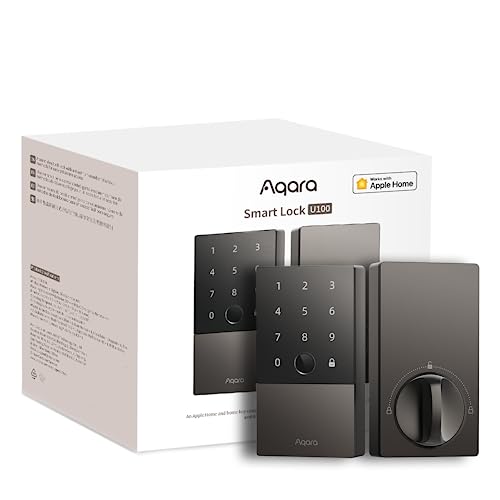
Pros
- Apple Home Key with iPhone and Apple Watch
- Fingerprint reader stores up to 50 prints
- Four AA batteries last up to 8 months
- IP65 zinc-alloy body, emergency USB-C charging
Cons
- Aqara Zigbee hub required for remote passwords
- NFC card sold separately

Pros
- Built-in WiFi with remote lock control
- Manages up to 250 access codes
- Backlit, fingerprint-resistant push-button keypad
- Alexa, Google Home, and Ring compatible
Cons
- App features require secure WiFi connection
- Fits only 1-3/8 to 1-3/4-inch doors

Pros
- Fingerprint access in 0.42 seconds
- Six entry methods
- One-year rechargeable battery
- Scheduled guest access codes
Cons
- Wi-Fi needed for remote management
- Rechargeable battery requires periodic charging

Pros
- Five entry methods, including fingerprint and PIN
- Remote control through the Philips App
- Up to 100 user codes
- Auto-lock timer from 30 to 180 seconds
Cons
- Requires compatible 35 to 50mm door
- Remote features depend on Wi-Fi and app access

Pros
- Backlit keypad supports up to 250 codes
- No hub required for Wi-Fi control
- Geofence auto-unlock and automatic locking
- Lifetime mechanical and finish warranty
Cons
- One-year electronics warranty
- Remote features depend on the Kwikset app

Pros
- Keypad, smartphone, Apple Watch, and backup-key entry
- Direct 2.4 or 5 GHz Wi-Fi, no hub needed
- Scheduled codes for guests and service providers
- BHMA Grade 2 durability certification
Cons
- Remote app control limited to US and Canada
- Smart features depend on Wi-Fi connectivity
Match the entry method to your routine
Fingerprint readers reduce keypad contact and can be useful when your hands are full. The Aqara Smart Lock U100, Apple Home Key stores up to 50 fingerprints, while the Tapo Smart Wi-Fi Door Lock, Deadbolt stores up to 100. The Philips Wi-Fi Front Lock Set adds a coordinated handle set, five entry methods, and user codes for household members or visitors.
Keypad-focused models make code sharing the central feature. The Schlage Arrive Smart WiFi Deadbolt Lock supports up to 250 access codes, and the Kwikset Halo Wi-Fi Smart Lock supports the same number through its backlit touchscreen. Yale WiFi Smart Lock Deadbolt with Keypad offers scheduled and revocable access, including codes suited to temporary guests.
Pro Tip: Choose one primary entry method for daily use, then confirm that every regular visitor has a practical backup option.
Wi-Fi, hubs, and smart-home fit
Direct Wi-Fi matters if you want remote control without adding another bridge. The Schlage, Kwikset, Tapo, Philips, and Yale options provide Wi-Fi-based control, while Aqara’s remote password management and wider third-party integrations require an Aqara Zigbee 3.0 hub. Apple households may prefer Aqara because Apple Home and Home Key support are central features.
Compatibility is not identical across ecosystems. Schlage connects with Alexa and Google Home, Kwikset works with Alexa and Google Home, and Philips supports Alexa and Google Assistant. Before buying, check whether your preferred voice platform and access app are already part of your daily routine. For background on bridge-based setups, see what a smart lock bridge does.
| Entry style | Connectivity | Best fit |
|---|---|---|
| Fingerprint | Wi-Fi or hub | Busy households |
| Keypad codes | Direct Wi-Fi | Guests and rentals |
| Apple Home Key | Matter over Thread | Apple users |
Battery planning and door compatibility
Battery format affects maintenance more than many buyers expect. Aqara uses four AA batteries and lists up to eight months of battery life, Tapo uses a removable rechargeable battery with up to one year of operation, and Philips, Kwikset, Schlage, and Yale use their own battery systems and low-power or emergency provisions described in the product details.
Measure before ordering. Schlage and Kwikset specify common door thickness ranges and adjustable deadbolt backsets, while Philips specifies standard doors from 35 to 50 millimeters. Yale includes DoorSense to recognize whether the door is fully closed, and several models offer auto-lock settings that help prevent an unsecured door.
Before You Mount It: Confirm the door thickness, backset, latch alignment, and handle clearance first. A smart lock cannot compensate for a misaligned deadbolt, and an installation that binds can leave the door difficult to secure.
For related hardware advice, read why the strike plate matters. You can also review common smart lock security concerns before connecting a lock to your home network.
Expert Examined
From Dana Whitfield

I keep spare batteries and the mechanical key in a known, accessible place rather than inside the locked entry area. The mistake I see is treating app access as the only fallback, so choose a model with a physical key or emergency charging option and keep that backup usable.
Read more about Dana WhitfieldWhich lock fits your household
I would point Apple households toward Aqara Smart Lock U100, Apple Home Key. Apple Home Key support, fingerprint entry, local encrypted fingerprint storage, auto-lock, and an emergency USB-C charging port make it a strong fit for people already organizing access through Apple Home. Keep the hub requirement in mind if you need remote passwords or wider integrations.
I would put Schlage Arrive Smart WiFi Deadbolt Lock on a frequently used family entry where direct remote control and many codes matter. Its built-in Wi-Fi, lock history, notifications, backlit push buttons, and support for up to 250 codes suit a busy household that wants physical buttons.
For a home with frequent scheduled visitors, I would consider Yale WiFi Smart Lock Deadbolt with Keypad. It connects directly to Wi-Fi, supports scheduled sharing, offers Apple Watch control and a backup key, and uses DoorSense to confirm that the door is closed. Its BHMA Grade 2 certification also suits buyers who want a stated durability standard.
The Bottom Line
The mistake most buyers make is treating every Wi-Fi smart lock as interchangeable. Entry methods, hub requirements, battery formats, door measurements, and ecosystem support differ enough to change which model fits your home.
Start by measuring the door and checking the existing deadbolt alignment. Then choose the entry method you will use most often, confirm the required network or hub, and plan a backup method before installing the lock.
FAQs
Fingerprint models can provide quick entry without remembering a code, while keypads are easier to share with guests and service providers. Choose fingerprints for frequent residents and keypad access when temporary, scheduled, or multiple household codes matter. Several listed models provide direct Wi-Fi control, including Schlage, Kwikset, Philips, Tapo, and Yale. Aqara requires an Aqara Zigbee 3.0 hub for remote password management and broader third-party integrations, although it also offers local entry methods. Watch for low-battery alerts and keep the specified replacement or charging method available. Models may use AA batteries, rechargeable battery packs, USB-C emergency charging, or other manufacturer-specific arrangements, so confirm the power design before installation. BHMA certification indicates that the product has a stated rating under an industry durability and performance standard. The listed products include BHMA Grade 2 or Grade 3 references, but certification does not replace checking door fit and deadbolt alignment.Are fingerprint smart locks better than keypad locks?
Can these smart locks work without a hub?
How should I maintain a smart lock battery?
What does BHMA certification mean for a smart lock?
Sources
- Builders Hardware Manufacturers Association www.buildershardware.com
- UL Solutions www.ul.com