
Choosing the best security cameras for xfinity home means matching the camera to your Wi-Fi setup, room, and recording preference rather than focusing on brand names alone. This selection is for households deciding between indoor, outdoor, wired, battery, and rotating coverage.
Pros
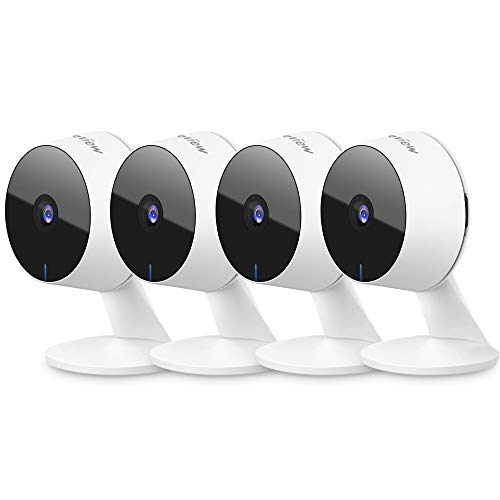
- Four-pack provides 1080p coverage across multiple rooms
- Infrared night vision reaches up to 33 feet
- Supports local microSD card storage up to 128GB
- Two-way audio includes built-in noise cancellation
- LaView app supports viewing up to 9 live feeds
Cons
- Incompatible with 5GHz Wi-Fi networks
- Wired power cords limit indoor placement options
- Cloud storage requires subscription after 30-day trial

Pros
- 2K QHD resolution with starlight color night vision
- Free person, pet, and vehicle detection alerts
- Local recording support up to 512 GB microSD
- Weatherproof IP66 rating for outdoor rain protection
- Dual integrated spotlights with built-in siren
Cons
- Requires an exterior outlet for corded electric power
- MicroSD card not included for local storage
- Google streaming limited to Chromecast and Nest displays
Pros
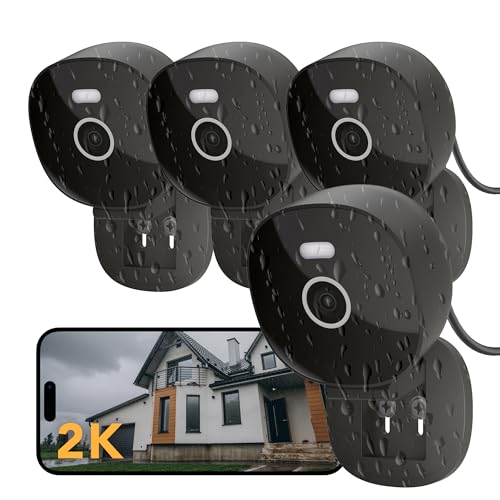
- Crisp 2K resolution with color night vision
- IP65 weather resistance against rain and snow
- Automated siren and bright white spotlight deterrent
- Works with Alexa and Google Home systems
- AES256 video encryption protects recorded footage
Cons
- Requires nearby electrical outlets for constant wired power
- Micro SD card not included for local recording
Pros
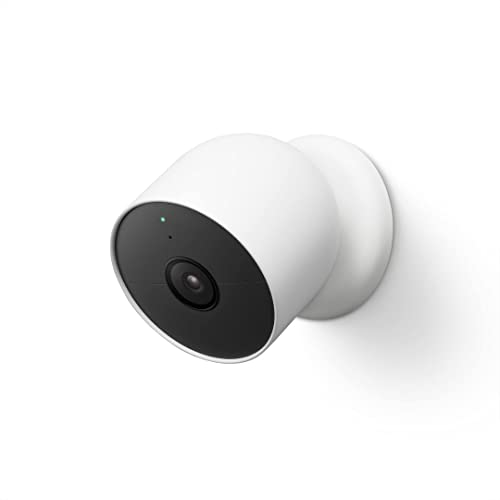
- Built-in person, animal, and vehicle alerts
- Sharp 1080p HDR video with night vision
- Battery-powered setup with magnetic mount
- Stores one hour of video during outages
Cons
- Free event video history limited to three hours
- Continuous 24/7 recording requires sold-separately cable

Pros
- Motorized 360-degree pan and tilt coverage
- Infrared night view with HD day video
- Two-way audio to speak through the app
- Hands-free voice control and streaming with Alexa
Cons
- Local video storage requires separate Sync Module 2
- Extended 90-minute live streaming requires paid subscription

Pros
- Crisp 2K HDR resolution with color night vision
- Wider and taller field of view for large rooms
- Encrypted video with two-step account verification
- Green LED indicator shows when streaming is active
Cons
- Wired power connection restricts placement options
- Gemini event summaries require a paid subscription
Start With the Coverage Zone
Indoor cameras are suited to rooms, hallways, pets, and family areas, while outdoor models need weather protection and stronger night coverage. The FAMVIVA 2K Wired Security Camera has an IP65 rating, and the Tapo 2K+ Outdoor Wired Security Camera, C320WS has IP66 protection, making their placement more appropriate for exposed areas than indoor-only units.
For an indoor room where one fixed view leaves blind spots, the Blink Mini Pan-Tilt Camera can pan and tilt through the app and provide 360-degree coverage. A battery model such as the Google Nest Cam Outdoor or Indoor, Battery is easier to place away from an outlet, although continuous recording requires separately sold power accessories and a subscription.
Pro Tip: Before mounting, stand in the intended viewing area and check that the camera can see the entry, walkway, or room section that matters most without pointing directly at bright windows.
Wired or Battery Power Changes the Routine
Wired cameras provide a continuously connected setup, but each location must have a practical outlet and a route for the cable. LaView Security Cameras 4pcs, FAMVIVA, Tapo, Blink, and the wired Google Nest Cam Indoor (Wired, 3rd Gen) all require a connected power arrangement, while the Google Nest Cam Outdoor or Indoor, Battery is designed for flexible placement.
Battery convenience does not remove maintenance. You need a plan for accessing the camera when its battery needs attention, and you should remember that the Google Nest Cam stores up to an hour of recorded events during a Wi-Fi or power interruption. For more context on camera status indicators, see what security camera lights mean.
Avoid Cable Mistakes: Do not run a power cable where it can become a trip hazard, be pinched by a door, or invite someone to pull the camera down. Keep outdoor wiring appropriate for the location and follow the device installation instructions.
Match Alerts and Storage to Your Routine
Motion alerts are useful, but the type of detection affects how much information you receive. Tapo can identify people, pets, and vehicles, while Google Nest Cam Outdoor or Indoor, Battery can distinguish people, animals, and vehicles through the Google Home app. LaView focuses on motion detection and supports up to nine simultaneous live feeds.
Storage choices also differ. LaView includes a 30-day US cloud storage trial and supports a microSD card up to 128GB, FAMVIVA supports a microSD card up to 128GB, and Tapo supports local storage on a microSD card up to 512GB or optional cloud storage. Blink offers cloud storage with a trial or local storage using separately sold equipment.
If you need a clearer record of an incident, decide whether local storage, cloud history, or both fits your routine before mounting cameras. You can also review how security camera footage may be used in court, since retention and clarity matter when footage must be shared.
Expert Examined
From Ray Okafor

I keep seeing cameras aimed too high, leaving the useful part of a doorway or walkway outside the frame. I prefer setting the viewing angle for the approach itself, then checking night vision and alert activity before finalizing the mount.
Read more about Ray OkaforSmart-Home Compatibility Is Not the Whole Decision
Alexa support appears across several choices, while FAMVIVA, Tapo, and the Google Nest models also connect with Google Home or Google Assistant in the ways described by their product details. That can make voice viewing convenient, but it does not replace checking the camera app, storage method, alert type, and power requirements.
For privacy-conscious households, storage and account protections deserve attention. The newer wired Google Nest Cam Indoor (Wired, 3rd Gen) lists encrypted video and two-step verification, while FAMVIVA lists AES256 encryption for video transmission and cloud storage. For broader camera privacy questions, see how security cameras handle facial recognition.
The Cybersecurity and Infrastructure Security Agency provides general cybersecurity guidance, so use strong account protection and keep access limited to the people who need it.
Which Camera Fits Your Home
I would point you to the LaView Security Cameras 4pcs when several indoor rooms need simultaneous viewing from one account. Its 1080P video, night vision up to 33 feet, two-way audio, web access, and support for up to nine live feeds make the four-camera format practical for a home with multiple interior zones.
For a driveway, walkway, or exposed entrance, I would choose the Tapo 2K+ Outdoor Wired Security Camera, C320WS. Its IP66 rating, 2K resolution, starlight sensor, color night vision, person, pet, and vehicle detection, plus local storage support, fit outdoor monitoring where detail and event filtering matter.
I would reserve the Google Nest Cam Outdoor or Indoor, Battery for a location where outlet access is the main obstacle. Its battery power, magnetic mount, intelligent alerts, 1080p HDR video, and event storage during certain interruptions make it the flexible choice, provided you account for battery upkeep and optional subscription features.
The Bottom Line
The biggest mistake is choosing a camera before deciding where it will go. An outdoor camera needs weather protection, an indoor camera needs the right field of view, and a battery model needs an accessible maintenance plan.
If you only do one thing first, mark the exact coverage zone and identify the nearest practical power source. Then choose the model whose viewing range, alert types, storage, and mounting format match that location.
FAQs
Choose an indoor model for rooms and hallways, and choose an outdoor-rated model for exposed locations. The FAMVIVA and Tapo cameras list weather-resistance ratings, while the indoor models are intended for interior coverage. Wired cameras suit locations with dependable outlet access and a preference for continuous connection. Battery cameras are easier to place away from outlets, but you must plan for battery maintenance and may need separately sold accessories for continuous power. Local microSD storage avoids relying entirely on cloud history, while cloud storage can make remote access and sharing more convenient. Check the supported card capacity, trial terms, and whether a subscription is required for longer video history. These are ingress protection ratings listed by the products for resistance to dust and water exposure. They do not mean every mounting position is suitable, so follow the manufacturer’s placement and installation instructions. Aim at the approach, doorway, walkway, or room area you actually need to monitor. Avoid bright windows and high angles that leave the important activity outside the frame, then check the night view before final mounting.Should I choose an indoor or outdoor security camera?
Are wired or battery security cameras better?
What storage options should I look for in a security camera?
What does IP65 or IP66 mean for a security camera?
How should I position a camera for useful alerts?
Sources
- Cybersecurity and Infrastructure Security Agency, Cybersecurity guidance. www.cisa.gov
- UL Solutions, Safety and security standards information. www.ul.com