
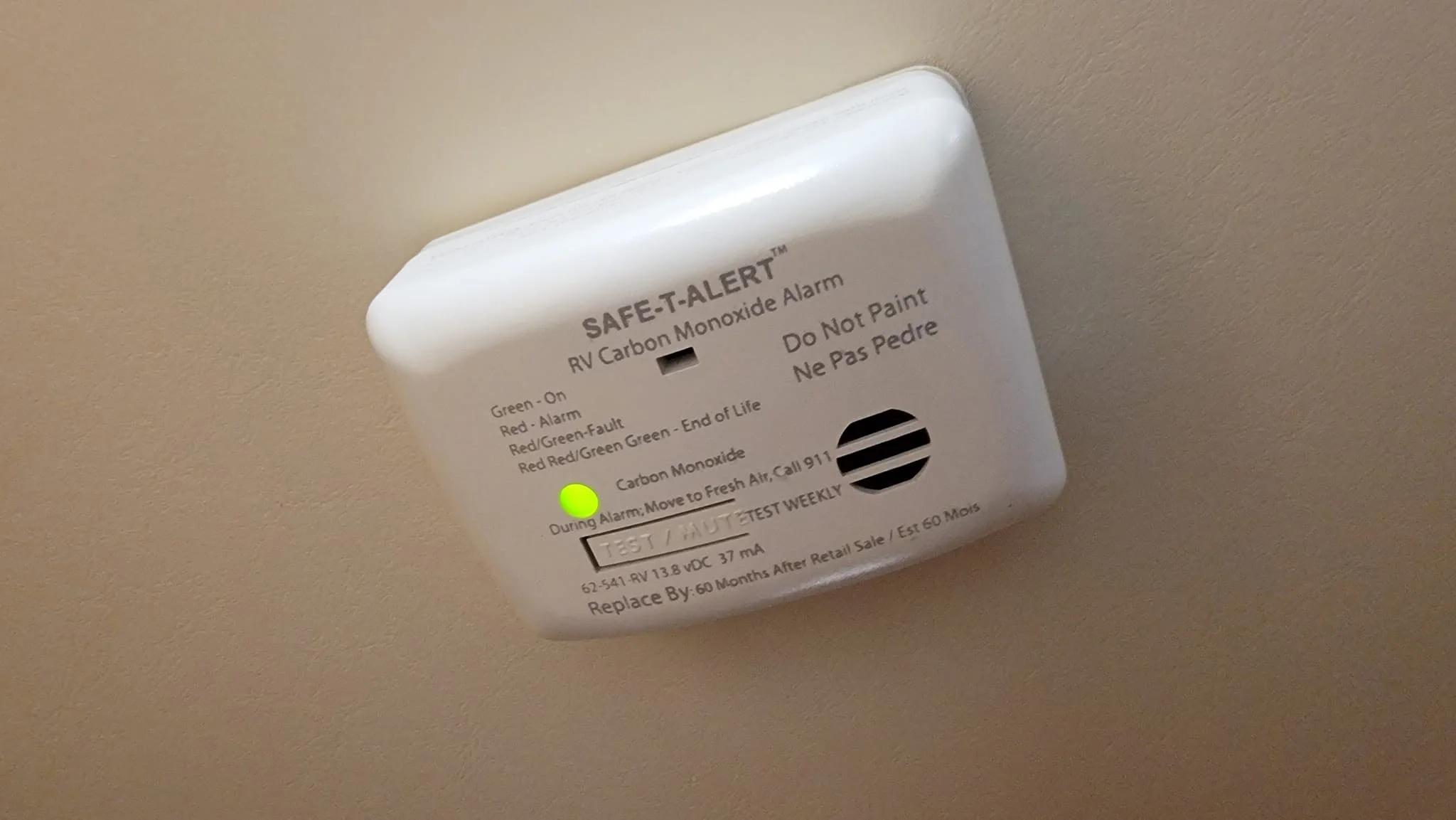
Mounting the best RV smoke detectors demands equipment built for rapid temperature swings and kitchen steam in tight quarters. The primary split involves choosing between standalone battery units and combo models that add carbon monoxide sensing. Weekend campers and full-time rig dwellers both need reliable hardware that resists nuisance triggers while parked near a galley stove.

Pros
- UL 217 10th Edition compliant
- Advanced sensing reduces cooking false alarms
- Loud 85 dB alarm with red LED light
- Ten-year limited warranty coverage
Cons
- Uses replaceable AA batteries instead of sealed power
- Smoke detection only with no carbon monoxide sensing

Pros
- Sealed 10-year lithium battery prevents replacements
- Dual photoelectric and electrochemical sensors
- LCD displays real-time CO PPM and battery level
- Certified to UL 217 and UL 2034 standards
Cons
- No wireless interconnection between alarms
- Lacks Wi-Fi and base station compatibility

Pros
- Photoelectric sensor for smoke detection
- Battery-powered design needs no hardwiring
- Compact 4-inch profile fits tight spaces
- Solid black finish for dark ceilings
Cons
- No integrated carbon monoxide detection
- Lacks hardwired or wireless interconnect

Pros
- Approved for recreational vehicle use
- Precision Detection cuts cooking nuisance alarms
- Tamper-resistant locking pin secures battery
- Hinged cover allows easy battery replacement
- Battery operation requires no dedicated wiring
Cons
- Requires periodic manual battery replacements
- Lacks integrated carbon monoxide detection

Pros
- Dual photoelectric and electrochemical sensors
- Wired interconnect links up to 18 alarms
- Spoken voice alerts name the specific hazard
- 10-hour silence feature for nuisance alarms
- Replaceable AA battery backup for outages
Cons
- Requires dedicated AC wiring to install
- AA backup batteries require periodic replacement

Pros
- Sealed 10-year lithium battery requires no swaps
- Photoelectric and electrochemical combination sensors
- LCD screen displays real-time carbon monoxide levels
- Certified to UL 217 and UL 2034 standards
Cons
- No wireless interconnection between units
- Lacks Wi-Fi connectivity and base station support
Vibration Resistance and Small Space Placement
Recreational vehicles face constant motion, meaning road vibration can loosen battery terminals or shake sensitive components. Standard residential units often lack locking mechanisms to keep power cells firmly connected across bumpy routes. Exploring broader home safety detection solutions shows that purpose-built mobile units solve this through reinforced battery bays.
Road Vibration Risks: Loose battery trays can disconnect after rough highway travel. Always check that your unit uses a snug locking pin or sealed lithium pack so travel rattles do not sever emergency power.
Small square footage also amplifies false alerts. In a compact camper, cooking smoke and steam linger close to ceiling fixtures. Selecting hardware built to meet UL 217 standards reduces nuisance triggers caused by breakfast prep without delaying real fire warnings.
Sensor Technologies for Mobile Living
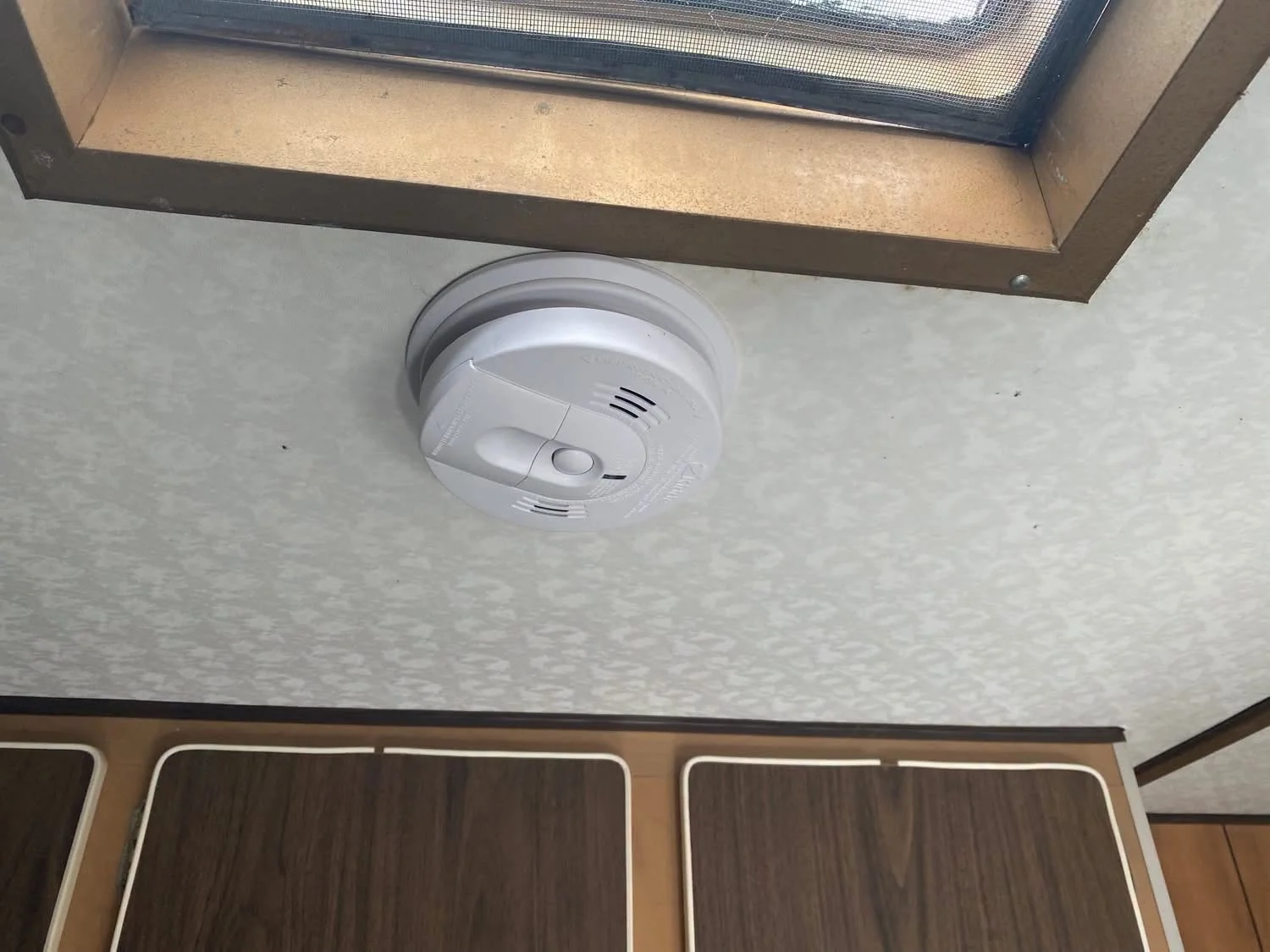
Photoelectric sensors offer superior reliability for enclosed spaces by detecting smoldering fires quickly without reacting instantly to toaster steam. Dual-sensor units that include electrochemical carbon monoxide protection provide vital safety for rigs using propane. The U.S. Fire Administration highlights that early detection remains essential in spaces where exit paths are narrow.
| Detector Type | Sensor Style | Best Placement |
|---|---|---|
| Photoelectric Smoke | Optical chamber | Main living ceiling |
| Smoke and CO Combo | Dual sensor | Near sleeping quarters |
| Interconnected Wired | Dual sensor | Large fifth wheels |
Campers operating propane furnaces or portable generators should always incorporate combination detection near sleeping berths. Integrating multiple layers of awareness mirrors the strategy found in home security systems, ensuring gas leaks and fires trigger immediate warning before reaching bunk spaces.
Power Options and Battery Maintenance

Deciding between sealed lithium units and replaceable AA models dictates your seasonal maintenance schedule. Ten-year sealed batteries eliminate the chore of replacing cells each spring and prevent accidental disconnection. However, replaceable battery alarms let you carry spares during remote boondocking trips where hardware stores are unavailable.
Galley Clearance: Mount detectors at least ten feet from cooking stoves whenever camper layouts allow. This spacing prevents everyday steam from setting off alarms during breakfast preparation.
Hardwired combination units serve larger fifth wheels and motorhomes wired for continuous AC shore power. These units often feature battery backups to maintain constant vigilance when disconnected from campsite pedestals, keeping your rig secure regardless of power status.
Expert Examined
From Dana Whitfield

I keep a dedicated battery check on my pre-trip departure checklist because temperature shifts inside parked rigs deplete cells faster than home environments. Replacing standard alkaline batteries before the summer travel season avoids sudden midnight low-voltage chirps.
Read more about Dana WhitfieldPushing the alarm buzzer also confirms that vibration has not damaged internal acoustic sirens during winter storage periods.
Matching Alarms to Your Rig Setup
For standard travel trailers and pop-up campers, I would point you to the First Alert 1046846 RV Approved Battery-Operated. It is explicitly approved for recreational vehicle use and features a tamper-resistant locking pin that prevents battery trays from sliding open during highway transit. Its hinged cover makes quick seasonal battery swaps straightforward without detaching the mounting baseplate from your camper ceiling.
If your rig uses propane appliances and you prefer dual protection, I recommend the X-Sense Smoke Detector Carbon Monoxide Detector. The sealed ten-year lithium battery eliminates annual replacements and accidental disconnections, while the digital LCD presents real-time carbon monoxide levels in parts per million for immediate diagnostic feedback.
For tighter quarters where ceiling real estate is scarce, I suggest the Kidde Compact Smoke Detector, AA Battery-Powered. It packs an 85-decibel siren and UL 217 compliance into a compact four-inch diameter casing that easily fits between overhead cabinetry. You can explore additional property defense tactics in our home security systems coverage.
The Bottom Line
The single biggest mistake camper owners make is using residential ionization detectors that trigger constantly during normal cooking. This frustration often leads travelers to pull the batteries entirely, leaving the RV vulnerable to rapid fires.
If you only do one thing before your next road trip, inspect the manufacturing date on your existing alarms. Replace any detector older than five to ten years with an RV-rated or photoelectric unit featuring a firm locking battery compartment.
FAQs
Why do standard home smoke alarms trigger so easily inside an RV?
Travel trailers have tight interior layouts where cooking vapors and shower steam reach ceiling alarms in seconds. Residential ionization units react quickly to microscopic cooking particles, making photoelectric or nuisance-resistant models far better suited for compact camper living.
Do travel trailers require carbon monoxide detectors alongside smoke alarms?
Yes, campers running propane stoves, water heaters, furnaces, or nearby exterior generators generate carbon monoxide risks. Installing dual-sensor combo alarms or separate CO monitors near sleeping berths provides crucial protection against this invisible, odorless hazard.
How often should RV smoke alarms be replaced?
Most recreational vehicle alarms must be replaced every five to ten years depending on manufacturer specifications and sensor degradation. Exposure to road dust, vibration, and extreme temperature fluctuations can reduce device longevity faster than typical home environments.
Can I mount smoke detectors on the wall of a camper?
Ceiling mounting remains optimal because smoke naturally rises and spreads across overhead surfaces first. If wall mounting is necessary due to cabinetry, position the device four to twelve inches below the ceiling to avoid dead air spaces.
Sources
- National Fire Protection Association www.nfpa.org
- U.S. Fire Administration www.usfa.fema.gov
- Consumer Product Safety Commission www.cpsc.gov