
Shopping for the best peephole cameras without subscription means deciding whether local recording matters more than cloud access. The right choice depends on your door fit, battery routine, and need for an indoor screen, especially in an apartment.

Pros
- 4.3-inch indoor monitor for quick visitor checks
- 2K video with 170-degree wide-angle coverage
- 64GB SD card included for local storage
- 8000mAh battery lasts for weeks
Cons
- Cloud storage requires a subscription after trial
- Battery requires periodic recharging

Pros
- Wide-angle 1.6mm fisheye lens
- Motion detection alerts
- Two-way talk capability
- 128G memory card or cloud storage
Cons
- Requires peephole installation
- App and router setup required for remote viewing
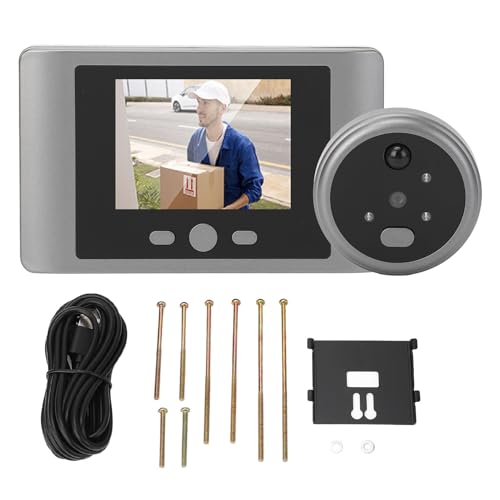
Pros
- 2.8-inch HD color display
- PIR motion detection with recording
- Rechargeable 2000mAh battery
- Supports memory cards up to 128GB
Cons
- Memory card not included
- Limited to four operating languages

Pros
- 1080P camera with day and night sensitivity
- 4.3-inch color LCD display
- PIR motion detection with push alerts
- Supports memory cards up to 128GB
Cons
- Memory card not included
- System settings require the mobile app

Pros
- PIR motion alerts with adjustable sensitivity
- 1080p video and 2MP lens
- 160° wide-angle doorway coverage
- 5000mAh battery, up to 60 days
Cons
- Rechargeable battery needs periodic charging
- Micro storage card needed for outage recording

Pros
- 2K video with day and night vision
- 4.3-inch color monitor for indoor viewing
- 170-degree wide-angle field of view
- 32GB memory card included
Cons
- Smartphone app needed for remote monitoring
- 8000mAh battery requires periodic recharging
Local storage is the key dividing line
A camera can support a memory card and still offer optional cloud storage, so read the storage wording carefully. The Bextgoo models include cards, while the Generic camera supports a card up to 128GB and cloud storage. FTVOGUE, Jectse, and Tbest support local card recording, although their included storage details differ.
Local storage keeps recordings on the door unit, which can suit buyers avoiding recurring service costs. Remote viewing is a separate feature: Generic, Jectse, and the Bextgoo models describe app access, while Tbest specifically states that operation does not require a subscription.
For broader context on entry monitoring, the peephole camera category is useful when checking how these devices differ from conventional video doorbells.
| Camera style | Storage approach | Best placement |
|---|---|---|
| Indoor display | Local card | Apartment entry |
| App-connected viewer | Card or cloud | Remote monitoring |
| No-required-subscription model | Micro card | Simple home setup |
Match the view and sensor to your doorway
Wide-angle coverage helps at a close apartment entry, but the numbers are not identical. The Bextgoo models provide a 170° view, Generic uses a wide-angle fisheye lens, Tbest provides 160°, and FTVOGUE lists a 90° view. A wider view can show more of the threshold, while a narrower view may still suit a straightforward hall-facing door.
PIR sensing is called out on FTVOGUE, Jectse, and Tbest. Bextgoo describes AI motion alerts and adjustable sensitivity, while Generic offers motion detection. Sensitivity controls matter when a shared hallway creates frequent movement, and the doorbell connection troubleshooting advice can help if app alerts become unreliable.
Pro Tip: Check the door hole diameter and thickness before ordering, then compare those measurements with the mounting range in the product details.
FTVOGUE is the clearest fit specification in the group, supporting doors from 40 to 110mm thick and holes from 16 to 45mm. That information is more useful than choosing by screen size alone, because a camera that does not fit cannot provide dependable coverage.
Battery size changes your maintenance routine
Battery capacity is only one part of ownership, but it gives you a useful starting point. The Bextgoo units list 8000mAh batteries, Tbest lists 5000mAh and up to 60 days of use, and FTVOGUE lists a 2000mAh battery with up to 30 days of standby time. Jectse also states up to 30 days of standby time.
Rechargeable devices need a reminder routine, particularly when motion alerts are frequent. Keep the charging method accessible without leaving the door unsecured, and confirm that the indoor display, app, and recording functions still work after recharging.
Before You Mount It: Do not block the peephole or rely on an accessory that prevents the door from closing and locking fully. Check the mounting hardware, door thickness, and building rules before drilling or altering an apartment door.
If your camera depends on Wi-Fi for remote viewing, place the indoor equipment where the signal remains dependable. For general placement ideas, the advice on angling a video doorbell toward the entry explains why the threshold should be visible without aiming too high.
Expert Examined
From Dana Whitfield

I keep seeing door cameras aimed at faces while packages sit outside the viewing area. I would frame the lower threshold and the visitor approach first, then adjust sensitivity so hallway traffic does not fill the recording card.
Read more about Dana WhitfieldWhich setup fits your household
I would point apartment renters toward FTVOGUE Peephole Camera with 2.8in Color Display when door compatibility is the main concern. Its stated fit range covers 40 to 110mm doors and 16 to 45mm holes, and its indoor color display avoids requiring a phone for basic visitor viewing. PIR detection and up to 30 days of standby time add practical support for routine entry monitoring.
I would choose Video Doorbell Camera 1080p 2MP 4.3-Inch Screen for a buyer who wants a large indoor screen, PIR alerts, and a stated no-required-subscription setup. Its 5000mAh battery is listed for up to 60 days of use, and local micro storage can continue during network outages.
For sharper coverage and an included card, I would put Peephole Camera for Apartment Door on the shortlist. It combines 2K video, a 170° view, an 8000mAh battery, a 64GB card, app access, and two-way talk, although its cloud option is subscription-based after its trial.
The Bottom Line
The mistake most buyers make is treating “no subscription” as the same thing as “no storage plan.” Check whether the camera records to a card, whether that card is included, and which features still work without cloud service.
If you only do one thing first, measure your door thickness and peephole opening. Then select the storage method and battery routine that fit your building, rather than assuming a larger screen or higher resolution solves every installation problem.
FAQs
PIR detection is useful when you want the camera to respond to human movement, and it appears on the FTVOGUE, Jectse, and Tbest models. Other options describe motion or AI alerts. Adjustable sensitivity is especially helpful on doors facing shared hallways or busy entrances. Mount it in the existing peephole position when the hardware supports your door. Confirm door thickness and hole diameter first, then frame the visitor approach and threshold. Apartment residents should also check building rules before modifying the door or frame. Charging frequency depends on battery capacity, standby behavior, motion activity, and alert settings. The listed models range from a 2000mAh battery with up to 30 days of standby to 8000mAh batteries. Set a reminder and recharge before the battery becomes too low for reliable monitoring. The supplied product details do not identify a specific safety certification for these models. Check the package and manufacturer documentation for applicable electrical and wireless markings, and consult UL Solutions if you need help understanding a listed mark.Which sensor type is best for a peephole camera?
Where should a peephole camera be mounted?
How often do peephole cameras need charging?
What certification should a peephole camera have?
Sources
- UL Solutions www.ul.com
- US Consumer Product Safety Commission www.cpsc.gov