
Installing the best battery operated smoke and carbon monoxide detectors solves fire and gas risks without requiring drywall cuts or electrician visits. The primary decision sits between replaceable alkaline cells and sealed ten year lithium packs that eliminate late night chirps. This review helps homeowners and renters equip hallways and sleeping areas safely.

Pros
- Dual-beam photoelectric sensor minimizes nuisance cooking alarms
- Certified to UL 217 10th and UL 2034 5th standards
- Sealed 10-year lithium battery eliminates annual swaps
- Combines photoelectric smoke and carbon monoxide detection
Cons
- No wireless interconnection between separate units
- Sealed battery cannot be replaced after expiration

Pros
- Dual smoke and carbon monoxide detection
- UL 217 10th Edition and UL 2034 compliant
- Over 25 percent faster smoke detection
- Ten-year limited manufacturer warranty
- Loud 85-decibel alarm with status LED
Cons
- Requires periodic AA battery replacements
- No hardwired connection support

Pros
- Photoelectric smoke and electrochemical CO sensors
- Sealed 10-year lithium battery eliminates battery swaps
- Informative LCD shows real-time CO levels in PPM
- Certified to both UL 217 and UL 2034 standards
- Includes mounting brackets, screws, and anchor plugs
Cons
- Standalone only, no wireless interconnection between units
- No Wi-Fi support or base station compatibility
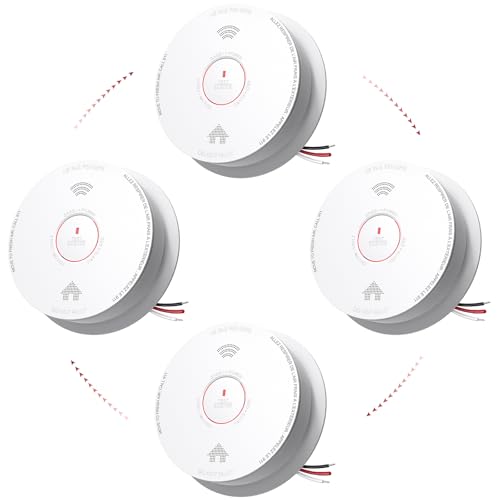
Pros
- Photoelectric dual-wave sensor reduces cooking false alarms
- Bilingual voice alerts for smoke and carbon monoxide
- Hardwired interconnection links up to 18 detectors
- Sealed 10-year backup battery avoids annual replacements
- UL 217 and UL 2034 certified
Cons
- Requires hardwired electrical connections for installation
- Hardwired interconnect only, lacks wireless linking

Pros
- UL 217 10th Edition certified smoke sensing
- Electrochemical sensor reads CO up to 2000 ppm
- Sealed 10-year battery eliminates annual replacements
- Loud 85dB horn with silence button
Cons
- Non-replaceable battery requires replacing the whole unit
- Not hardwired for existing electrical junction boxes

Pros
- Sealed 10-year lithium battery eliminates annual replacements
- Photoelectric smoke and electrochemical CO sensors
- Certified to UL 217 and UL 2034 safety standards
- Includes brackets and anchors for wall or ceiling mounting
Cons
- No wireless interconnection between alarms
- Lacks Wi-Fi or smart hub connectivity
- Cannot connect to existing hardwired home circuits
Sealed Lithium Versus Replaceable Alkaline Power
Battery format dictates how much long-term maintenance your safety devices demand. Sealed lithium units run for ten years without battery swaps, eliminating the temptation to silence a chirping alarm by removing its power. An automated end-of-life signal indicates when the decade expires and sensor replacement is necessary.
Replaceable battery models powered by AA cells suit temporary rentals where tenants or landlords prefer traditional routine maintenance. Replacing cells annually ensures reliable operation, preventing common failures documented by the US Fire Administration. Reviewing wider home safety detection options helps coordinate these alarms with other household defenses.
Pro Tip: Check state regulations before buying, as jurisdictions like California and New York mandate sealed ten year lithium batteries for non-hardwired alarms.
Sensor Tech and Cooking Nuisance Immunity
Combination alarms merge photoelectric smoke sensors with electrochemical carbon monoxide detection. Photoelectric chambers spot smoldering fabric fires while resisting false triggers from cooking steam. Meanwhile, electrochemical sensors measure toxic gas build-up from heating equipment or vehicle exhaust.
Modern certifications like UL 217 10th Edition enforce strict standards against cooking smoke nuisance trips while improving reaction times to synthetic fire materials. Checking certification records with UL Solutions verifies that a device handles both safety threats without annoying false alarms.
| Power Format | Sensor Type | Recommended Space |
|---|---|---|
| Sealed Lithium | Dual Photoelectric | Hallways and bedrooms |
| Replaceable AA | Photoelectric Combo | Managed rental units |
| Hardwired Backup | Dual-Wave Sensing | New residential construction |
Placement Warning: Never install combination detectors inside kitchens or within ten feet of cooking appliances to prevent nuisance triggers from normal cooking vapor.
Standalone Operation and Visual Status
Standalone alarms operate independently without triggering devices in adjacent rooms. Mounting these units near sleeping areas ensures audible alerts can wake occupants through closed doors. You can also pair these alarms alongside broader home security systems for layered protection.
Visual displays add valuable context during an emergency. An integrated liquid crystal screen reveals carbon monoxide levels in parts per million, helping you evaluate minor leaks versus severe emergencies. Status indicator lights provide immediate visual confirmation of battery readiness and internal sensor health.
Expert Examined
From Dana Whitfield

The mistake I see most often is placing a detector directly beside a kitchen doorway. Everyday cooking vapor causes recurring false alarms, tempting homeowners to disable the power and leaving living quarters completely unprotected.
Read more about Dana WhitfieldMatching the Alarm to Your Living Space
I would point you toward the Heiman Smoke and Carbon Monoxide Detector 10-Year for bedrooms and primary corridors. Its dual-beam photoelectric sensor meets strict UL 217 10th Edition standards to filter out harmless cooking smoke, while the ten year sealed lithium supply eliminates battery changes. The twenty second alarm memory also alerts you if smoke or gas was detected while you were out of the house.
For areas where you want precise environmental feedback, I would put the X-Sense Smoke Detector Carbon Monoxide Detector on your ceiling. The digital screen displays parts per million carbon monoxide readings alongside clear battery status indicators. If you prefer standard alkaline power for rental properties, the Kidde Smoke & Carbon Monoxide Detector uses two AA batteries, sounds a loud eighty-five decibel alarm, and features a ten year limited warranty. Additional installation tips are available on our safety blog to help you secure each room properly.
The Bottom Line
The most common mistake buyers make is assuming every battery alarm satisfies local housing codes. Numerous states and municipalities now mandate ten year sealed lithium batteries on standalone units, rendering replaceable battery alarms non-compliant for rental properties and home sales.
If you only do one thing today, count the sleeping rooms in your home and map your ceiling mounts. Place a dual detector outside each bedroom cluster and on every finished level, keeping them at least four inches away from interior walls.
FAQs
Where should battery combination smoke and CO detectors be placed?
Mount combination alarms on ceilings or high on walls outside each separate sleeping area and on every level of the home. Keep units at least four inches from wall corners and ten feet away from cooking appliances.
How often do battery operated smoke and CO detectors need replacement?
Every smoke and carbon monoxide detector must be replaced every ten years from its manufacturing date. The internal sensors degrade over time even if the battery retains power, making complete replacement necessary.
What does a UL 217 10th Edition certification mean?
UL 217 10th Edition is a safety standard that requires smoke detectors to differentiate between real fire hazards and normal cooking smoke, significantly cutting down false alarms while responding quickly to polyurethane fires.
Why are ten year sealed battery alarms required in some states?
Sealed lithium batteries prevent residents from removing batteries during nuisance alarms or forgetting annual replacements. States like California and New York enforce this rule to keep detectors functioning continuously.
Sources
- National Fire Protection Association www.nfpa.org
- US Fire Administration www.usfa.fema.gov
- US Consumer Product Safety Commission www.cpsc.gov