
Choosing the best water leak detectors for rv means matching the sensor to cramped plumbing spaces and deciding whether you value long battery life or maximum coverage. RV owners, campers, and landlords need alarms that remain useful around sinks, water heaters, tanks, and hidden low points.

Pros
- Loud 100dB alarm
- Three-prong water detection sensor
- Battery-operated, no outlet needed
- Two detectors and 9V batteries included
Cons
- Requires periodic 9V battery replacement
- Detects water leaks only
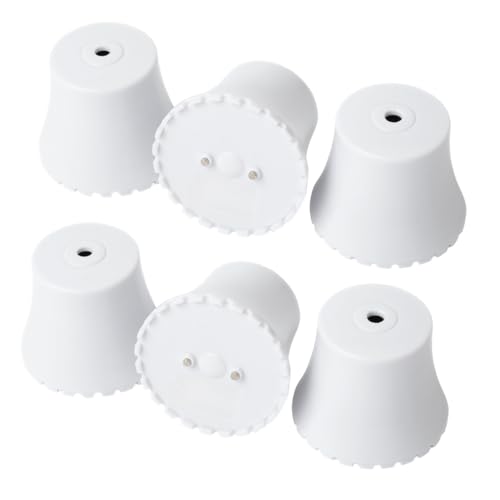
Pros
- No setup, tools, app, or battery installation
- Up to 95 dB alarm at leak source
- Compact size fits tight locations
- Reusable after drying the sensing prongs
Cons
- Factory sealed battery is not user replaceable
- Best for nearby leaks, not whole floor coverage

Pros
- Loud 100dB alarm
- Alerts within one second
- Compact wireless placement
- Five detectors and batteries included
Cons
- 9V batteries require eventual replacement
- Provides local audio alerts only

Pros
- Loud 120dB alarm
- Bulk 10-pack for multiple locations
- 37.8-inch cable reaches tight spaces
- Reusable 24K-plated sensor
Cons
- 9V alkaline battery not included
- Alarm continues until water dries or shut off

Pros
- Loud 120dB alarm for immediate alerts
- 37.8-inch cable reaches difficult corners
- Reusable sensor board after drying
- Three-pack covers multiple leak-prone areas
Cons
- 9V alkaline battery not included
- Included cable is under four feet

Pros
- Up to five years of battery life
- 100dB alarm with four volume settings
- Low-battery buzzer and LED warning
- IP66 waterproof construction
- Three-pack for multiple locations
Cons
- No Wi-Fi connectivity
- Battery replacement required after five years
Start With the RV Leak Path
Place a detector where water will arrive first, not where it will be easiest to see. Under the kitchen sink, behind the toilet, beside the water heater, near the shower plumbing, and at the lowest point beneath a tank are practical locations. A detector on a cabinet shelf may miss water collecting on the floor.
Compact standalone units work well when the likely leak area is close by. Cable-based sensors are more flexible when the alarm body needs to stay dry or visible while the probe reaches beneath a cabinet, into a sump area, or behind an appliance. The Topvico models include a 37.8-inch cable, and their cable can be extended with standard electrical wire, although that wire is not included.
RV movement creates a second placement concern. Adhesive mounting can help keep a cable sensor in position, while a loose alarm may slide away from the drip path during travel. Secure the alarm body, then confirm the detection board sits flat in the lowest likely collection point.
Placement Check: Before leaving the RV, inspect each detector after moving furniture or storing gear. A towel, toolbox, or loose cable can block the sensor from reaching the floor.
Alarm Reach Versus Sensor Reach
A louder alarm is useful in a parked RV, but volume does not compensate for poor placement. Geevon and ComfyTune use 100dB alarms, Flood Buzz reaches up to 95dB, and Topvico lists 120dB. BLIZONTE provides a 100dB alarm with four volume levels, including mute.
For a compartment that is difficult to access, a cable sensor gives you more control over where water is detected. For several ordinary locations, a multipack of compact alarms may provide broader coverage with less routing. The right choice depends on whether your RV has one especially awkward leak point or many accessible connections.
| Device type | Key distinction | Best RV location |
|---|---|---|
| Compact alarm | No cable, simple placement | Sink or bathroom floor |
| Cable sensor | Reaches hidden areas | Sump or water heater |
| Long-life unit | Fewer battery changes | Stored RV or travel trailer |
Alarm behavior also matters. Topvico continues sounding until the water dries or the sensor is turned off. BLIZONTE cycles its alarm and can be silenced temporarily, then checks again. That difference may matter if you sleep in the RV and want an alert without a continuous buzzer.
Do Not Ignore Battery Details: A detector cannot alert you if its battery is depleted. Topvico’s 9V battery is not included, while Geevon, ComfyTune, and Flood Buzz have different battery arrangements. Check the supplied power format and replacement instructions before mounting anything permanently.
Power, Maintenance, and Travel Storage
Battery-operated alarms avoid wiring and are convenient for RVs that are stored without shore power. Geevon includes 9V batteries rated for approximately 12 months of normal use, and ComfyTune also includes 9V batteries intended to last over a year. Topvico lists standby operation for up to two years with a standard 9V alkaline battery, but the battery must be supplied separately.
BLIZONTE uses a built-in battery rated for up to five years and adds a low-battery warning. Flood Buzz uses a factory-sealed 12V battery with an indicated active life of up to three years, but the battery is not user-replaceable. These formats trade easy replacement for less routine maintenance, so record the replacement date when the RV is stored.
Expert Examined
From Dana Whitfield

I keep the lowest detector near the point where water can pool, rather than beside the fitting that might fail. The mistake I see is placing an alarm inside a cabinet where the cabinet floor is higher than the RV floor, allowing water to spread before the sensor notices it.
Read more about Dana WhitfieldAfter an alarm sounds, dry reusable probes before returning them to service. Topvico specifically describes drying the sensor board for repeated use, while Flood Buzz says its prongs can be wiped dry after a leak event.
For broader water-damage planning, read about whether water sensors shut the water off. A detector announces a problem, but it does not replace closing the RV’s water supply or fixing the failed connection.
Which Alarm Fits Your RV
I would point you to Topvico Water Leak Detector Alarm, 120dB when the RV has a hidden sump, water heater compartment, or hard-to-reach plumbing. Its cable reaches 37.8 inches, the sensor can be extended with standard electrical wire, and the ten-unit package suits owners who want several detection points.
For a simpler setup around a sink, bathroom, or window, I would choose Geevon 2 Pack Water Leak Detectors,100dB Sensor. It needs no outlet, includes two 9V batteries, and its compact body can sit directly where a small drip is likely to land.
I would reserve BLIZONTE Water Leak Detector 3 Pack for an RV that may remain unattended between trips. Its low-battery warning, five-year built-in battery rating, adjustable volume, and support for RV, car, yacht, and boat placement reduce routine attention.
The Bottom Line
The mistake most RV buyers make is choosing an alarm by decibel rating alone. A very loud alarm cannot help if the sensor is mounted above the water path, slides during travel, or cannot reach behind the compartment where the leak begins.
If you do one thing first, walk through the RV and identify every low point near a water connection. Then choose compact alarms for accessible spots or cable sensors for hidden areas, and confirm each detector has a suitable battery before your next trip.
FAQs
Cable sensors are useful when the likely leak point is hidden behind an appliance, inside a compartment, or near a sump. Compact alarms are simpler for open floors and cabinet bases, so the better type depends on where water will collect first. Place detectors at low points near sinks, toilets, water heaters, tanks, and plumbing connections. Keep the probe flat on the floor or collection surface, and avoid placing it on a raised shelf that water may bypass. Check the battery condition before trips and after long storage. Battery life varies by model, and some units provide a low-battery warning while others require you to track the replacement schedule yourself. IP66 is a protection rating associated with resistance to dust and water exposure under defined conditions. It does not mean every detector can be submerged indefinitely, so follow the product’s placement and maintenance instructions.Are cable water leak detectors better for an RV?
Where should I place a water alarm in an RV?
How often should RV leak detector batteries be checked?
Does IP66 certification make a leak detector waterproof?
Sources
- UL Solutions, Product Safety and Standards Information www.ul.com
- US Consumer Product Safety Commission, Home Safety Information www.cpsc.gov
- NFPA, Fire and Life Safety Information www.nfpa.org