
Shopping for the best water leak detectors for sump pump means deciding whether a local alarm is enough or whether you need alerts while away. The right choice depends on your sump pit layout, outdoor exposure, and how quickly someone can respond to a rising water level.

Pros
- 110dB alarm with large LED indicator
- IP67 weatherproof indoor/outdoor enclosure
- 10-foot adjustable float-switch detection range
- Monitors sump, septic, pond, and tank water
Cons
- 6-foot power cord may limit placement
- Requires float-switch placement and setup
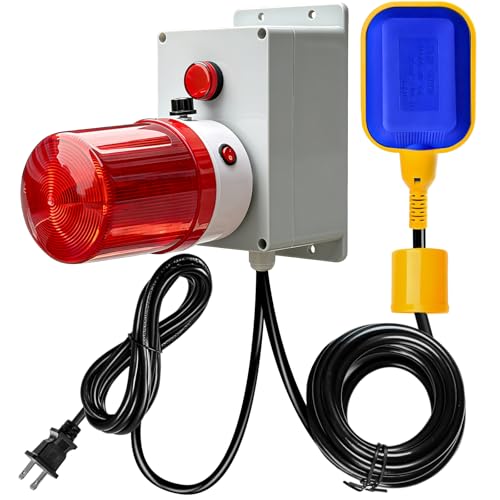
Pros
- 110dB adjustable-volume alarm
- Large LED warning indicator
- IP67 waterproof enclosure
- 10-foot adjustable float-switch range
Cons
- 6-foot power cord limits placement
- Requires float-switch positioning

Pros
- Bright flashing light and 110 dB alarm
- Separate pump and alarm circuits
- IP67 waterproof rating for indoor or outdoor use
- Can connect externally to a submersible pump
Cons
- High-water alarm, not general leak detection
- One-year warranty is relatively short

Pros
- 110dB alarm with bright LED indicators
- 13-foot float switch for earlier detection
- IP67 waterproof enclosure
- UL-listed cords and circuit breakers
Cons
- No battery backup specified
- No remote alerts or app listed

Pros
- 110dB buzzer plus high-brightness LED
- Real-time alerts through the GeniLife app
- IP67 waterproof for indoor or outdoor use
- 10-foot float switch, adjustable detection range
Cons
- Remote alerts require app connectivity
- 6-foot power cord may limit placement

Pros
- 110dB alarm for clear high-water warnings
- Flashing red LED adds visual notification
- IP67 waterproof, weather-resistant housing
- 10-foot cord allows flexible switch placement
Cons
- No app or remote alert listed
- Very loud alarm may be intrusive indoors
Match the Float Switch to the Pit
These devices use a float switch rather than a small moisture contact. As water rises, the float reaches its alarm point and activates the siren, light, or connected pump circuit. That makes placement important: the switch must move freely and sit where rising water will reach it before the pit overflows.
A 10-foot float switch is suitable for many basement sump and septic layouts, while a longer reach can help with a large tank or a mounting point farther from the alarm enclosure. The abyyloe unit is listed with a 13-foot float switch, whereas several other options use a 10-foot switch and a 6-foot power cord.
Keep the float away from the pump, discharge pipe, cords, and sediment that could restrict movement. For background on how this category works, see what a sump pump alarm does.
Pro Tip: Leave enough clearance for the float to rise and fall without touching the pit wall or pump hardware.
Choose the Alert Style for Your Home
A 110-decibel alarm and a bright LED are common across this group, but the practical difference is how you receive the warning. A local siren works well when someone is home and can reach the basement quickly. A flashing light adds a visual cue in noisy or bright spaces.
The Smart WiFi Sump Pump Alarm adds real-time notifications through the GeniLife App, making it the clearest fit for vacation homes, second homes, or households that often leave the property empty. A connected alert is useful only if the network and app remain available, so the built-in sound and light still matter.
Before You Mount It: Do not treat an alarm as a replacement for a functioning sump pump or safe drainage plan. A warning device can notify you about rising water, but it does not remove the water unless the system is connected to a suitable pump as specified.
For broader water protection, review whether water sensors shut the water off. A high-water sump alarm normally warns you, rather than closing a household supply valve.
| Alert type | Detection reach | Best placement |
|---|---|---|
| Local siren | 10-foot float | Occupied basement |
| WiFi notification | 10-foot float | Vacant property |
| Extended float | 13-foot switch | Large tank or pit |
Check Weatherproofing and Electrical Separation
Every listed model includes an IP67-rated enclosure, which supports indoor or outdoor placement according to the product descriptions. That rating does not eliminate the need for careful mounting. Keep connections positioned as directed, protect the power source from standing water, and route cords so they cannot snag the float.
The QHHR model separates its pump circuit from its alarm circuit, allowing the alarm to continue operating if the pump circuit has a problem. That separation is particularly relevant where the alarm may also be connected externally to a submersible pump.
IP ratings describe enclosure protection, not the quality of every installation detail. UL Solutions explains safety and certification concepts, but you should still follow the supplied instructions and local electrical requirements.
Expert Examined
From Jenna Castellano

I keep the alarm enclosure above the highest likely water line and place the float where it can be reached without moving the pump. The mistake I see most often is hiding the alarm in a closed utility area, where a loud warning becomes difficult to hear.
Read more about Jenna CastellanoMatching the Alarm to the Room
I would put Sump Pump Alarm, Briidea Indoor/Outdoor High Water in a typical basement, septic setup, or pond application where a loud local warning is the priority. Its 110-decibel alarm, large LED, IP67 enclosure, 10-foot float switch, and 6-foot power cord cover the core requirements without adding app dependence.
For a property that may sit empty, I would point you to Smart WiFi Sump Pump Alarm. The GeniLife App sends real-time abnormal-water-level notifications, while its built-in 110-decibel buzzer, LED, IP67 enclosure, 10-foot float, and 6-foot power cord preserve local warning capability.
If your mounting point needs more reach, I would choose Sump Pump Alarms-Indoor/Outdoor High Water Septic. Its listed 13-foot float switch can suit a larger pit or tank, and the unit adds a 110-decibel alarm, bright LED, IP67 enclosure, and a stated ability to start a sewage pump for drainage.
The Bottom Line
The biggest mistake buyers make is focusing on siren volume while ignoring float placement. A loud alarm cannot help if the switch is trapped against the pump, mounted too high, or positioned where rising water will not reach it soon enough.
Start by measuring the distance from a secure mounting point to the water level that should trigger action. Then choose the float reach, local or WiFi alert method, and outdoor protection that match that measurement and your ability to respond.
FAQs
A float switch is the relevant sensor type for these high-water alarms because it responds to the rising level in a pit, tank, or septic system. A small floor moisture sensor may detect a spill, but it does not monitor the depth needed for sump overflow protection. Place the float where it can rise freely and reach the desired alarm level before water overflows. Keep it clear of the pump, discharge pipe, cords, sediment, and the pit wall so movement is not restricted. Keep the enclosure and cord connections protected, inspect the float for dirt or obstruction, and confirm that the siren and LED respond when the system is checked according to its instructions. If the model uses app notifications, also maintain the required WiFi connection. IP67 indicates a level of protection against dust and temporary water exposure for the rated enclosure. It does not mean every connection can sit in standing water, nor does it replace proper mounting, cord routing, and electrical precautions.What type of sensor works for a sump pump pit?
Where should I place a sump pump alarm float?
How do I maintain a high-water alarm?
What does an IP67 rating mean for these alarms?
Sources
- UL Solutions safety standards and certification information. www.ul.com
- National Fire Protection Association home safety resources. www.nfpa.org
- US Consumer Product Safety Commission home safety information. www.cpsc.gov