
Shopping for the best smart thermostats under $150 starts with one crucial split: conventional HVAC thermostats and controllers for mini-splits or window units work differently. You need a match for your equipment, whether you are replacing a wall thermostat, adding room sensing, or making ductless cooling smarter.
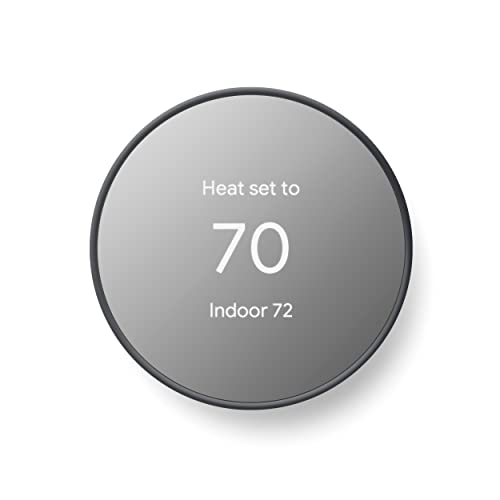
Pros
- ENERGY STAR certified for energy savings
- Remote control from phone, laptop, or tablet
- Programmable schedules in Google Home app
- HVAC monitoring with maintenance alerts
Cons
- C wire may be needed for some systems
- No lock feature for thermostat controls

Pros
- No C wire required
- Mobile app and voice control
- Programmable heating schedules
- Vibrant LCD color screen
Cons
- Remote control depends on WiFi
- No stated safety certification

Pros
- ENERGY STAR certified
- Common wire not required in most applications
- Alexa compatible with remote access
- Usage reports and maintenance reminders
Cons
- Some applications require a common wire
- HVAC compatibility varies by home

Pros
- Energy Star certified
- Color touchscreen and app control
- Works with Alexa, Google Assistant, and HomeKit
- Compatible with 85% of systems
Cons
- Power Extender Kit sold separately
- SmartSensor sold separately
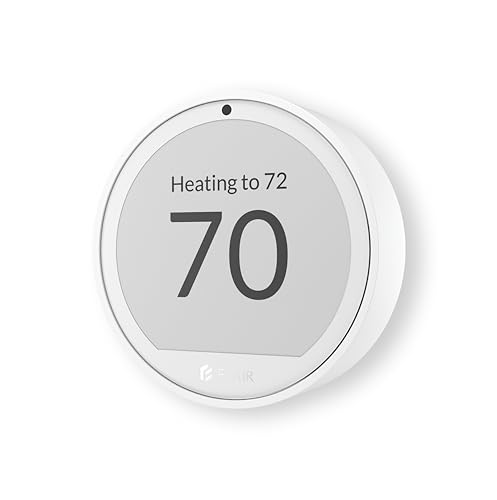
Pros
- Room-by-room temperature and humidity monitoring
- Works with 200+ mini split brands
- Up to 1-year battery life
- Alexa and Google Assistant support
Cons
- Flair Bridge required for central HVAC
- Smart Vents needed for airflow balancing

Pros
- Works with over 20,000 AC models
- AI-based Comfy Max climate control
- Schedules continue during internet outages
- Alexa, Google, SmartThings, and IFTTT support
Cons
- 2.4 GHz Wi-Fi required
- IR remote compatible units only
Match the thermostat to your HVAC system
Traditional 24 VAC systems are the natural fit for Google, Sensi, ecobee, and Hamwesh. Google Nest Thermostat – Smart Thermostat for Home and Sensi Smart Thermostat, Wi-Fi, DIY, Alexa can work without a C wire in many applications, although system compatibility still matters. Ecobee Smart Thermostat Essential supports many conventional, heat pump, boiler, and dual-fuel configurations, with a separate power extender kit for homes without a C wire.
Mini-splits, portable air conditioners, and window units need a different approach. Breez Max Smart WiFi Thermostat for Mini-Split communicates with compatible equipment through infrared control, while Flair Puck 2 Temperature Sensor & Thermostat can control many ductless systems and also work alongside several conventional thermostat brands.
Before buying, identify whether your equipment uses a wall-mounted HVAC thermostat or an infrared remote. That single check prevents choosing a polished thermostat that cannot communicate with your system.
Before You Mount It: A thermostat or controller must be placed where its sensor can represent the room. Avoid direct sunlight, drafts, and locations affected by unusual heat, and check compatibility before connecting it to HVAC wiring.
Scheduling, sensing, and room comfort
Scheduling is useful when your routine changes predictably. Google offers schedules, remote control, Savings Finder suggestions, and HVAC monitoring through Google Home. Sensi adds usage reports, equipment alerts, maintenance reminders, and flexible scheduling, while ecobee combines app control with a color touchscreen and optional SmartSensor support.
Room-by-room control is a different priority from whole-home scheduling. Flair Puck 2 Temperature Sensor & Thermostat monitors temperature and humidity in individual rooms and can pair with Flair Smart Vents. Its Bridge is required for central HVAC use, so include that requirement in your setup plan.
| Control type | Key requirement | Suitable equipment |
|---|---|---|
| Wall thermostat | HVAC compatibility | Conventional systems |
| Room sensor | Bridge or ecosystem | Central HVAC rooms |
| IR controller | Line of sight | Mini-splits and window AC |
If your main complaint is one hot or cold room, a room sensor or vent-based system may address it better than replacing the main thermostat. For a broader look at connected energy devices, browse Smart Energy & Climate Control.
Expert Examined
From Dana Whitfield

I keep seeing homeowners focus on the display while overlooking the equipment connection. The mistake I see most often is treating an infrared AC controller like a wired HVAC thermostat, so I always start with the existing controls and wiring.
Read more about Dana WhitfieldPower, connectivity, and maintenance details
Wi-Fi access enables remote changes, but the products do not all use the same network or control method. Google supports 2.4 GHz and 5 GHz Wi-Fi, while Breez Max uses a 2.4 GHz network and needs to remain within six to twelve feet of the air conditioner with a clear line of sight. Flair Puck 2 is battery-powered and wireless when paired with its Bridge, with battery life of up to one year.
Maintenance features can matter as much as automation. Google can alert you when something seems wrong with heating or cooling, and Sensi provides equipment alerts plus filter-replacement reminders. For connected-device safety context, the US Consumer Product Safety Commission offers household product safety information.
ENERGY STAR certification identifies products meeting that program’s efficiency criteria, but it does not replace compatibility checking. Sensi, Google, and ecobee include energy-focused features, while Breez Max and Flair focus on more targeted control for cooling zones or rooms.
Pro Tip: Confirm your HVAC type, C-wire situation, Wi-Fi band, and required accessories before removing the old thermostat.
Which thermostat fits your home
I would point you to Smart Thermostats for a conventional HVAC replacement shortlist, then choose based on the system details rather than the screen. For broad Google Home control, I would put Google Nest Thermostat – Smart Thermostat for Home in a connected household that wants schedules, remote adjustments, energy suggestions, and HVAC monitoring.
For a DIY-minded homeowner who wants familiar buttons, privacy protection, usage reports, and maintenance reminders, I would choose Sensi Smart Thermostat, Wi-Fi, DIY, Alexa. If the equipment is a mini-split, window AC, or portable unit with an IR remote, I would instead point you to Breez Max Smart WiFi Thermostat for Mini-Split, particularly when weekly schedules, presets, geofencing, and multi-zone control are useful.
The Bottom Line
The biggest mistake is treating every smart thermostat as a universal replacement. Wired HVAC thermostats, room sensors, and infrared mini-split controllers solve different problems, and a C wire, Bridge, or clear line of sight may determine whether the setup works.
If you do only one thing first, identify the equipment type and existing control method. Then verify compatibility, network requirements, and any separately sold accessory before choosing the display or app features you prefer.
FAQs
Mini-splits and many window or portable air conditioners need an infrared controller rather than a conventional wired thermostat. Breez Max is designed for compatible units with IR remote controls, while Flair Puck 2 can control many ductless systems and also integrate with selected central HVAC thermostats. Some models are designed to work without a C wire in many applications, including Google Nest Thermostat and Sensi. Ecobee offers a power extender kit for homes without a C wire, but you should verify system compatibility before installation. Place it where air circulates normally and where its reading represents the room. Avoid direct sunlight, drafts, and unusual heat sources, and keep an infrared controller within the required distance and line of sight of the air conditioner. ENERGY STAR certification indicates that a qualifying product meets the program’s efficiency requirements. It does not confirm compatibility with your particular HVAC equipment, so system checks remain necessary.Which type of smart thermostat suits a mini-split?
Can a smart thermostat work without a C wire?
Where should I place a thermostat or temperature sensor?
What does ENERGY STAR certification mean on a thermostat?
Sources
- US Consumer Product Safety Commission www.cpsc.gov
- ENERGY STAR www.energystar.gov