
Choosing the best smart thermostats that work without wifi means separating local temperature control from app features that need a connection. The key decision is whether you need a conventional HVAC thermostat, a radiator valve, or a floor-heating controller, especially if your home has unreliable internet.
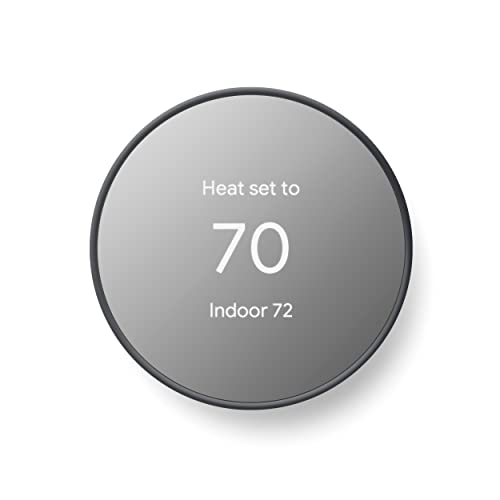
Pros
- ENERGY STAR certified for energy savings
- Remote control from phone, laptop, or tablet
- Programmable schedules in Google Home app
- HVAC monitoring with maintenance alerts
Cons
- C wire may be needed for some systems
- No lock feature for thermostat controls

Pros
- Energy Star certified
- Color touchscreen and app control
- Works with Alexa, Google Assistant, and HomeKit
- Compatible with 85% of systems
Cons
- Power Extender Kit sold separately
- SmartSensor sold separately

Pros
- 5+1+1 weekly programming
- Manual and programmable modes
- Alexa voice control
- Child lock and power-off protection
Cons
- Zigbee hub required, sold separately
- Designed for water heating and boilers
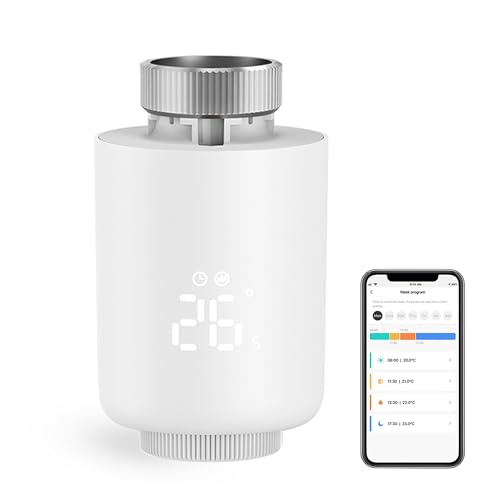
Pros
- Tuya and Smart Life app control
- Alexa and Google Home voice control
- 5+2, 6+1, and 7-day schedules
- Temperature range from 5°C to 45°C
Cons
- Tuya Zigbee hub required separately
- Setup depends on a compatible smart-home system

Pros
- Battery-powered installation, no separate AC wiring
- Smart Life/Tuya app remote control
- Voice assistant compatibility
- 5+2, 6+1, or 7-day scheduling
Cons
- Battery-dependent rather than AC-powered
- Requires Zigbee-compatible smart-home setup

Pros
- 0.5°C temperature accuracy
- 5 to 35°C adjustable range
- Seven-day schedule with six daily phases
- App and Alexa remote control
Cons
- Zigbee hub required and sold separately
- Made for electric floor heating systems
Separate Local Control from Remote Features
A thermostat can still offer useful control from its display or buttons when an app is unavailable. The Google Nest Thermostat – Smart Thermostat for Home provides a programmable schedule through the Google Home app, while the ecobee Smart Thermostat Essential offers a touchscreen and app control. Neither product is described as a Wi-Fi-free smart thermostat, so treat remote access as a connected feature.
Zigbee models take a different route. The Zigbee Smart Thermostat,Programmable, Smart Thermostat Radiator Valve, ChicBosom Smart Thermostat for Tuya Zigbee, and Zigbee Smart Thermostat for Electric Floor all require or use a Zigbee gateway for app-based control. Their local displays, manual modes, schedules, or battery operation matter more if internet access is inconsistent.
Pro Tip: Check whether you need a Zigbee hub before choosing a Zigbee thermostat. The hub is sold separately for the listed Zigbee models.
Match the Thermostat to the Heating System
Do not treat a radiator valve as a replacement for a whole-home HVAC thermostat. The Smart Thermostat Radiator Valve is intended for radiator or floor-heating pipe control, while the Zigbee Smart Thermostat for Electric Floor is specifically designed for electric floor heating and supports a 5 to 35°C adjustable range.
For boilers and water heating, the Zigbee Smart Thermostat,Programmable is the more relevant shape of product because its description names water heating, water boilers, and gas boilers. Conventional HVAC shoppers should first verify compatibility, since Google notes that some systems need a C wire or compatible power accessory, and ecobee provides a compatibility checker for its supported systems.
| Device type | Key requirement | Best placement |
|---|---|---|
| Conventional HVAC | System compatibility | HVAC wall |
| Radiator valve | Zigbee hub | Radiator fitting |
| Electric floor | Zigbee gateway | Heating wall |
For broader connected-home planning, you can also review these Zigbee devices for Home Assistant, but do not assume that a hub supports every thermostat automatically.
Power, Wiring, and Installation Details
Power requirements can decide the purchase before smart features do. The ChicBosom Smart Thermostat for Tuya Zigbee is battery-powered, so it does not need a separate AC power supply. By contrast, Google says the Nest Thermostat is designed to work without a C wire in most homes, but some heating, cooling, zone-controlled, and heat-pump systems need one.
Ecobee offers a Power Extender Kit for homes without a C wire, sold separately. Its compatibility information covers gas, oil, electric, dual-fuel, forced-air, heat-pump, and boiler systems, but you should still confirm your exact setup before removing the existing thermostat.
Before You Mount It: Do not connect a thermostat until the wiring and heating system match the manufacturer’s compatibility information. A Zigbee radiator valve or electric-floor controller is not a general replacement for a conventional HVAC thermostat.
Expert Examined
From Ray Okafor

I keep seeing the wrong device type cause more trouble than the smart-home connection. I would identify the heating equipment and its wiring first, then decide whether local buttons, a battery format, or a Zigbee hub matters most.
Read more about Ray OkaforThe smart thermostat category can help you organize that search, while HomeKit-compatible device planning is useful only if your wider home already depends on Apple HomeKit.
Which Model Fits Your Home
I would point you to the Google Nest Thermostat – Smart Thermostat for Home if you have a compatible conventional HVAC system and want scheduling, HVAC monitoring, and manual temperature adjustment alongside Google Home control. Its C-wire note makes compatibility the first checkpoint, particularly for heat pumps or zone-controlled systems.
For a home centered on boilers or water heating, I would consider the Zigbee Smart Thermostat,Programmable. It provides manual and programmable modes, a child lock, and a Zigbee hub connection for app and voice functions. The Zigbee Smart Thermostat for Electric Floor is the more focused choice for electric floor heating, with a wall display, scheduling, and Tuya Zigbee gateway support.
If wiring is your main obstacle, I would consider the ChicBosom Smart Thermostat for Tuya Zigbee because its battery-powered design avoids a separate AC supply. Its app and voice features still depend on the connected smart-home setup, so the battery advantage does not remove the need to check hub requirements.
The Bottom Line
The mistake most buyers make is treating “smart” as proof that a thermostat works independently of Wi-Fi. These products divide into conventional HVAC units, Zigbee hub devices, radiator valves, and electric-floor controllers, and each category has different installation limits.
First, identify the heating equipment and wiring at the wall. Then choose the model whose local controls, power format, and required hub match that system before considering app or voice control.
FAQs
A thermostat may still offer local manual or programmed control when remote app features are unavailable, but the listed products vary. Wi-Fi, Zigbee hub, and app functions should be treated as separate requirements rather than proof of offline operation. Use a radiator valve for a compatible radiator or pipe-control setup, not as a general HVAC replacement. A conventional wall thermostat is intended for the home’s heating and cooling system, while the listed electric-floor model is designed for electric floor heating. Yes. The Zigbee models in this selection state that a Zigbee or Tuya Zigbee hub is required or used for remote, app, voice, and automation features. The hub is sold separately, so confirm gateway compatibility before installation. Check the heating equipment, wiring, power requirements, and compatibility information. Google notes that some systems need a C wire or compatible power accessory, while ecobee recommends its compatibility checker and offers a separately sold Power Extender Kit for homes without a C wire. ENERGY STAR identifies products that meet the program’s energy-efficiency requirements. It does not mean the thermostat works without Wi-Fi or that it fits every heating system, so you still need to verify equipment compatibility and connection requirements. The ENERGY STAR program explains its certification criteria.Can a smart thermostat work without Wi-Fi?
Should I use a radiator valve or wall thermostat?
Do Zigbee thermostats need a hub?
What should I check before installing one?
What does ENERGY STAR certification mean here?
Sources
- ENERGY STAR program. www.energystar.gov
- U.S. Department of Energy. www.energy.gov