
Choosing the best smart door locks for home is less about adding features than matching entry methods to your household. The key split is whether you prioritize phone-based access, biometrics, or a lock that stays visually discreet.

Pros
- Multiple entry methods, including fingerprint and passcode
- Matter over Thread supports multiple ecosystems
- Rechargeable battery lasts up to six months
- BHMA-certified with IP65 outdoor protection
Cons
- UWB requires specific Apple devices and a Thread hub
- NFC cards sold separately
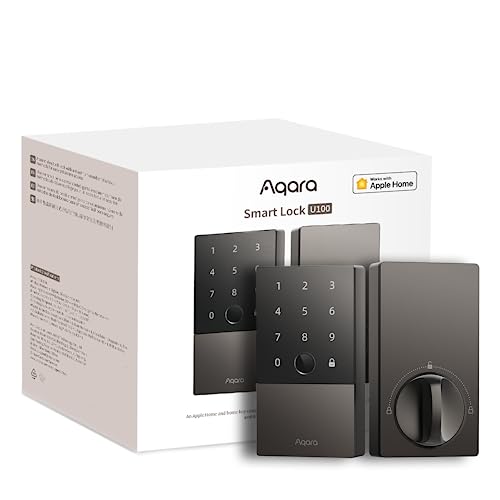
Pros
- Apple Home Key with iPhone and Apple Watch
- Fingerprint reader stores up to 50 prints
- Four AA batteries last up to 8 months
- IP65 zinc-alloy body, emergency USB-C charging
Cons
- Aqara Zigbee hub required for remote passwords
- NFC card sold separately

Pros
- Fingerprint access, up to 50 stored fingerprints
- Built-in Wi-Fi, no hub for app control
- 18-month battery life
- ANSI BHMA certified zinc alloy
Cons
- 2.4 GHz Wi-Fi only
- Matter requires a compatible Thread hub

Pros
- Door sensor supports auto-locking and open-door alerts
- Apple Home Key and Android NFC support
- BHMA Grade 1 certified zinc alloy construction
- IP65 weather resistance for year-round use
Cons
- 2.4 GHz Wi-Fi only
- Requires eight AA batteries

Pros
- 3D face, palm-vein, and fingerprint access
- Seven entry methods for family members
- 12-month 10,000mAh battery
- Matter, Apple Home, Alexa, and Google support
Cons
- Included cylinder required; existing cylinders unsupported
- Fit limited to specified door dimensions

Pros
- 62% smaller, hidden interior and exterior hardware
- BHMA AAA and ANSI grade 1 certified
- Apple Home Key and Matter compatibility
- Door status detection without stick-on magnets
Cons
- Remote access requires a separate hub or bridge
- Keypad access requires a separately sold accessory
Start With the Way You Enter
Apple households have several choices, but they are not identical. Aqara UWB Smart Lock U400, Apple Home Key adds hands-free UWB unlocking for compatible iPhones and Apple Watches, while Aqara Smart Lock U100, Apple Home Key uses a tap, fingerprint reader, passcodes, and a physical key. UWB requires a Thread-enabled Apple Home hub and compatible devices.
Android users should pay close attention to NFC support. ULTRALOQ Bolt NFC Smart WiFi Deadbolt Lock accepts an Android NFC phone tap as well as iPhone, Apple Watch, passcodes, app access, voice control, and a key fob. For a mixed household, that flexibility can matter more than a single platform feature.
Match Access to Your Routine: Choose fingerprint or NFC entry if you regularly arrive with full hands, but keep a physical key or another supported method available for emergencies.
Compare Connectivity Before Installation
Connectivity changes what you need to buy and configure. The ULTRALOQ Bolt SE Wifi Smart Deadbolt Lock includes built-in Wi-Fi for remote management without a hub, while its Matter over Thread functions require a compatible Thread border router. SwitchBot Lock Vision Pro Smart Lock connects directly to Wi-Fi and supports Matter over Wi-Fi without a hub.
Matter is useful for households that use more than one smart-home platform, but a compatible controller or hub may still be necessary. Level Lock Pro – World’s Smallest uses Bluetooth locally and needs a Matter-compatible hub or Level Connect Wi-Fi Bridge for remote access. Read more about what a smart lock bridge does before choosing a model that depends on one.
| Entry method | Connection need | Best household fit |
|---|---|---|
| UWB or Home Key | Apple hub required | Apple device households |
| NFC or fingerprint | Local lock access | Mixed daily routines |
| Wi-Fi or Matter | Network or hub | Remote management |
Battery Planning and Door Awareness
Battery format and status sensing affect everyday ownership. The U400 uses a removable rechargeable battery rated for up to six months, the U100 uses four AA batteries for up to eight months, and the ULTRALOQ Bolt SE advertises up to 18 months through its low-energy Thread connection.
The ULTRALOQ Bolt NFC uses eight AA batteries for up to a year and includes a door sensor for open-door alerts and auto-lock behavior. SwitchBot uses a rechargeable battery rated for up to 12 months, plus a CR123A backup, and its sensors can detect the door closing so it locks immediately.
I keep battery replacement on the same seasonal reminder as smoke-alarm checks. The common mistake is waiting for a low-battery alert, so choose a model with an emergency charging option and keep the correct cable or backup battery accessible.
Expert Examined
From Jenna Castellano

I see homeowners focus on the keypad and forget the network path. I would first confirm the lock’s hub, router, and battery requirements, then verify that the door closes and latches cleanly before relying on auto-lock.
Read more about Jenna CastellanoSecurity Ratings and Physical Fit
A smart lock still depends on the deadbolt, cylinder, strike alignment, and door frame. Level Lock Pro carries BHMA AAA and ANSI Grade 1/A certifications, while the ULTRALOQ Bolt NFC is BHMA Grade 1 and the Aqara U400 is BHMA-certified. These labels describe security, durability, and finish requirements, not every feature in the app.
Weather exposure matters for exterior doors. The Aqara locks, both ULTRALOQ models, and SwitchBot Lock Vision Pro Smart Lock list IP65 protection. Check the existing door dimensions and latch alignment before installation, and review why the strike plate matters if the bolt does not move smoothly.
Before You Mount It: Do not assume a smart lock fixes a door that sticks, sags, or fails to close fully. Correct the mechanical problem first, because auto-lock can leave a partially engaged bolt or prevent the door from securing.
For general information about lock and door hardware safety, consult UL Solutions. Also consider whether your household needs a keypad, a separate key fob, or a physical key for guests who will not use the app.
Which Lock Fits Your Household
I would point Apple users who want the widest set of entry options to Aqara UWB Smart Lock U400, Apple Home Key. Its UWB approach suits compatible iPhone or Apple Watch owners who want hands-free arrival access, while fingerprint, passcode, NFC card, voice, app, and key entry provide alternatives. The rechargeable battery and IP65 exterior also fit a frequently used exterior door.
I would choose ULTRALOQ Bolt NFC Smart WiFi Deadbolt Lock for a mixed iPhone and Android household that wants tap access without opening an app. Its included door sensor, remote code sharing, auto-unlock, and broad ecosystem support make it practical for families, rentals, or guests. Keep the router within the stated range and remember that it uses 2.4 GHz Wi-Fi.
For a home where each person prefers a different biometric method, I would consider SwitchBot Lock Vision Pro Smart Lock. Face recognition, palm vein, fingerprint, NFC, PIN, app, and physical-key access cover varied routines, while local encrypted data and a rechargeable battery reduce dependence on a single entry method.
The Bottom Line
The mistake most buyers make is treating compatibility as a minor detail. A lock can support your preferred ecosystem yet still require a hub, Thread border router, specific phone generation, or nearby 2.4 GHz router for the feature you actually want.
First, write down who needs access and how each person will enter. Then verify the required hub, battery format, door fit, and emergency method before ordering.
FAQs
Fingerprint locks suit households where each person wants a local entry method, while NFC is convenient for compatible phones, watches, or cards. Fingerprints avoid carrying a device, but NFC can be simpler for guests who already use a supported phone. Keep a physical key or backup access method available. Some models include built-in Wi-Fi and can provide remote control without a hub, while Matter over Thread models require a compatible hub or Thread border router. Bluetooth access may work locally even when remote control is unavailable. Check the exact connection requirements before installation. Battery life varies by model and entry method, from rechargeable systems rated for several months to models advertising up to 18 months. Enable low-battery alerts, keep emergency charging equipment accessible, and replace or recharge batteries before the warning becomes urgent. BHMA and ANSI ratings indicate performance categories involving security, durability, and finish. A rating helps compare the lock’s physical hardware, but it does not guarantee internet availability, app performance, or compatibility with your smart-home platform.Are fingerprint or NFC smart locks better for a busy home?
Do smart locks need a hub for remote access?
How often do smart lock batteries need maintenance?
What does a BHMA or ANSI rating mean on a smart lock?
Sources
- BHMA and ANSI lock hardware standards www.buildershardware.com
- UL Solutions safety standards information www.ul.com