
Shopping for the best smart door locks for bedroom means deciding whether quick fingerprint entry or flexible passcodes matter more in your household. Door measurements and battery access are the practical details that separate a convenient room lock from an awkward replacement.

Pros
- Fingerprint handle recognition for keyless entry
- Built-in Wi-Fi with remote app control
- Real-time notifications and event history
- 15-minute installation with no drilling
- Works with left- and right-hand doors
Cons
- Requires eight AA batteries
- IP53 protection limits outdoor exposure

Pros
- Fingerprint handle opens in 0.3 seconds
- Five entry methods, including app and key
- Built-in 2.4GHz Wi-Fi, no hub required
- Up to 100 PIN codes with access logs
Cons
- Requires eight AA alkaline batteries
- Requires specific door hole and clearance
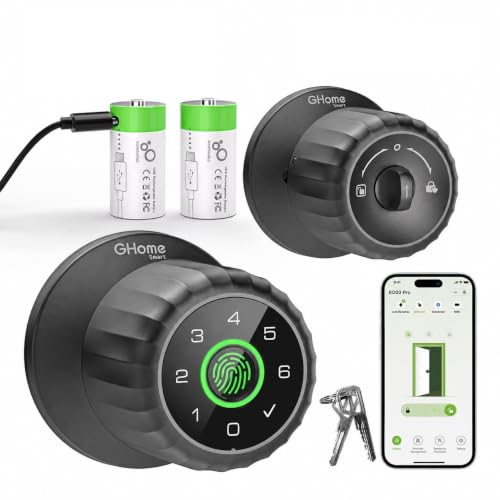
Pros
- 0.2-second fingerprint recognition
- Four entry methods, including backup keys
- Two removable 700mAh rechargeable batteries
- Local fingerprint storage for added privacy
Cons
- Remote access requires separate GHome Gateway
- App control works within Bluetooth range

Pros
- Fingerprint, keypad, NFC, and mechanical key access
- Remote temporary and permanent passcode management
- Entry logs and silent mode in app
- Installs without drilling or wiring
Cons
- Gateway required for Wi-Fi and voice control
- Admin fingerprint setup required before first use

Pros
- Five entry methods for family and guests
- App access records and remote code sharing
- DIY installation with no drilling or wiring
- Works with Alexa and Google via gateway
Cons
- No fingerprint entry
- Voice control requires a separate gateway
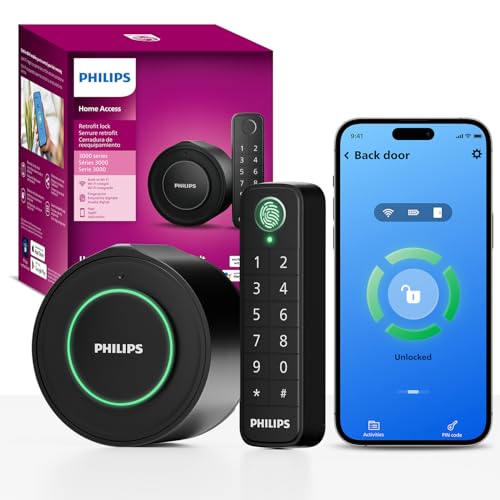
Pros
- Keeps original exterior hardware and keys
- Wireless fingerprint and passcode keypad
- Built-in WiFi, no extra hub required
- Remote app control and access history
Cons
- Requires a 2.4GHz WiFi network
- Keypad must sit within 39 inches
Match the Lock to Your Bedroom Door
A complete knob or handle lock replaces the existing interior hardware and can suit a bedroom, office, or apartment door. The eufy Security Smart Lock C33, Evanshow Smart Door Lock with Knob, and GHome Smart Fingerprint Door Knob with Keypad use this style, but their access and power approaches differ.
A retrofit design is less disruptive if you want to keep the outside hardware and existing keys. The Philips WiFi Smart Retrofit Lock replaces only the interior portion of a compatible deadbolt, while its separate keypad can be positioned within 39 inches of the door.
Before ordering, measure the door thickness, backset, hole size, and clearance around the existing hardware. For broader door-security context, the explanation of why the strike plate matters is worth reading before installation.
Pro Tip: Measure the door and confirm the latch closes smoothly before removing the existing hardware.
Fingerprint, Keypad, or App Access
Fingerprint entry is useful when you are carrying laundry or do not want to remember a code. The GHome Smart Fingerprint Door Knob with Keypad stores fingerprints locally, while the eufy Security Smart Lock C33 combines fingerprint recognition with built-in Wi-Fi and app notifications.
Keypads are more flexible for children, roommates, guests, and scheduled access. The Philips Upgraded Wi-Fi Smart Lock with Handle supports up to 100 passcodes and five entry methods, while the Sifely Keyless Entry Keypad Smart Door Lock with Handle adds app, key, FOB, and knob access.
Bluetooth-only control may be enough for a private bedroom, but it is not the same as remote access. GHome Smart requires a separately sold gateway for remote control and voice assistants, and Evanshow requires a gateway for Wi-Fi or voice control.
| Access style | Main distinction | Suitable bedroom use |
|---|---|---|
| Fingerprint knob | Fast biometric entry | Private family room |
| Wi-Fi handle | Remote logs and control | Shared household access |
| Retrofit deadbolt | Keeps exterior hardware | Existing keyed deadbolt |
Power, Privacy, and Setup Details
Battery format affects maintenance more than many buyers expect. The eufy and Philips handle models use eight AA batteries, GHome uses removable rechargeable batteries, Evanshow uses internal batteries with emergency USB power, and the Philips retrofit model uses two CR123 batteries.
A rechargeable setup can reduce disposable battery changes, especially when the battery can be removed indoors. GHome also provides mechanical keys and emergency USB-C power, while Evanshow’s USB port supplies emergency power but does not charge its internal batteries.
Privacy features matter for bedrooms. GHome includes Privacy Mode, Philips includes Privacy Mode on its upgraded handle, and Evanshow offers silent mode. Set an administrator fingerprint before normal Evanshow use, because any fingerprint can open the lock until that first administrator is registered.
Before You Mount It: Do not assume emergency USB power charges every smart lock. Check whether the port supplies temporary power only, and keep the mechanical key or charged spare battery accessible.
Expert Examined
From Dana Whitfield

I keep the emergency key or spare battery outside the locked bedroom, not inside a drawer beside the door. The mistake I see is treating a low-battery warning as optional, so set a routine for checking alerts and replace or recharge power before it becomes urgent.
Read more about Dana WhitfieldFor broader questions about electronic access risks, the advice in how smart locks can be hacked can help you think about account security and backup entry.
Which Lock Fits Your Household
I would point you to the eufy Security Smart Lock C33 when you want a handle lock with fingerprint access, built-in Wi-Fi, event history, and notifications without adding a gateway. Its left and right door compatibility also suits buyers replacing hardware on several interior or utility doors.
For a busy household that needs many codes, I would choose the Philips Upgraded Wi-Fi Smart Lock with Handle. Its scheduled and one-time passwords, auto-lock range, voice options, and privacy mode make it a strong fit for family members, guests, or a room used for changing routines.
If preserving the outside appearance and existing keys matters most, I would choose the Philips WiFi Smart Retrofit Lock. It adds remote control, a wireless fingerprint keypad, activity records, and voice control while replacing only the interior deadbolt hardware.
The Bottom Line
The mistake most bedroom-lock buyers make is choosing access features before confirming the door’s measurements and hardware type. A fingerprint knob, complete handle set, and retrofit deadbolt are not interchangeable installation choices.
If you do only one thing first, measure the door thickness, backset, hole, and surrounding clearance. Then decide whether your bedroom needs local entry only or Wi-Fi access from outside the home.
FAQs
A fingerprint lock is convenient for household members who want quick entry without remembering a code. A keypad is more useful when guests, children, cleaners, or roommates need separate access codes. Some models provide fingerprint, keypad, key, or Bluetooth access without Wi-Fi. Remote control and voice features may require built-in Wi-Fi or a separately sold gateway, depending on the model. Watch low-battery alerts and keep the specified replacement batteries or a charged removable battery available. Emergency USB power may provide temporary entry without charging the installed batteries. An IP rating describes protection against dust and water exposure. It does not confirm that a lock fits your door or replace checking the manufacturer’s compatibility measurements.Is a fingerprint lock or keypad better for a bedroom?
Can a smart bedroom lock work without Wi-Fi?
How should I maintain the lock’s batteries?
What does IP53 or IP54 mean on a bedroom lock?
Sources
- UL Solutions www.ul.com
- US Consumer Product Safety Commission www.cpsc.gov