
Shopping for the best retrofit smart door locks is mainly about choosing between an inside-only upgrade and a complete keypad or fingerprint system. Renters, homeowners, and hosts should match that choice to their existing deadbolt, preferred entry method, and willingness to manage batteries or hubs.

Pros
- Installs inside without replacing existing deadbolt
- Remote control through Yale Access app
- Unlimited virtual keys for shared entry
- Included Yale Connect for door control
Cons
- Requires an existing compatible deadbolt
- Uses four AA batteries

Pros
- Multiple entry methods, including fingerprint and passcode
- Matter over Thread supports multiple ecosystems
- Rechargeable battery lasts up to six months
- BHMA-certified with IP65 outdoor protection
Cons
- UWB requires specific Apple devices and a Thread hub
- NFC cards sold separately
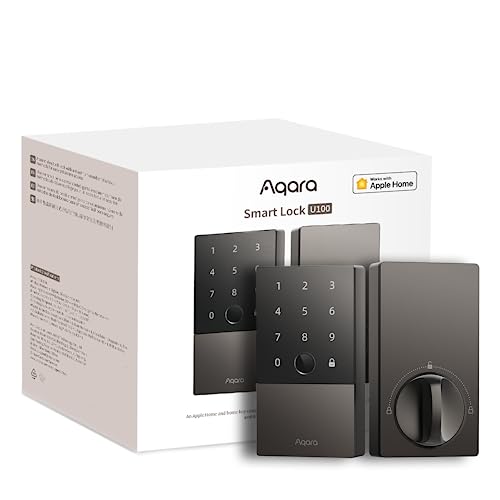
Pros
- Apple Home Key with iPhone and Apple Watch
- Fingerprint reader stores up to 50 prints
- Four AA batteries last up to 8 months
- IP65 zinc-alloy body, emergency USB-C charging
Cons
- Aqara Zigbee hub required for remote passwords
- NFC card sold separately

Pros
- Five entry methods, including fingerprint access
- Stores 50 passwords, fingerprints, and key fobs
- Auto-lock and app-based locking
- Screwdriver installation for standard American doors
Cons
- Remote control requires a separately sold Wi-Fi gateway
- Bluetooth connection limits control without the gateway

Pros
- Eight-minute DIY installation
- Keeps original keys as backup
- Built-in Wi-Fi, no hub required
- Up to 10-month battery life
Cons
- Fits only compatible existing deadbolts
- Keypad sold separately
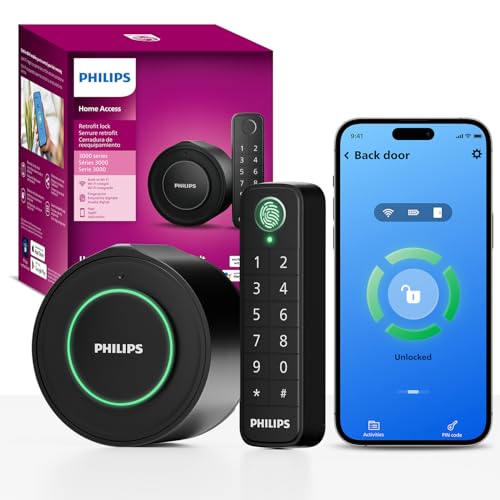
Pros
- Keeps original exterior hardware and keys
- Wireless fingerprint and passcode keypad
- Built-in WiFi, no extra hub required
- Remote app control and access history
Cons
- Requires a 2.4GHz WiFi network
- Keypad must sit within 39 inches
Start With Your Existing Deadbolt
A retrofit lock should work with the hardware already on your door, not force you into drilling or replacing the exterior. Yale Approach Smart Wi-Fi Deadbolt Retrofit, FEOCEY Retrofit Smart Lock for Existing Deadbolt, and Philips WiFi Smart Retrofit Lock all install on the interior while preserving the outside hardware and physical key.
Compatibility still matters. FEOCEY specifies support for Schlage and Kwikset deadbolts, standard door thickness ranges, and common backsets. Philips keeps the original exterior and adds a wireless keypad, while Yale emphasizes inside-only installation without replacing the existing deadbolt. Check the lock type before ordering, especially if your door has unusual hardware.
For broader context on the hardware behind the lock, read our explanation of why the strike plate matters. A smart motor cannot compensate for a deadbolt that already drags or fails to align.
Before You Mount It: A retrofit motor must turn the deadbolt smoothly by hand first. Correct alignment before installation, and keep the original key available as backup.
Choose the Access Method You Will Actually Use
Fingerprint readers reduce dependence on phones and codes, but they add exterior hardware and another access surface. Aqara Smart Lock U100, Apple Home Key supports fingerprints, Apple Home Key, passwords, one-time local passwords, and a mechanical key. Aqara UWB Smart Lock U400, Apple Home Key adds UWB hands-free access, plus fingerprint, touchscreen, app, NFC card, voice assistant, and physical-key options.
If you mainly want remote control and shared access, Yale provides unlimited virtual keys through its app and includes Yale Connect. Philips offers permanent, one-time, scheduled, and recurring passcodes through its wireless keypad. Yamiry stores passwords, fingerprints, and key fobs, while remote control requires its separately sold Wi-Fi gateway.
| Device type | Main access method | Best fit |
|---|---|---|
| Interior retrofit | App and key | Renters and hosts |
| Biometric deadbolt | Fingerprint and code | Frequent keyless entry |
| Keypad knob | Fingerprint and fob | Simple door upgrade |
To compare physical keys with connected access, see our discussion of key lock boxes versus smart locks. A backup key remains useful even when the app is convenient.
Power, Connectivity, and Everyday Upkeep
Battery format and network requirements can shape daily ownership more than a feature list. Yale uses four included AA batteries, Philips uses two CR123 batteries with up to four months of typical life, and Aqara U100 uses four AA batteries with up to eight months of stated life. FEOCEY lists up to ten months under specified usage and includes low-battery alerts.
Built-in Wi-Fi is convenient for remote access without another bridge. FEOCEY connects directly to 2.4GHz Wi-Fi, as does Philips. Yale includes Yale Connect, while Aqara models rely on compatible Thread or Zigbee hubs and controllers for particular ecosystem features.
Expert Examined
From Jenna Castellano

I keep spare batteries near the entry rather than in a distant utility drawer. The mistake I see is choosing a lock for its access features without checking the phone, hub, or battery routine required to use them.
Read more about Jenna CastellanoSmart-home compatibility also deserves attention. The U400 uses Matter over Thread and can connect with multiple platforms when the required controller is present. U100 supports Apple Home directly, while its broader third-party integrations require an Aqara Zigbee hub. The difference between a smart lock and its bridge explains why those extra components matter.
My Picks for Different Door Setups
I would put the FEOCEY Retrofit Smart Lock for Existing Deadbolt on a rental or standard homeowner door where direct Wi-Fi, original-key backup, door-ajar alerts, and a long stated battery interval are priorities. Its removable design also suits someone who may move and reuse the lock.
I would point Apple households toward the Aqara UWB Smart Lock U400, Apple Home Key when hands-free approach access, fingerprint entry, and Matter over Thread support justify the required Apple or ecosystem controllers. For a less elaborate Apple-oriented setup, the Aqara Smart Lock U100, Apple Home Key offers Apple Home Key, fingerprint access, local visitor passwords, and emergency charging.
For a door where you want the exterior appearance left alone and shared app access matters most, I would choose the Yale Approach Smart Wi-Fi Deadbolt Retrofit. Its inside-only design keeps the existing keys available while its app manages virtual keys and activity.
The Bottom Line
The biggest mistake buyers make with retrofit smart locks is assuming every existing deadbolt is compatible. Door thickness, backset, alignment, hub needs, and the location of the interior mechanism all deserve attention before you choose a model.
If you do one thing first, inspect your current deadbolt and confirm its measurements and brand against the product requirements. Then choose the access method you will use most often, whether that is an app, fingerprint, keypad, virtual key, or the physical key you already carry.
FAQs
Retrofit locks can preserve the exterior hardware and existing keys, which is useful for renters, hosts, and homeowners who want a less visible change. They still require a compatible deadbolt and enough interior clearance for the motor assembly. Some connect directly to 2.4GHz Wi-Fi, including the FEOCEY and Philips models in this comparison. Yale includes Yale Connect, while Aqara features may require Thread-enabled Matter controllers or an Aqara Zigbee hub. Check the battery type and the stated operating interval before buying, then enable low-battery notifications where available. Keep replacement batteries nearby and retain the physical key as a backup entry method. BHMA certification indicates that the lock has been evaluated under applicable performance and security requirements. Aqara identifies the U400 as BHMA-certified, while the U100 states that it complies with the same safety standard as BHMA Level 3.Are retrofit smart locks better than replacing the whole deadbolt?
Do retrofit smart locks need Wi-Fi or a hub?
How should I handle smart-lock batteries?
What does BHMA certification mean for a smart lock?
Sources
- BHMA, Builders Hardware Manufacturers Association. www.buildershardware.com
- UL Solutions, Safety and Security. www.ul.com