
Shopping for the best doorbell cameras for cold weather means looking beyond resolution: power type and weather resistance determine whether the camera stays useful through freezing rain and snow. You need to choose between hardwired continuity, flexible installation, and the coverage style that fits your porch.
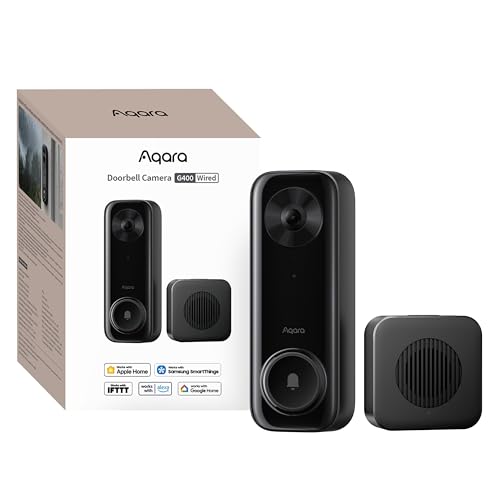
Pros
- 2K video with 165-degree head-to-toe view
- Local person and zone intrusion detection
- HomeKit, Alexa, Google, and SmartThings support
- PoE or 8–24V wired power options
Cons
- Requires wired power or PoE installation
- HomeKit needs iCloud+ and an Apple home hub
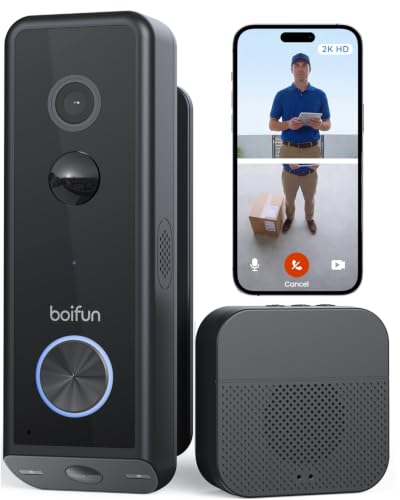
Pros
- Dual cameras cover visitors and packages
- 2K video with color night vision
- No subscription for core features
- Adjustable bracket, wired or wireless installation
Cons
- Supports 2.4GHz WiFi only
- Advanced cloud services may require subscription

Pros
- Sharp 2K video with Head-to-Toe View
- Continuous power from hardwired connection
- Two-way audio with noise cancellation
- IP65 weather-resistant design
Cons
- Requires existing doorbell wiring
- Person detection requires separate Blink subscription

Pros
- 1536p Head-to-Toe HD+ video
- 3D Motion Detection for precise alerts
- Two-way Talk with Audio+
- Certified refurbished with same limited warranty
Cons
- Requires existing doorbell wiring
- Alexa Greetings and extra features require subscription

Pros
- Head-to-Toe 2K video
- Continuous hardwired power
- Included in-home Blink Chime
- Two-way audio with noise cancellation
Cons
- Hardwired installation requires existing wiring
- Person detection requires separate subscription

Pros
- Dual cameras capture visitors and packages
- 2K video with color night vision
- Built-in 8GB local storage
- Wireless or wired installation
Cons
- Supports 2.4 GHz Wi-Fi only
- Rechargeable battery requires periodic charging
Cold Weather Starts With Power
Hardwired models are the simplest choice when your existing doorbell wiring is suitable. Aqara Doorbell Camera G400 with Chime, Wired/PoE, Ring Wired Doorbell Pro, and both Blink wired models are designed for continuous power, so you do not need to remove a battery during a cold spell.
Wireless flexibility can still matter at a rental, detached entry, or location without usable wiring. The eufy Security Video Doorbell E340, Dual Cameras supports a rechargeable battery and can also connect to a 16–24V power source, while the BOIFUN 2026 Dual Camera 2K Video Doorbell supports wired or wireless installation.
Before You Mount It: Do not assume an old transformer or chime is compatible. Shut off power before changing wiring, and use a qualified electrician if you cannot identify the circuit safely.
Coverage Matters More Than Snowy Marketing
Snowy boots, parcels, and visitors occupy different parts of the frame. A head-to-toe view helps with low packages, while dual-camera designs add a dedicated downward view. That makes the BOIFUN and eufy models especially relevant when delivery visibility matters.
Aqara uses a 165-degree field of view with a 3:4 aspect ratio, and its 2K image is intended to show both faces and packages. Ring and Blink also provide head-to-toe views, giving wired shoppers a way to monitor the doorstep without choosing a dual-camera design.
For more placement help, see this explanation of how to angle a video doorbell down. A small downward adjustment can matter when a porch roof, railing, or seasonal decorations block the lower frame.
| Coverage style | Key advantage | Suitable placement |
|---|---|---|
| Dual cameras | Visitor and package views | Delivery-focused porches |
| Head-to-toe view | One broad vertical frame | Standard front doors |
| Wide field of view | More side coverage | Narrow approaches |
Weather Protection and Night Visibility
IP65 appears on Aqara, BOIFUN, and both Blink wired models in the supplied specifications. That rating indicates dust resistance and protection from water exposure, but it does not remove the need for sensible placement. Avoid mounting directly beneath a roof edge that channels meltwater onto the unit.
Night visibility varies by design. BOIFUN uses color night vision with spotlights, eufy combines color night vision with a dual-light system, and Blink switches between true color in low light and black-and-white vision in near darkness. Aqara uses 940nm infrared LEDs for discreet nighttime capture.
Pro Tip: Angle the camera so falling snow is not centered directly in front of the lens, then keep the lens clear after storms. A clean lens improves identification more than a small resolution increase.
For broader maintenance advice, use these steps for cleaning a doorbell camera lens safely. The UL Solutions site is also a useful place to understand how safety markings differ from a product’s weather-resistance claims.
Expert Examined
From Dana Whitfield

I keep the most common cold-weather mistake in mind: mounting the camera where a porch roof protects the device but funnels dripping ice onto the lens. A slightly different angle and a clear drainage path usually help more than adding another detection feature.
Read more about Dana WhitfieldWhich Doorbell Fits Your Entry
I would point you to HomeKit doorbell camera shoppers toward Aqara Doorbell Camera G400 with Chime, Wired/PoE when Apple integration, local detection, and continuous recording are priorities. It also supports Alexa, Google Assistant, SmartThings, RTSP, ONVIF, and NAS backup, giving it unusual flexibility for a wired entry.
I would choose package-focused porch planning with eufy Security Video Doorbell E340, Dual Cameras. Its dual cameras show visitors and parcels, its built-in 8GB storage avoids a subscription, and its battery or wired installation suits homes where running a new cable is inconvenient.
For a lower-cost wired setup with a separate indoor alert, I would consider BOIFUN 2026 Dual Camera 2K Video Doorbell. Its adjustable bracket, color night vision, human detection, and included chime make it practical for a porch that needs both package coverage and audible alerts indoors.
The Bottom Line
The mistake most cold-weather buyers make is treating an IP rating as the whole decision. Power continuity, transformer compatibility, lens placement, Wi-Fi conditions, and the way snow lands on the porch can matter just as much.
Start by confirming whether your existing wiring can support the doorbell you want. Then choose the view you need, mount it away from runoff, and verify that your indoor chime plan still works before the first winter storm.
FAQs
Wired models provide continuous power and avoid removing a battery during cold conditions. Wireless models offer more placement flexibility, but you should confirm how the manufacturer handles charging, battery access, and winter exposure before mounting one in a difficult location. Choose a position with a clear view of faces and packages, while avoiding roof edges that send runoff onto the lens. Angle the camera to reduce direct snow buildup, and keep the lower frame clear enough to show deliveries. Yes. Check the lens after snow, freezing rain, and wind, and remove buildup with a soft, suitable cloth. Also verify that the Wi-Fi connection and indoor chime remain reliable after installation changes or severe weather. IP65 indicates protection against dust and water exposure under the relevant rating system. It does not mean the camera can be submerged or placed where water constantly pours onto it, so mounting location still matters.Are wired or wireless doorbell cameras better in cold weather?
Where should I mount a doorbell camera for snow and rain?
Do doorbell cameras need maintenance during winter?
What does IP65 mean on a doorbell camera?
Sources
- UL Solutions www.ul.com
- National Fire Protection Association www.nfpa.org
- US Consumer Product Safety Commission www.cpsc.gov