
Leaving equipment and materials unguarded overnight turns active builds into easy targets, making the best security cameras for job sites an immediate operational necessity. Unfinished locations lack broadband networks and wall outlets, forcing a choice between standalone cellular transmission and local wireless bridges. Knowing how your perimeter handles power delivery and cellular data determines whether your project stays secure.
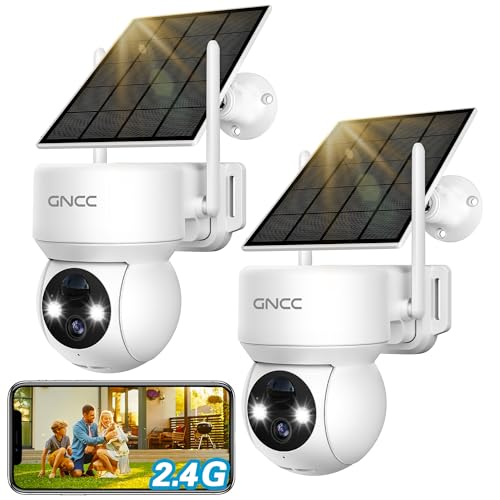
Pros
- Continuous solar power via 3W panel and 5200mAh battery
- Wide 355-degree pan and 90-degree tilt coverage
- Color night vision with built-in spotlight and siren
- Local Micro SD storage support up to 128GB
Cons
- Supports 2.4GHz WiFi only, no 5GHz connectivity
- No continuous 24/7 recording or automatic motion tracking
- Advanced AI detection requires a paid subscription

Pros
- Continuous solar charging with high-capacity battery
- 2K resolution with color night vision
- 360-degree coverage with PIR human detection
- Includes SIM card with seven-day trial
- IP66 waterproof and fireproof outer casing
Cons
- Requires ongoing monthly cellular data subscription
- Memory card not included for local storage
- Operates only within the United States

Pros
- 4G LTE works without WiFi
- 5W solar panel for continuous outdoor power
- 355° pan and 90° tilt coverage
- Color night vision up to 49 feet
Cons
- Requires an ongoing cellular data subscription
- Built-in SIM works only in the United States

Pros
- 4K video with spotlight color night vision
- 355-degree horizontal and 140-degree vertical pan-tilt
- Dual-carrier SIM switches between AT&T and T-Mobile
- Smart AI detection for people, vehicles, and animals
Cons
- Requires recurring cellular data refills via app
- Lacks Wi-Fi support for standard home routers

Pros
- 4K video with 160-degree wide view
- 2800mAh rechargeable battery
- Includes prepaid 4G SIM trial
- AI alerts for people, cars, and pets
Cons
- Requires an active 4G network
- Memory card not included
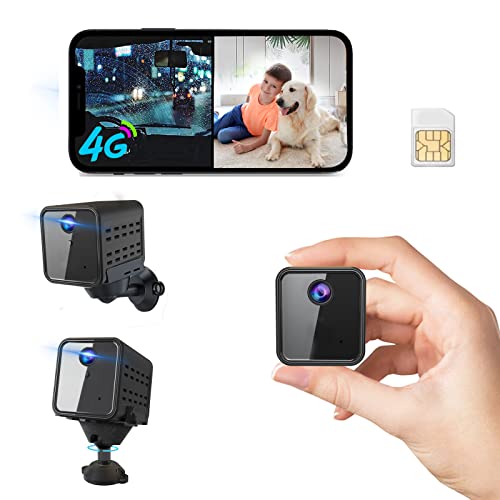
Pros
- Radar motion detection through glass up to 12m
- Crisp 2K QHD resolution over 4G LTE
- Included prepaid SIM card with 300MB trial data
- MicroSD slot supporting 128GB loop recording
Cons
- Requires paid monthly cellular plan after trial
- Setup requires strong outdoor cellular reception
- Restricted to United States cellular networks
Cellular Network Support Versus Local Wi-Fi
Most active work zones lack fixed internet infrastructure during early construction phases. Standard Wi-Fi cameras fail in these environments unless paired with a mobile hotspot, which introduces an extra failure point. Dedicated 4G LTE units solve this by communicating directly with commercial cellular towers through integrated SIM cards that automatically seek strong network signals.
Before deploying hardware, verify network coverage across the property perimeter. Cellular cameras require adequate upload bandwidth to push live video alerts and sync event clips to storage services. When setting up these systems, check what do the lights on a security camera mean during boot cycles to confirm signal lock before bolting brackets into position.
| Connectivity | Power Source | Best Location |
|---|---|---|
| 4G LTE Cellular | Solar and Battery | Remote Perimeters |
| 2.4GHz Wi-Fi | Solar Panel | Office Trailers |
| Cellular Mini | Internal Battery | Tool Lockboxes |
Carrier Data Needs: Off-grid cellular cameras use data plans that charge monthly or annually. High-traffic work areas consume plan allowances faster when human tracking triggers dozens of daily video uploads.
Power Autonomy and Weather Resistance
Trenching AC wiring across a changing build zone is impractical and creates physical trip hazards. Modern job site surveillance relies on high-capacity internal batteries paired with continuous solar panels rated between 3W and 5W. These panels keep sensors topped off even through overcast afternoons, preventing dark periods when contractors leave for the weekend.
Physical durability matters just as much as battery longevity. Job sites generate heavy dust, flying debris, and open exposure to driving rain. Enclosures carrying an IP65 or IP66 rating keep moisture away from internal lenses and communication boards, ensuring hardware endures changing seasons without shorting out.
Expert Examined
From Jenna Castellano

I frequently see site managers mount solar panels directly under temporary scaffolding or overhangs. Shifting afternoon shadows starve the battery within days, so always secure the collector facing south with completely clear sky access.
Read more about Jenna CastellanoSensors also need protection against false triggers caused by loose plastic wrap or tree limbs. Advanced units combine passive infrared detection with radar to ignore ambient background movement. This focus on true motion ensures alerts represent actual human or vehicular intruders rather than wind gusts.
Secure Your Footage: Ensure your video files maintain continuous timestamps and valid metadata. If equipment theft occurs, whether that security camera footage is admissible in court depends on verified digital integrity and clear chain of custody.
Coverage Angles and Evidence Capture
Static lens angles leave large blind spots across sprawling yards and material staging grounds. Pan and tilt mechanisms allow project managers to sweep up to 355 degrees of terrain from a remote phone screen. Preset guard tours and automated tracking ensure the lens follows an intruder across the entire equipment yard.
Night vision quality dictates whether recorded clips actually identify suspects. Infrared illuminators provide discreet perimeter viewing without lighting up the work area, while high-lumen spotlights expose full color details like clothing and vehicle paint. For closed job trailers or mobile tool cribs, compact units can even track movement through glass or monitor small entry doors discreetly.
Selecting Hardware for Your Work Zone
For large open perimeters where you need maximum resolution and wide panning coverage, I would point you to the REOLINK 4K Solar Security Cameras. Its 4K sensor captures sharp license plates and facial details, while the multi-carrier SIM card automatically switches between national networks to maintain off-grid streaming.
If you need dependable perimeter tracking on an active build without a complex setup, I recommend the Tefrio No WiFi Security Camera, 4G LTE Cellular. Its 5W solar collector provides steady power, and the 4MP pan-tilt assembly sweeps full property boundaries. For job trailers or finished interior staging where local wireless networks already run, the GNCC Solar Cameras Wireless Outdoor delivers reliable 360-degree event tracking without recurring cellular charges. Check our dedicated security cameras category for complementary monitoring options.
The Bottom Line
The most common mistake on job sites is buying Wi-Fi cameras and expecting them to function off spotty mobile hotspots. When connectivity drops, remote visibility disappears entirely, leaving expensive assets completely unprotected. Off-grid job sites demand hardware built specifically for autonomous solar power and standalone 4G LTE data transfer.
Begin by surveying the exact cellular carrier signal available at your property line with your personal phone. Once you confirm network reception, mount your cellular cameras along the primary material delivery gates facing south for uninterrupted solar charging.
FAQs
Do job site security cameras need Wi-Fi to function?
Dedicated off-grid cameras do not need Wi-Fi. They use internal 4G LTE cellular SIM cards to broadcast live video feeds and push motion alerts directly to your mobile phone over commercial data networks.
How do solar security cameras stay powered during rainy weeks?
Solar cameras feature internal rechargeable lithium-ion battery banks that hold several weeks of standby power. The solar panel continuously trickle-charges the unit during daylight, even under heavy cloud cover.
Can job site cameras record continuously around the clock?
Battery and solar cameras record event-based clips when their PIR or radar sensors detect movement. Continuous 24/7 streaming quickly depletes internal batteries and consumes massive amounts of monthly cellular data.
What happens when a camera memory card gets full?
Most job site cameras support automatic loop recording on microSD cards up to 128GB. When local storage reaches capacity, the software overwrites the oldest footage with fresh recordings automatically.
Sources
- Federal Communications Commission Equipment Authorization www.fcc.gov
- Occupational Safety and Health Administration Construction Standards www.osha.gov