
Finding the best portable security cameras means deciding between Wi-Fi dependency for domestic travel and independent cellular networks for remote transit. Renters and frequent travelers often compromise on mounting hardware or battery life before realizing how difficult off-grid syncing can be. Matching power cell capacity to network availability keeps surveillance functional away from permanent wall power.

Pros
- Sharp 2.5K QHD resolution with color night vision
- Quick magnetic mounting on metal surfaces
- Local storage support for cards up to 256GB
- IP65 weatherproof rating protects against dust and rain
- Integrated spotlight, loud siren, and two-way talk
Cons
- Brief 5 to 7 day battery life between charges
- Incompatible with 5 GHz Wi-Fi bands
- Micro SD card not included for local storage
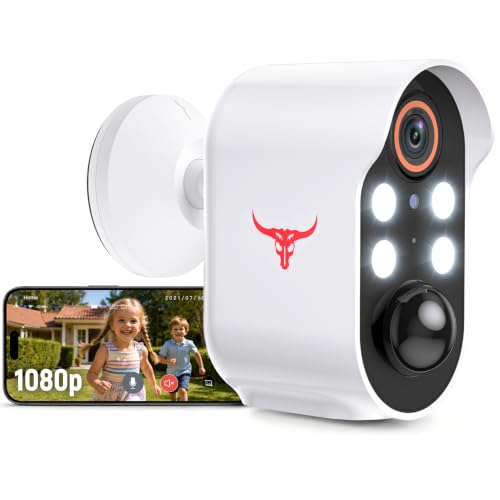
Pros
- 1080P video with 120-degree wide angle
- 5200mAh rechargeable battery
- AI human-motion detection and alerts
- Two-way audio with remote app control
Cons
- Cloud storage sold separately
- 2.4GHz Wi-Fi required

Pros
- Powerful neodymium magnet holds camera firmly
- Full 360-degree adjustable rotation angle
- Three-screw baseplate improves wall stability
- Dedicated wire-hanging holes manage loose cables
- Waterproof build handles indoor and outdoor placement
Cons
- Nest Cam hardware not included in box
- Requires screw drilling into flat surfaces
- Limited strictly to Google Nest Cam Battery

Pros
- 10000mAh battery lasts up to 300 days
- 2K QHD resolution with 142-degree field of view
- Full-color night vision with Starlight sensor and spotlights
- Magnetic base allows tool-free attachment to metal surfaces
- IP66 weatherproof housing for outdoor use
Cons
- Solar panel for continuous power sold separately
- Google streaming limited to Chromecast and Nest displays

Pros
- 1080P video with 120-degree wide coverage
- Night vision works in low light
- Motion recording removes idle footage
- Battery or wall-power operation
Cons
- Requires WiFi and a mobile app
- Indoor security camera only

Pros
- 4G LTE operation without WiFi
- Rechargeable battery, no outlet required
- 2K video with 355° pan
- AI human detection and two-way talk
Cons
- Pre-installed SIM card is non-replaceable
- Continued service requires a data plan
Connectivity Protocols Beyond Home Networks
Portable deployments frequently take hardware beyond a standard home router. Units utilizing local 2.4 GHz Wi-Fi depend on nearby network infrastructure, making them suitable for temporary stays in apartments or rented offices. If you operate in recreational vehicles or remote properties without local internet, a dedicated cellular connection becomes essential for reliable security cameras in transit.
Cellular-equipped hardware eliminates Wi-Fi handshakes entirely by utilizing built-in carrier data profiles. According to standards managed by the Federal Communications Commission, wireless transmitters must maintain stable frequency compliance across shifting regional bands. If a signal drops during transit, cameras with dual transmission fallback preserve connectivity better than standard residential monitors.
Battery Management and Quick Relocation
Real portability demands mounts that detach without leaving anchor holes or stripping drywall. High-strength neodymium magnetic bases permit rapid transfer between outdoor gutters, vehicle frames, and metal entry doors. When repositioning devices between rooms, checking what the lights on a security camera mean confirms quick network synchronization before leaving the unit unattended.
| Camera Type | Power Source | Best Location |
|---|---|---|
| Cellular Pan-Tilt | Internal Battery | Remote Cabins |
| Magnetic Wi-Fi | Rechargeable Cell | Temporary Rentals |
| Covert Mini Cam | Dual Power Mode | Indoor Desks |
Battery capacity dictates how frequently a portable unit demands a wall outlet. Small internal cells may deliver only several days of standby surveillance, whereas extended 10,000mAh reservoirs provide months of intermittent monitoring. Cold weather outdoor placements drain power reserves faster, requiring strategic placement away from excessive wind chill.
Expert Examined
From Dana Whitfield

The mistake I see travelers make is mounting magnetic cameras where passersby can simply pluck them off. I keep my portable lenses positioned at least eight feet up on ferrous metal trim, using reach rather than permanent screws for security.
Read more about Dana WhitfieldLocal Storage Versus Off-Site Data
Off-site cloud subscriptions quickly become unusable when traveling through areas with congested mobile networks or metered hotel logins. Evaluating whether security camera footage is admissible in court often hinges on verifying that local files remain unaltered on an onboard micro SD card. Direct onboard recording ensures continuous evidence logging even when transmission links fail entirely.
Pro Tip: Choose a high-endurance memory card designed for rapid rewrite cycles, as frequent portable repositioning generates dense motion logs that overwhelm standard storage media.
Encrypted event archives prevent tampering if an unauthorized person discovers a hidden lens or detaches a magnetic base. Unlike fixed systems that rely on complex facial recognition capabilities, portable models focus on efficient human detection algorithms. Selecting units with onboard AI processing cuts unnecessary recording clips, keeping local memory free for genuine security events.
Check Mounting Accessories: Using third-party magnetic brackets without verified weatherproof seals can expose internal ports to moisture or allow wind gusts to dislodge the camera entirely.
Matching Cameras to Your Travel Needs
I would point anyone outfitting an off-grid location or travel trailer toward the LIWAN 4G LTE Cellular Security Camera Indoor. Its integrated cellular modem frees you from hotel captive portals or spotty public Wi-Fi, while the 360-degree pan and tilt mechanical sweep covers an entire camper layout from a single shelf.
For standard residential road trips and temporary rentals with working internet, I suggest the Tapo MagCam 2K+ Security Camera Wireless Outdoor. The massive 10,000mAh battery provides remarkable endurance, and the magnetic mounting base lets you attach it to any ferrous frame instantly without tools. It gives you 2K clarity and integrated person detection without demanding an active subscription fee.
If you need perimeter coverage across two distinct entry points on a modest budget, I recommend the CINMOORE 2 Pack 2.5K Security Camera. Getting a pair of weatherproof, battery-operated units with magnetic bases and built-in sirens offers great versatility for multi-room monitoring or temporary exterior surveillance.
The Bottom Line
The single biggest mistake buyers make with portable hardware is assuming Wi-Fi cameras will connect reliably through captive-portal hotel logins or guest networks. These networks often block peer-to-peer streaming or force periodic re-authentication, leaving battery cameras disconnected without warning.
Before packing your gear, verify whether your destination offers an open 2.4 GHz network or if you need cellular hardware to bypass local routers. Format your onboard micro SD cards at home and complete app pairing before traveling, ensuring surveillance begins the moment you unpack.
FAQs
Can portable security cameras connect to hotel Wi-Fi networks?
Most battery cameras cannot navigate hotel captive portals that require a web browser sign-in. If you need portable surveillance inside hotels, choose a cellular LTE camera or tether the unit to a portable travel router that handles authentication separately.
How long do battery-powered portable cameras last between charges?
Battery longevity depends on onboard cell capacity and daily trigger frequency. Compact units with 5200mAh batteries generally operate for five to seven days under frequent motion, whereas larger 10,000mAh packs can last several months under moderate event schedules.
Do magnetic camera mounts hold securely outdoors?
Quality magnetic mounts use strong neodymium magnets capable of resisting heavy wind and minor physical bumps. However, they should always attach to flat, thick ferrous metal surfaces away from reach to prevent physical tampering or theft.
Can portable cameras record without any internet connection?
Yes, many battery cameras record motion clips directly to an internal micro SD card even when network access drops. While you will lose live viewing and remote push notifications, all event footage remains stored locally for later playback.
Sources
- Federal Communications Commission www.fcc.gov
- UL Solutions Standards and Safety www.ul.com