
Running the best plug-in security cameras removes the frustration of climbing ladders to recharge drained batteries every few months. The primary fork in this category separates standalone Wi-Fi units designed for single rooms from multi-camera recorder setups built for whole-property coverage. Homeowners seeking continuous local recording need dependable mains power rather than sleep-mode wake triggers.

Pros
- Pre-installed 3TB drive with no monthly fees
- Eight 5MP cameras expandable to ten channels
- IP66 waterproof rating withstands -13°F to 122°F
- AI human detection filters pet false alerts
Cons
- Wired plug-in power required at camera locations
- One-way audio lacks two-way talk capability

Pros
- Full 360-degree pan-tilt auto tracking
- Sharp 2K resolution and monochrome night vision
- Dual-band Wi-Fi with quick Bluetooth pairing
- Local storage support up to 128GB TF card
- Built-in deterrent siren and two-way audio
Cons
- Requires continuous plug-in power connection
- TF storage card not included in box
- Alexa compatibility limited to live streaming only
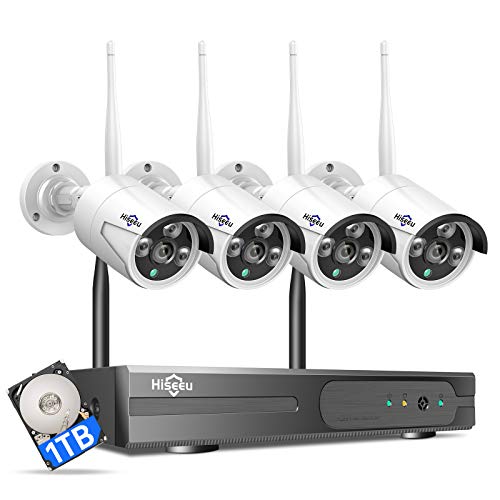
Pros
- Pre-installed 1TB hard drive with zero subscription fees
- Continuous 24/7 recording via corded plug-in power
- IP66 weather resistance rated from -13°F to 122°F
- AI human detection filters out pets and shadows
- Scalable 4K NVR system supports up to 10 channels
Cons
- Corded plug-in setup requires nearby power outlets
- One-way audio permits listening only without two-way talk
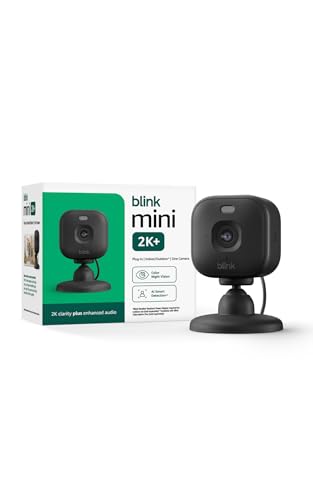
Pros
- Sharp 2K video resolution with 4x zoom
- Two-way audio featuring noise cancellation
- Works as a chime for Blink Video Doorbell
- Compact design measuring roughly two inches square
Cons
- Person and vehicle alerts require a paid subscription
- Outdoor placement requires a separate weather-resistant adapter

Pros
- Dual 2K lenses for combined 360-degree coverage
- Motorized tracking with 330-degree pan and 90-degree tilt
- Dual-band 2.4GHz and 5GHz Wi-Fi connectivity
- Full-color night vision via eight integrated LEDs
Cons
- Requires nearby wall outlet for plug-in power
- MicroSD card not included for onboard recording

Pros
- Spotlight-free color night vision with f/1.2 aperture
- 360-degree pan and tilt with AI motion tracking
- IP66-certified weatherproofing for indoor or outdoor use
- Continuous 24/7 recording via plug-in power
- Subscription-free local storage up to 256GB
Cons
- Requires continuous wired power and a nearby outlet
- Incompatible with HomeKit and HomeBase 2
- MicroSD storage card sold separately
Continuous Recording Versus Motion Capture
Battery-powered models conserve charge by keeping their image sensors dormant until an infrared sensor trips. Plug-in hardware draws constant current from an outlet, which permits true continuous recording without dropping the first few seconds of an event. This steady draw allows higher processing overhead for on-device vehicle, pet, and human detection without penalizing battery longevity.
Constant power also alters how footage is archived. Standalone units push short motion clips to a cloud server or local microSD card, while multi-camera systems route live feeds into a central hard drive. Understanding what is an NVR and how it is different from a DVR helps determine whether your home network can handle direct continuous streams.
| Camera Style | Continuous Capture | Ideal Placement |
|---|---|---|
| Standalone Indoor | MicroSD or Cloud | Living Areas |
| PTZ Outdoor | Local Card or NVR | Driveways and Yards |
| Multi-Cam System | Hard Drive NVR | Full Property |
Weatherproofing and Exterior Cord Management
Placing a corded camera outdoors introduces vulnerabilities that indoor hardware never encounters. Moisture can track along low-voltage wiring directly into your exterior outlet or brick penetration. Exterior cameras require at least an IP65 rating to endure rain, while an IP66 enclosure offers superior resistance against pressurized washdowns and driven sleet.
Outdoor Cord Vulnerability: Exposing a low-voltage power cable invites moisture intrusion and vandalism. Always run exterior cords through protective conduit or route them immediately through an exterior wall into an indoor outlet.
Outdoor installations must comply with standards from the National Fire Protection Association regarding outdoor electrical wiring and weatherproof junction boxes. Unsealed cords left dangling invite weather damage and can even trip your home ground-fault circuit interrupter during heavy downpours.
Expert Examined
From Dana Whitfield

The mistake I see most often is owners plugging outdoor cameras into unsealed patio outlets without a drip loop. Water follows the cable straight into the connection, shorting the camera transformer during the first severe storm.
Read more about Dana WhitfieldNight Vision Hardware and Sensor Types
Night surveillance relies heavily on sensor aperture and auxiliary illumination. Traditional monochrome night vision projects invisible infrared light, keeping nighttime monitoring discreet so it will not wake sleeping household members. Interpreting status lights is equally vital, so understanding what do the lights on a security camera mean helps prevent unwanted glare against indoor window glass.
Spotlight-driven color night vision activates bright white LEDs whenever movement occurs, providing full-color verification of clothing or vehicles. Larger physical sensor apertures, such as f/1.2 glass, pull in ambient street illumination without requiring harsh supplemental spotlights. If you need smart detection features, review whether do security cameras have facial recognition before relying on basic human filtering.
Pro Tip: Avoid aiming indoor night vision cameras through glass windows. Infrared LEDs reflect off double-pane glazing, blinding the camera sensor and leaving the yard completely black.
Selecting the Right Wired System for Your Property
For whole-property exterior surveillance, I would point you to the Hiseeu 5MP Home Security Camera System Outdoor. Its 3TB hard drive stores continuous high-resolution feeds from eight distinct points without monthly cloud fees, and the IP66 rating handles freezing winter climates down to -13 degrees Fahrenheit.
For flexible indoor monitoring, I prefer the eufy Security Indoor/Outdoor Camera for its wide f/1.2 aperture and 360-degree pan-tilt coverage. It tracks movement cleanly across shared living spaces and avoids blinding white spotlights by using high-sensitivity ambient night vision. Single-room check-ins on a strict budget fit the compact Blink Mini 2K+ (newest model), which mounts unobtrusively on shelves and pairs directly with smart voice displays.
The Bottom Line
The single thing most buyers get wrong is underestimating cable routing requirements before buying corded hardware. A camera is only as dependable as its power connection, and buying units without checking the distance to your nearest outlet leads to messy extension cords that undermine home security.
Before purchasing hardware, walk your property and map every available outlet location. Ensure each chosen mounting spot sits within reach of the supplied power cable, and verify that your Wi-Fi signal maintains strong bandwidth at that exact exterior wall.
FAQs
Do plug-in cameras work during a power outage?
Plug-in cameras shut down when household electrical service drops unless they are connected to an uninterruptible power supply. Battery-powered units stay active during grid outages, but wired models require backup battery stations to maintain recording through a blackout.
Can outdoor plug-in cameras use indoor extension cords?
Indoor extension cords degrade quickly when exposed to sunlight, rain, and freezing temperatures. Outdoor cameras must use weather-rated power supplies and outdoor-rated cords sealed inside weatherproof outlet covers to prevent electrical hazards and moisture damage.
How much internet bandwidth do continuous plug-in cameras consume?
Continuous cameras using modern H.265 compression reduce data consumption by roughly half compared to older formats. Standalone cloud units stream constantly, whereas systems connected to a local network video recorder keep all heavy video traffic off your internet connection entirely.
Is a subscription required to use plug-in security cameras?
Many plug-in cameras operate entirely without subscriptions by storing video footage directly on local microSD cards or internal network video recorder hard drives. Subscriptions are generally optional and provide cloud backups, extended video history, and specialized cloud-based artificial intelligence alerts.
Sources
- National Fire Protection Association www.nfpa.org
- Underwriters Laboratories Standards www.ul.com