
Securing your property with the best easy-to-install home security cameras often hinges on whether you have a clear path to an outdoor power source. Renters and those without exterior outlets typically favor battery-operated or window-based systems, while homeowners might prefer permanent NVR kits for a set-it-and-forget-it approach.
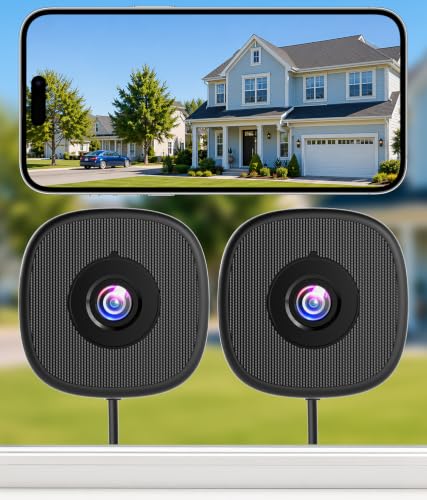
Pros
- No-drill peel-and-stick installation
- 2K video with starlight color night vision
- 2.4GHz and 5GHz dual-band Wi-Fi
- AI alerts for people, vehicles, pets, packages
Cons
- Indoor window placement only
- MicroSD card not included for continuous recording
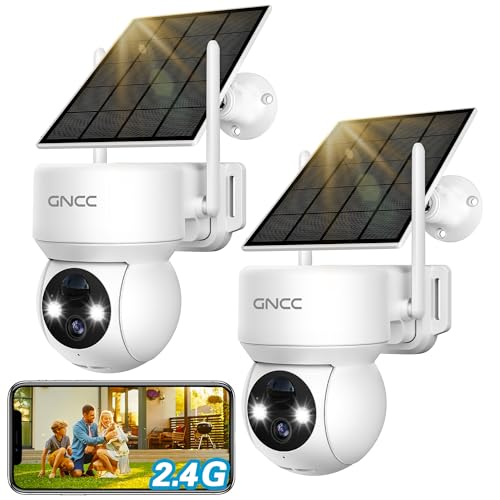
Pros
- Continuous solar power via 3W panel and 5200mAh battery
- Wide 355-degree pan and 90-degree tilt coverage
- Color night vision with built-in spotlight and siren
- Local Micro SD storage support up to 128GB
Cons
- Supports 2.4GHz WiFi only, no 5GHz connectivity
- No continuous 24/7 recording or automatic motion tracking
- Advanced AI detection requires a paid subscription

Pros
- Triple detection combining radar, PIR, and AI
- Truecolor 4K night vision with F/1.0 aperture
- Detachable solar panel needs 90 minutes daily sun
- Auto-tracking with 355-degree pan and 90-degree tilt
- Encrypted local MicroSD storage up to 256GB
Cons
- Cross-camera tracking requires separate aosuBase
- Requires 90 minutes of direct daily sunlight

Pros
- Integrated solar panel with 180-day backup battery
- Detailed 4K 8MP resolution with 18x digital zoom
- Subscription-free local AI person, pet, and vehicle detection
- Dual-band 2.4 GHz and 5 GHz connectivity
- Magnetic base for quick outdoor mounting
Cons
- Solar charging stops at or below 32 degrees
- MicroSD card for local storage sold separately

Pros
- Standalone 4G LTE connection without local Wi-Fi
- Detailed 2K resolution with 150-degree viewing angle
- Magnetic base mounts quickly to metal surfaces
- Infrared night vision reaches up to 16.5 feet
Cons
- Requires ongoing cellular data plan after trial
- Restricted to indoor or weather-protected locations
- Standby battery limited to roughly 15 days

Pros
- Dedicated 7-inch touchscreen monitor included
- Sharp 3MP resolution with 100-foot night vision
- IP66 weatherproof housing on outdoor cameras
- Local storage up to 256GB with no subscriptions
Cons
- Four-channel NVR limits system to four cameras total
- Includes only two cameras out of the box
Selecting Your Mounting Style
The primary hurdle in DIY setup is the physical attachment to your home. If you want to avoid exterior renovations, the MISECU 2K No Drill Window Camera allows you to monitor an entry point from behind glass without touching the siding. This method bypasses the need for ladders or power tools entirely.
For those covering a backyard or detached garage, a magnetic or solar mount provides the necessary flexibility. The Tapo MagCam 4K Outdoor Wireless Security Camera utilizes a magnetic base for rapid placement.
Pro Tip: Always test your Wi-Fi signal strength at the mounting spot before peeling off any adhesive strips or drilling holes.
Managing Power and Connectivity
Reliable power is the second decision factor for your surveillance layout. Solar-equipped models like the aosu T2 Ultra 4K Security Camera Wireless Outdoor significantly reduce the need for manual recharging by capturing energy throughout the day. These units are ideal for remote spots where climbing a ladder every month to swap batteries is not practical.
If you are monitoring a space with no local Wi-Fi, such as a detached shed or a storage unit, you will need a specialized cellular connection. The Mini 4G LTE Cellular Security Camera relies on mobile data rather than a home network to transmit footage.
Heads Up: Check your cellular carrier coverage map for the specific site before relying on a 4G camera for critical entry points.
| Camera Type | Power Source | Ideal Location |
|---|---|---|
| Window Mount | USB Cable | Interior facing out |
| Solar Battery | Sunlight | Exterior walls/roofs |
| NVR System | Wall Outlet | Stationary monitoring |
Understanding Local vs Cloud Storage
Deciding where your video evidence lives is vital for long-term security. Many modern systems support local SD card storage, which keeps your footage private and avoids recurring monthly fees. You can learn more about how these hardware choices affect the overall system at Home Security Systems.
Expert Examined
From Dana Whitfield

I frequently see users mount cameras too high, which results in footage of the top of heads rather than faces. I suggest mounting your device at eye level or slightly above to ensure the PIR sensor and lens capture usable identification details.
Read more about Dana WhitfieldFor comprehensive management, some kits include their own screens to bypass phone-based setup entirely. The ANNKE Wireless Security Camera System offers a touchscreen monitor, which is helpful if you want to avoid relying on a smartphone app or cloud subscriptions.
Tailored Choices for Your Home
I would point most renters toward the MISECU 2K No Drill Window Camera because it respects your lease agreements while providing clear outdoor visibility through glass. It removes the stress of exterior mounting and keeps the wiring safely inside.
For homeowners looking to secure a perimeter without wiring work, I would put the Tapo MagCam 4K Outdoor Wireless Security Camera on the exterior walls. Its magnetic mount is exceptionally user-friendly, and the solar-integrated design makes it nearly maintenance-free during the summer months.
If you are setting up a more permanent, high-resolution solution for a large property, the aosu T2 Ultra 4K Security Camera Wireless Outdoor delivers superior image quality and advanced detection. Its radar and AI triple-detection system is particularly effective at ignoring common false alarms like wind-blown foliage.
The Bottom Line
Most buyers struggle when they ignore the limitations of their existing Wi-Fi signal or power access. Placing a camera in a perfect location is useless if the signal cannot reach your router or the battery dies within a week because of heavy traffic.
Start by verifying your signal strength at the proposed location before finalizing any purchase. If the signal is weak, prioritize a system that supports a base station or consider an NVR system that creates its own dedicated network to ensure stable, reliable footage.
FAQs
Do I need professional installation for these cameras?
No, all these options are designed for DIY setups. They typically require only basic hand tools or adhesive mounts, and most use simple app-based or plug-and-play interfaces.
Can I use these cameras during a power outage?
Most battery-powered and solar units will continue to record during an outage. However, ensure your home router has battery backup if you require real-time alerts while the power is out.
What is an NVR system?
An NVR, or Network Video Recorder, is a dedicated system that stores footage from digital cameras. You can read more about the differences in recording technology at what is an NVR and how is it different from a DVR.
Are there privacy concerns with these cameras?
Privacy is managed through local storage or encrypted cloud accounts. Many modern cameras allow you to set privacy zones to avoid recording sensitive areas like neighbor windows or public streets.
Sources
Sources
- Federal Communications Commission – Information on wireless devices. www.fcc.gov