
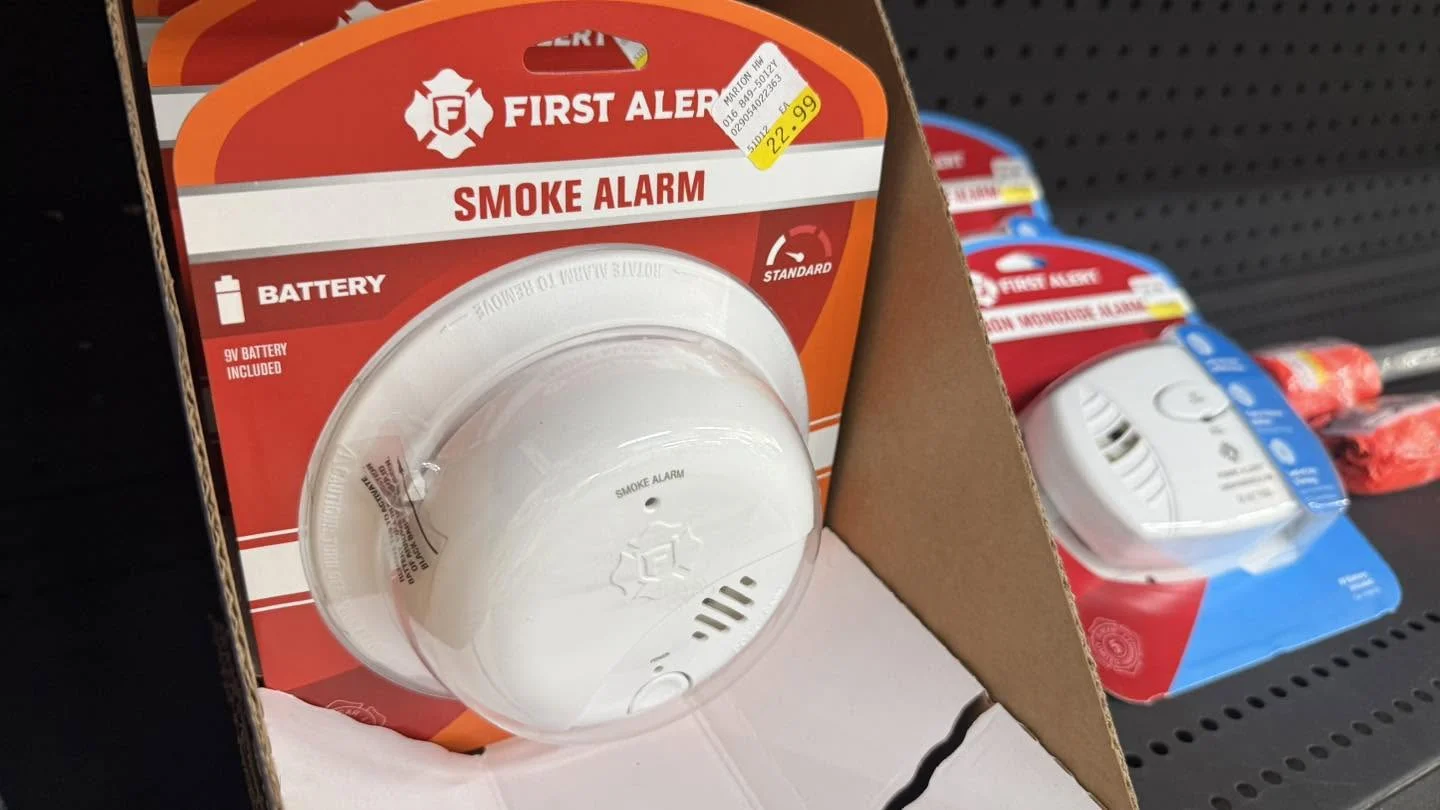
Shopping for the best Z-Wave smoke and CO detectors usually forces a choice between replacing functional alarms entirely or linking them to a central hub with an acoustic sensor. Homeowners seeking monitored protection often find that bridge hardware delivers reliable offsite alerts while preserving existing interconnected building codes.

Pros
- Listens specifically for standard UL smoke and CO sirens
- Single unit covers entire hardwired detector networks
- Three-year battery life requires minimal replacement
- Mounts easily within four inches of existing alarms
Cons
- Emergency dispatch requires a paid monitoring plan
- Requires separate listeners for non-hardwired detectors
- Cannot detect hazards without existing audible alarms
Acoustic Bridge Listeners Versus Direct Protocol Units
Direct protocol detectors join a mesh network straight out of the box, but replacing every existing ceiling unit can trigger building code complications. Many local ordinances mandate interconnected alarms that trigger simultaneously across all rooms during an emergency.
An audio listener provides an alternative pathway by monitoring the specific temporal patterns emitted by existing UL-certified alarms. When mounted nearby, a single bridge unit links an entire interconnected series into wider monitored home security systems without altering high-voltage line wiring.
| Device Type | Power Source | Network Role |
|---|---|---|
| Acoustic Bridge | Replaceable Lithium Battery | Relays Existing Alarms |
| Native Z-Wave | Sealed 10-Year Cell | Direct Hub Communication |
| Hardwired Native | AC Line Backup Battery | Interconnected Mesh Node |
Sensor Technology and False Trigger Prevention
Effective life safety systems rely on precise detection algorithms to distinguish nuisance kitchen smoke from rapid smoldering fires. Organizations like the National Fire Protection Association highlight the importance of dual-sensing mechanisms or modern photoelectric chambers to reduce unwanted chirping.
Carbon monoxide sensing requires electrochemical cells calibrated to detect toxic gas buildup before it reaches debilitating thresholds. Installing secondary listening hardware avoids tampering with these sensitive chambers because the unit relies strictly on audio frequencies rather than environmental air sampling.
Placement Clearance: Never position a listening sensor or smart detector closer than ten feet to cooking appliances or bathrooms with showers to avoid steam triggers and signal degradation.
Hardwired Interconnects and Power Resilience
Power failures present a serious obstacle for smart automation platforms during severe weather events. While standard wireless nodes depend entirely on local radio signals that can disconnect when main routers lose current, proper life safety systems maintain offline battery backups.
Expert Examined
From Ray Okafor

I keep seeing homeowners swap out hardwired smoke units for battery-only smart pucks, entirely losing their physical interconnect line. If a fire starts in the basement, you need upstairs bedroom sirens firing instantly, even if your Wi-Fi hub goes dark.
Read more about Ray OkaforMaintaining physical traveler wires ensures that every detector sounds throughout the residence regardless of network health. Exploring proper home safety detection options helps clarify whether an add-on device or a full system replacement fits your home footprint.
Pro Tip: Check the manufacturing date printed on your current ceiling alarms. If the units are older than ten years, replace the entire detector instead of pairing it with an audio listener.
Selecting the Right Alarm Integration Strategy
If your home already features code-compliant hardwired smoke and gas alarms, I would point you to the SimpliSafe Smoke & Carbon Monoxide Alarm Listener. Replacing a whole houseful of functional ceiling units creates unnecessary waste and costly electrical labor. This compact listening device mounts directly within four inches of your existing unit. It is finely tuned to recognize standardized audible T3 fire and T4 carbon monoxide patterns without altering your primary detectors.
I prefer this method for residences connected to broader home security systems where professional emergency dispatch matters during a real crisis. Because hardwired detectors sound in unison across the property, a single listener monitors the entire dwelling reliably. The device provides a three-year battery life and delivers real-time status updates through your smartphone app. For households seeking remote alerts without rewiring junction boxes, this hardware bridges traditional safety with smart monitoring.
The Bottom Line
The most common mistake buyers make is dismantling functional, hardwired interconnected smoke alarms just to introduce wireless smart alerts. Sacrificing synchronized physical sounding lines for hub compatibility leaves distant bedrooms vulnerable if an automation hub loses connection or freezes during an overnight emergency.
Before purchasing replacement hardware, check the backplate stamps on your existing detectors to confirm their installation dates. If they remain within their ten-year operating window, attach an acoustic bridge sensor to preserve your physical interconnects while gaining offsite emergency alerts.
FAQs
Do smart smoke and CO detectors work if the internet goes down?
Underwriters Laboratories requires all certified residential smoke and carbon monoxide alarms to sound their local sirens regardless of network availability. While push notifications and remote dispatch require an active network or cellular connection, the physical sounder will always alert occupants inside the residence.
Can an audio alarm listener monitor multiple detectors simultaneously?
Yes, provided your home uses interconnected hardwired alarms that activate together when one sensor detects smoke or gas. Because an alarm in any room triggers all connected sirens across the building, placing a single listener next to one hardwired detector effectively protects the entire home.
Where should smoke and carbon monoxide detectors be installed?
Safety standards mandate placing smoke detectors inside every bedroom, outside sleeping areas, and on every level of the residence including the basement. Carbon monoxide detectors should be installed on each floor, positioned near bedrooms and at least fifteen feet away from fuel-burning heating appliances.
How often do smart smoke and carbon monoxide detectors need replacement?
Smoke alarms must be replaced every ten years from their manufacture date, while carbon monoxide sensors often require replacement every five to seven years depending on manufacturer guidelines. Listening sensors follow similar schedules but require battery replacements every three to five years.
Sources
- National Fire Protection Association www.nfpa.org
- U.S. Consumer Product Safety Commission www.cpsc.gov
- UL Solutions Standards and Safety www.ul.com