
Installing the best smart home smoke and carbon monoxide detectors alerts your phone instantly whether you are asleep upstairs or away from home. The fundamental hardware split separates battery-powered units from models requiring 120-volt ceiling junction boxes. Knowing your home electrical layout determines which version keeps your property protected.
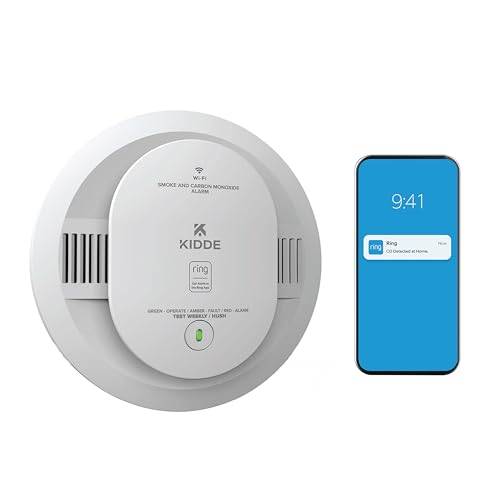
Pros
- Combined smoke and carbon monoxide detection with voice alerts
- Free mobile notifications via Ring app without subscription
- Runs on two included AA batteries with no wiring required
- Certified to UL 217 and FCC safety standards
Cons
- Alkaline AA batteries require periodic replacement over time
- Professional monitoring requires an optional paid subscription
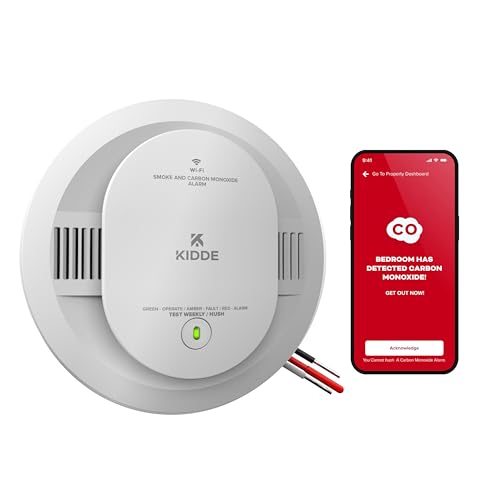
Pros
- Dual detection for smoke and carbon monoxide
- Remote silence control via mobile app
- Certified to UL 217 and UL 2034 standards
- Spoken voice alerts alongside audible alarm
Cons
- Hardwired installation requires existing home wiring
- Requires a 2.4 GHz Wi-Fi network connection

Pros
- Wire-free interconnect sounds every alarm across the home
- Detects both smoke and carbon monoxide
- Real-time alerts via Ring app without subscription
- UL 217 and FCC certified protection
Cons
- AA alkaline batteries require ongoing replacements
- Live monitoring service requires an optional paid subscription

Pros
- Voice alerts announce hazard type and room location
- Quick Connect plug eliminates rewiring for replacements
- Compatible with Google Nest Protect alarms
- Battery backup maintains operation during power outages
- Sends phone alerts through the First Alert app
Cons
- Requires existing AC electrical wiring for installation
- App notifications depend on First Alert app setup

Pros
- Voice warnings announce danger type and location
- Compatible with Google Nest Protect alarms
- Mobile alerts sent through First Alert app
- Precision Detection Technology reduces nuisance alarms
- Low-battery alerts eliminate midnight chirping
Cons
- Requires battery replacements over device lifespan
- Mobile notifications require First Alert app setup
Wiring Requirements and Power Architectures
Hardwired alarms connect directly to household circuits, using internal battery backups to sustain monitoring during utility blackouts. When replacing older units, checking the ceiling junction box reveals whether three-wire interconnect cables are present. Modern units from home safety and detection lines can bridge wirelessly even without legacy interconnect wiring.
Voltage Hazard: Always shut off the relevant breaker at the main electrical panel before disconnecting old wiring brackets from ceiling junction boxes.
Battery-powered options run on standard alkaline cells, simplifying installation across rentals and older properties. They eliminate electrical work entirely, though owners must replace depleted cells. Both power types deliver persistent sensing because carbon monoxide builds silently from cracked heat exchangers or blocked heating vents.
Safety Standards and False Alarm Reduction
Modern safety hardware relies on updated compliance standards published by UL Solutions to separate cooking smoke from genuine hazards. The UL 217 standard governs smoke detection thresholds, while UL 2034 defines response times for carbon monoxide accumulation. Meeting both benchmarks ensures an alarm ignores steam without delaying fire alerts.
Voice alerts add vital clarity when sensors trigger during the night. A spoken message naming the hazard gives occupants clear evacuation directions instead of leaving them disoriented by a piercing horn. Integrating these units with broader home security systems helps create automated responses where interior lights activate during emergencies.
Expert Examined
From Ray Okafor

I keep seeing homeowners disable ceiling alarms entirely because repeated cooking smoke triggers ear-splitting horns. Upgrading to sensors with multi-criteria algorithms or phone-based hush features prevents people from pulling the batteries out of frustration.
Read more about Ray Okafor| Power Format | Interconnect Type | Best Placement |
|---|---|---|
| Hardwired AC | Wire or Wireless | Hallways With Junctions |
| Battery Alkaline | Wireless RF Mesh | Renters And Retrofits |
| Battery Pack | Wi-Fi And Radio | Bedrooms Without Wiring |
Smart Ecosystems and Mobile Notifications
Smart alarms send push alerts directly to smartphones, bridging the gap between localized sounders and remote monitoring. Units designed for Ring ecosystems share app notifications alongside cameras, whereas First Alert models bridge with platforms like Google Nest. Many homeowners also connect detection hardware with top home security systems to streamline emergency notifications.
App Verification: Verify mobile alerts immediately after pairing each detector by running a diagnostic check from the manufacturer smartphone app.
Regulations from the National Fire Protection Association mandate working alarms inside every bedroom and on each level. Interconnected alarms ensure that when one sensor triggers, all connected horns sound simultaneously across the home. Wireless mesh networks achieve this unified warning without running physical communication wires.
Matching Detectors to Your Household Setup
If your home features ceiling junction boxes with three-wire connections, I would point you to the Kidde Hardwired Kidde App Enabled Smart Smoke. It draws household power while using AA backup batteries, and adding just one unit brings mobile alerts across all interconnected standard alarms in the house. Its companion app also lets you hush nuisance alarms directly from your phone.
For homes built around Ring ecosystems or rooms lacking ceiling wiring, I would install the Kidde Smart Smoke & CO Detector with Ring. It runs entirely on included AA batteries, detects low-level carbon monoxide rapidly, and ties directly into Ring mobile alerts with an optional professional monitoring add-on for continuous coverage.
If your household relies on Google hardware instead, I would select the First Alert SC5 Hardwire Smart Smoke & Carbon. It is compatible with Google Nest Protect installations, includes a quick connect plug that avoids rewiring, and provides spoken voice alerts that announce the danger and location clearly.
The Bottom Line
The most common mistake buyers make is purchasing smart alarms that fail to integrate with their ceiling wiring or smart home apps. Buying battery alarms when you have pre-wired junction boxes leaves reliable line voltage unused, while choosing an alarm outside your ecosystem creates unnecessary app clutter.
Inspect your current ceiling brackets today to confirm whether your home uses wiring harnesses or simple screw anchors before buying. Once your wiring type is confirmed, place interconnected dual-sensor smoke and carbon monoxide alarms on every floor to secure reliable warning coverage.
FAQs
Where should smart smoke and carbon monoxide detectors be installed?
Mount detectors on every level of your home, outside each sleeping area, and inside every bedroom. Keep units at least ten feet away from cooking appliances to prevent nuisance alerts from steam. Avoid placing alarms near drafty windows, air vents, or ceiling fans that can dilute incoming smoke particles.
Do smart smoke and carbon monoxide alarms still work if the Wi-Fi disconnects?
Yes, the physical detection sensors and 85-decibel sounders operate independently of any internet connection. If your home network goes offline, the units will still sound local horns and trigger interconnected alarms. However, you will not receive remote push notifications on your phone until the internet connection is restored.
What is the lifespan of a smart combination smoke and CO detector?
Most combination detectors must be replaced ten years from their manufacture date, which is stamped on the back of the chassis. Even if the internal electronics and Wi-Fi antennas function normally, the electrochemical carbon monoxide sensing element degrades over time and loses accuracy.
Can I mix battery and hardwired smart alarms in the same house?
Yes, provided they share the same wireless interconnect protocol to communicate across rooms. Hardwired units can occupy main hallways with junction boxes, while wire-free battery models protect bedrooms lacking ceiling wires. Verify that your chosen brand supports wireless interconnectivity between both wiring configurations before setting them up.
Sources
- National Fire Protection Association (NFPA) Smoke Alarm Standards www.nfpa.org
- UL Solutions Fire and Carbon Monoxide Safety Standards www.ul.com
- U.S. Consumer Product Safety Commission Carbon Monoxide Safety Guidelines www.cpsc.gov