
Installing the best smart smoke and carbon monoxide detectors protects properties from sudden fire hazards and invisible gas leaks. The core divide rests between existing 120-volt ceiling junction wiring and standalone battery installations. Homeowners upgrading older sensors must align their choice with their existing electrical infrastructure.
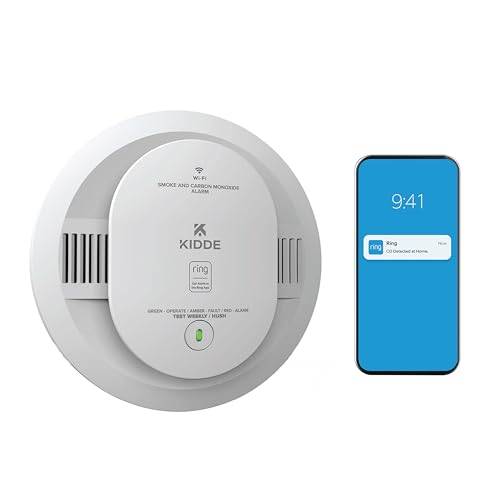
Pros
- Combined smoke and carbon monoxide detection with voice alerts
- Free mobile notifications via Ring app without subscription
- Runs on two included AA batteries with no wiring required
- Certified to UL 217 and FCC safety standards
Cons
- Alkaline AA batteries require periodic replacement over time
- Professional monitoring requires an optional paid subscription
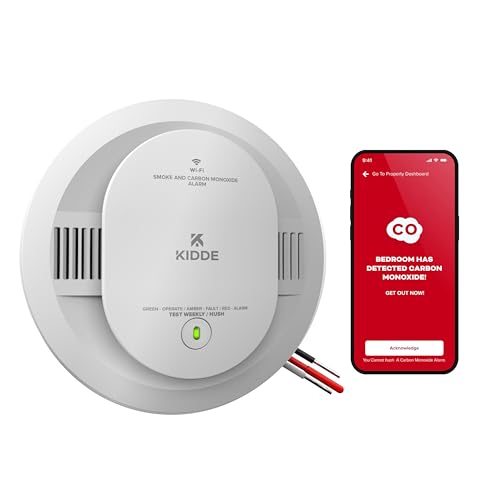
Pros
- Dual detection for smoke and carbon monoxide
- Remote silence control via mobile app
- Certified to UL 217 and UL 2034 standards
- Spoken voice alerts alongside audible alarm
Cons
- Hardwired installation requires existing home wiring
- Requires a 2.4 GHz Wi-Fi network connection

Pros
- Wire-free interconnect sounds every alarm across the home
- Detects both smoke and carbon monoxide
- Real-time alerts via Ring app without subscription
- UL 217 and FCC certified protection
Cons
- AA alkaline batteries require ongoing replacements
- Live monitoring service requires an optional paid subscription

Pros
- Voice alerts announce hazard type and room location
- Quick Connect plug eliminates rewiring for replacements
- Compatible with Google Nest Protect alarms
- Battery backup maintains operation during power outages
- Sends phone alerts through the First Alert app
Cons
- Requires existing AC electrical wiring for installation
- App notifications depend on First Alert app setup

Pros
- Voice warnings announce danger type and location
- Compatible with Google Nest Protect alarms
- Mobile alerts sent through First Alert app
- Precision Detection Technology reduces nuisance alarms
- Low-battery alerts eliminate midnight chirping
Cons
- Requires battery replacements over device lifespan
- Mobile notifications require First Alert app setup
Hardwired Line Voltage Versus Battery Replacements
Homes built under modern building codes feature prewired 120-volt ceiling junctions linked by an interconnected signal wire. Replacing existing alarms with hardwired models maintains continuous line power, reserving backup batteries strictly for blackouts. You can evaluate additional setups through home safety detection equipment to plan comprehensive residential safety.
Wiring Hazard: Always cut electrical power at the breaker panel before handling prewired junction boxes during installation.
Properties lacking ceiling wiring require standalone battery-operated units to avoid opening drywall. These alarms run entirely on internal cells, eliminating electrical work while providing mobile hazard alerts over your wireless network. Selecting the proper power style ensures your alarms remain active without unexpected battery drain.
App Ecosystems and Wireless Interconnect Protocols
Smart alarms communicate hazard alerts to phones, but their underlying platforms dictate daily usability. Some integrate into Ring setups for centralized notifications, while others link to proprietary apps. Checking that your chosen alarm operates alongside other integrated home security systems prevents confusing notification fragmentation across multiple mobile apps.
| Power Source | Smart Platform | Ideal Placement |
|---|---|---|
| Hardwired 120V | First Alert App | Modern prewired homes |
| Hardwired 120V | Kidde App | Prewired multi-room circuits |
| Battery 2-AA | Ring App | Older unwired residences |
Interconnectivity represents the primary life-safety function during a sudden hazard. The National Fire Protection Association advises interconnected coverage so that an event in the basement sounds alarms across every bedroom. Wireless interconnectivity allows battery devices to bridge that distance without running physical cables between rooms.
Expert Examined
From Ray Okafor

I keep seeing homeowners mix incompatible smart communication protocols across different floors, which breaks the wireless interconnected sirens during an emergency. Stick to one platform across the entire house so that an alert in the basement triggers the upstairs bedroom alarms instantly.
Read more about Ray OkaforSensor Standards and Nuisance Alarm Reduction
Modern dual-sensing alarms monitor combustion particulates and carbon monoxide gas within a single chassis. Enhanced photoelectric optical chambers track smoldering fires while specialized algorithms identify cooking vapor to prevent false alarms. This balance between sensitivity and stability ensures occupants do not disable units out of frustration.
Pro Tip: Place units at least ten feet from kitchen stoves to minimize nuisance alerts from cooking vapor.
Compliance with UL Solutions standards, including UL 217 for smoke and UL 2034 for carbon monoxide, ensures sensors respond within strict safety thresholds. Routine self-checks and automated phone alerts keep you updated on chamber health and battery status, as highlighted on our home security blog.
Matching Alarms to Your Living Space
For households with existing ceiling junction wiring, I would point you to the Kidde Hardwired Kidde App Enabled Smart Smoke. It complies with UL 217 and UL 2034 standards, uses AA battery backup, and enables remote false alarm hush controls directly from your phone. If you prefer spoken voice alerts identifying hazardous rooms during an active emergency, the First Alert SC5 Hardwire Smart Smoke & Carbon provides clear heads-up warnings alongside a quick connect plug that eliminates rewiring.
In homes or rental properties lacking prewired ceiling junction boxes, I recommend the Kidde Smart Smoke & CO Detector with Ring. It runs on two included AA alkaline batteries, integrates into the Ring app without monthly subscription fees, and offers wire-free interconnectivity with low-level carbon monoxide warnings. For secondary hallways needing only fire monitoring, the battery-powered Kidde Smart Smoke Detector with Ring, AA Battery provides rapid smoke detection and Alexa compatibility while keeping ongoing maintenance very simple.
The Bottom Line
The most common mistake buyers make is purchasing replacement alarms without checking their existing ceiling boxes for physical wires. Buying a battery alarm when local building codes require interconnected line-voltage units compromises your safety and can fail property inspections. Pairing compatible alarms with top home security systems ensures reliable whole-home coverage.
If you take only one initial step, unmount one current detector to inspect whether it connects to a plastic plug with wires or operates purely on batteries. Once you confirm the power format, choose units that support interconnectivity so every alarm sounds when danger occurs.
FAQs
Do smart smoke and carbon monoxide detectors still sound if the internet goes down?
Yes, all certified smart alarms function as conventional life-safety detectors even during an internet or Wi-Fi outage. The internal 85-decibel siren and physical interconnect lines will sound immediately when smoke or carbon monoxide is detected. However, you will not receive mobile app notifications until connectivity is restored.
How often do smart smoke and carbon monoxide detector sensors need replacement?
The entire alarm unit must be replaced every ten years from its manufacture date, as sensor components naturally degrade over time. Carbon monoxide sensing cells especially lose accuracy after a decade of continuous exposure to ambient air. You should check the stamped manufacturing date on the back of the chassis upon installation.
What is the difference between wireless interconnect and wired interconnect?
Wired interconnect uses a dedicated physical traveler wire running through your walls to trigger all alarms simultaneously when one detects danger. Wireless interconnect achieves the identical life-safety result using radio frequency signals between compatible units without requiring physical cable runs. Both methods alert sleeping occupants across every level of the home.
Can you hush a nuisance cooking alarm directly from your smartphone?
Certain smart smoke detectors allow you to silence temporary false alarms directly within their companion mobile application. To comply with safety regulations, this feature only works when smoke levels remain below emergency thresholds, typically caused by minor kitchen steam or burnt food. If dense smoke is detected, the physical alarm cannot be muted remotely.
Sources
- National Fire Protection Association www.nfpa.org
- UL Solutions www.ul.com
- U.S. Consumer Product Safety Commission www.cpsc.gov